Five Reasons to Eat Zucchini

Sophia Williams
✓
Diets Premium Expert • 23.10.2026
✓
Scientifically reviewed by a clinical dietitian:
This article has been peer-reviewed for adherence to IŻŻ, WHO, and PTGiP clinical nutritional standards.
| Diets Premium Expert Sophia Williams | min read 1 min | Scientifically reviewed by a clinical dietitian 23.10.2026 |

Smart Voice
•Listen to the article content live
0:00
/
0:00
Key Takeaways
Zucchini (Cucurbita pepo), or courgette, ranks among the most versatile and digestible vegetables in modern nutritional science. Its delicate flavor effortlessly enhances savory dishes, soups, stir-fries, and even health-conscious baking. Beyond culinary appeal, zucchini boasts an impressive spectrum of protective micronutrients, antioxidant carotenoids, and cellular hydration. Discover 5 evidence-based reasons to embrace zucchini in your daily diet.
Meal Plan
Want to apply these guidelines in your daily diet?
Our smart diet generator creates a tailored meal plan in 3 minutes based on the recommendations in this article.
Low Energy Density and Exceptional Weight Loss Support
Zucchini provides a modest 17 kcal per 100 grams, ranking among the least calorie-dense vegetables available. Its substantial water and fiber matrix facilitates volumetric meal preparation, promoting pronounced gastric fullness and effortless calorie restriction without deprivation.
Retinal Protection via Lutein and Zeaxanthin
Zucchini, especially its dark green skin, contains concentrated carotenoids: lutein and zeaxanthin. These bioaccumulate in the macular region of the human eye, acting as an internal optical filter against blue light and mitigating risks of age-related macular degeneration (AMD) and cataracts.
Electrolyte Balance and Blood Pressure Regulation
This squash features an exceptionally favorable potassium-to-sodium ratio. Dietary potassium promotes renal excretion of excess sodium, assisting in arterial blood pressure normalization, alleviating water retention, and supporting systemic cardiovascular function.
Gastrointestinal Well-Being and Gentle Digestion
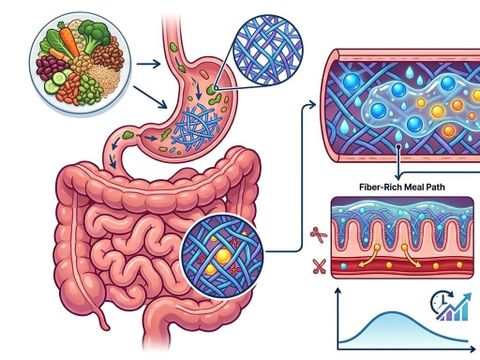
Zucchini is exceptionally gentle on the digestive tract, resisting adverse fermentative bloating. Its soluble dietary fiber hydrates the mucosal lining, promotes smooth colonic transit, and suits individuals with gastritis, acid reflux, or irritable bowel syndrome.
Culinary Versatility and Nutrient Preservation
Zucchini can be consumed raw as spiralized vegetable noodles, lightly grilled, steamed, or baked into savory dishes. Minimal cooking heat preserves its native ascorbic acid, B-complex vitamins, and folates, delivering vital micronutrients intact to the body.

Sophia Williams
✓Diets Premium Expert
Diets Premium team expert. Specializes in nutrition plans, strength sports, and training plans.
View Profile →