PRO
7 min read
Miniature Garden on the Balcony

Anna Schmidt
✓
Diets Premium Expert • 19.03.2026
✓
Scientifically reviewed by a clinical dietitian:
This article has been peer-reviewed for adherence to IŻŻ, WHO, and PTGiP clinical nutritional standards.
| Diets Premium Expert Anna Schmidt | min read 7 min | Scientifically reviewed by a clinical dietitian 19.03.2026 |

Smart Voice
•Listen to the article content live
0:00
/
0:00
Key Takeaways
There is nothing that can match the flavor of vegetables and fruits which have been cut directly from the bushes or the fragrant aroma of fresh herbs. It is no surprise then that so many individuals enthusiastically cultivate their own plants in their gardens. Unfortunately, not everyone has access to a piece of land that can be used for farming. But there is no cause for alarm! In order to enjoy a small yet personal garden, all that is required is a balcony or sunlit windowsills and a few pots. How does one establish such a garden on the balcony?
Meal Plan
Want to apply these guidelines in your daily diet?
Our smart diet generator creates a tailored meal plan in 3 minutes based on the recommendations in this article.
PRO Content
PRO
This article is professional premium content (PRO) provided in its entirety.
Where should one start growing plants on the balcony?
Prior to selecting the plant species to grow on your balcony garden, you need to determine the conditions at the location you intend to use for your garden. Some plants will thrive on a shaded balcony, while others will thrive on a sunny kitchen window. You can start with the seeds, but you need to choose the right time to plant, take care of the right conditions and exercise patience. A much easier and faster option is to obtain seedlings. It is best to buy them at a garden store or at a market, where they are usually of better quality than those in the markets. The next step is to choose a pot that is large enough for the plants to spread freely. It is possible to grow several plants in one pot or box, but then you need to carefully select the species. When preparing the substrate, you need to consider drainage and place keramzyt, fine gravel or stones at the bottom of the pot, so that excess water can drain away and the roots will not stand in water. Balcony plants should be watered in the early morning or evening, as watering during the day can lead to rapid evaporation. You can add natural fertilizer for green plants to the watering. Ensure that the plants receive adequate light.
Medicinal plants
The most popular and easiest to cultivate are herbs in pots. There are various species of plants available in the market, such as coriander, parsley, basil, thyme, rosemary, and lesser-known herbs like mint or mustard. It is worth considering which ones we actually use in the kitchen.
Basil
Prefers well-lit, wind-sheltered locations. Requires a moderate amount of water to maintain soil moisture. Leaves are torn from the tips of the shoots, resulting in intense plant growth. Once it begins to bloom, the flowers should be removed as the aroma of the leaves becomes less pronounced during this time. The leaves can be added to salads, sandwiches, pizzas, pairing excellently with tomato sauces. Delicious pesto can also be prepared from them.
This plant is a mint
This plant, being a mint, thrives particularly well in sunny or partially shaded areas. It necessitates a constant moisture of its substrate, as it is a plant with a rapid growth rate. Therefore, it should not be cultivated in the same pot with other plants, as it may curtail their development. Mint is incorporated into water, beverages, desserts, and oriental dishes such as tabbouleh.
Parsley and its Surrounding Culinary Landscape
Opt for sunny yet not overly hot locations. In the case of home cultivation, it's advisable to locate it in a cool environment. It requires constant access to water, with the soil remaining perpetually moist. Besides the well-known green parsley, there's also curly parsley with slightly smaller, serrated leaves. It's employed as an additive in soups, salads, and meat dishes. However, it should not be merely considered as a flavor enhancer, but as one of the main ingredients in meals. Similar to basil, pesto can be prepared from its leaves. Green parsley serves as a superb source of Vitamin C.
Coriander plantations
This aromatic herb resembles parsley but boasts an intense citrus-anise scent. It is widely used in Arabic, Indian, and Mexican cuisines, serving as a key ingredient in curry and guacamole. It prefers sunny, humid locations and requires regular removal of its flowers to allow for continuous plant growth.
A leaf from the evergreen laurel plant
Laurel is a perennial plant that can reach impressive sizes, but grows relatively slowly. It originates from the countries of the Mediterranean basin. It can be grown in pots on the balcony, but it is advisable to bring it indoors in winter, as it freezes at temperatures below -10°C. The height of the shrub can be regulated by pruning. The leaves can be frozen and used later, as they are much more aromatic than the dried ones available in stores. Laurel leaves are often used as a spice for meat dishes, soups, and marinades.
Thyme
It opts for warm, sunlit and moderately humid positions. The watering should occur only when the ground is dry. It is recognized not merely for its use in cooking but also for its health attributes. The extract from it is employed in cough medicines as well.
Bear's garlic
Until recently, this plant could only be found in the wild, but it is increasingly gaining popularity in cultivation. Currently, wild-growing bear's garlic is protected and cannot be harvested without the appropriate permissions. It is therefore worth considering its cultivation in one's own garden, as it is easy to maintain and requires primarily a shaded position. It has a characteristic garlic aroma and can be consumed in the form of both leaves and star-shaped white flowers, which can be used for decorating dishes.
Vegetable gardens on small spaces
Vegetable gardens do not necessarily require large spaces - many vegetables can even be grown on a balcony. Are there vegetables that can be cultivated in pots?
Strawberries and Tomatoes
– for cultivation on the balcony, low-growing varieties are suitable, such as small cocktail tomatoes. The balcony should be well-lit by the sun. Large containers with openings at the bottom are required. It is essential to ensure constant access to water, the soil should never be dry. The plants require supports, so they should be tied to high stakes.
Varieties of peppers
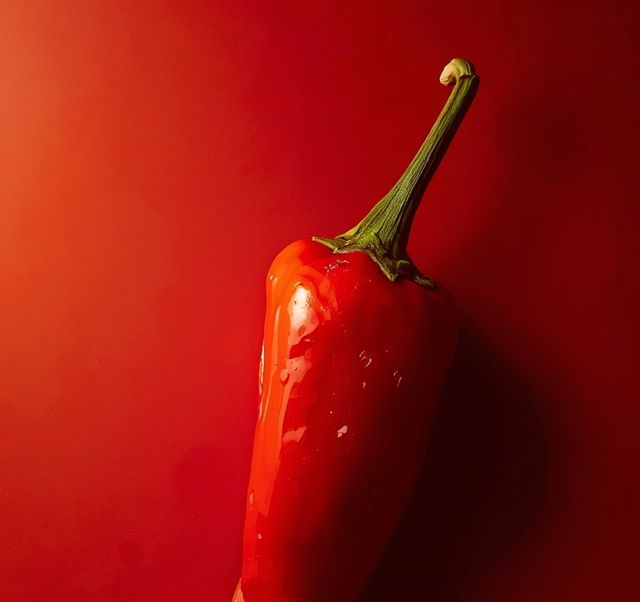
A range of pepper species can be cultivated in a pot, featuring large or smaller fruits, sweet or hot. Chili peppers are an excellent choice for this purpose and are the most frequently selected. Chili peppers require a warm, sunny spot (temperature should not drop below 15°C), well-protected from wind. It is crucial to ensure the plant is not overwatered, hence, holes and drainage are necessary in the pot.
„A shrub-like cucumber”
On balconies where the allocated space is limited, it is worth considering investing in cucumber varieties that resemble shrubs, which do not produce elongated vines as is the case with classic variants. Cucumbers should best be planted in large containers in sunny locations. Irrigation is of the utmost importance. On hot days, they may even require watering multiple times a day. Lack of water can lead to a bitter taste in cucumbers. Isolated species with long shoots are best grown vertically on supports such as a frame or balcony railing.
Cucumbers
It is typically grown in a pot to utilize its components. It is sufficient to place a healthy, unharmed bulb in the pot, ensuring half or three-quarters of it is beneath the soil surface. It requires consistent access to light and temperatures around 20°C. During watering, care must be taken not to directly irrigate the bulb. After about 3 weeks, one can admire the lush, green leaves of the bulb.
Rocket
Rocket flourishes optimally in locations with partial shade. Excessive sunlight may cause it to bloom prematurely, negatively impacting the taste of the leaves. The leaves can be harvested continuously, with frequent picking stimulating the plant to produce new leaves. The leaves are characterized by a pronounced, piquant flavor, making them ideal for salads, sandwiches, and soups.
Production of fruit and vegetables
When designing a balcony garden, it's worthwhile to contemplate planting fruits and vegetables, as their cultivation is not the easiest task, but the attained results are worth the effort.
Distinctive strawberry varieties with elongated stems
The optimal choice for a balcony are distinctive strawberry varieties with elongated stems such as climbing or hanging strawberry plants. These plants have a recurring bloom and fruit cycle, allowing us to enjoy harvests from late spring through to autumn. Strawberry plants require good sun exposure and abundant watering. They can be watered either on a saucer under the pot or directly into the ground, but in a way that the entire plants are not saturated. After the fruit cycle ends, the stems should be pruned. The plant will bloom and bear fruit for 2-3 years.
Garden strawberries
To relish their sweet flavor, you need not travel far into the forest. They can be planted on your own balcony or garden! Known as garden strawberries, these berries can be planted in May when the outdoor temperatures rise. Young plants require a hardening period of 5–7 days, meaning they should only be placed on the balcony during the day and gradually increase their time in the fresh air. These berries prefer a sunny location or partial shade. They are plants that require a great deal of water, so care should be taken to avoid drying out. Under favorable conditions, they can bear fruit for 3–4 years.
Shrubs with blueberries
The shrubs with blueberries should be located in a spot that is well-illuminated by the sun. Blueberries are highly demanding plants in terms of access to water, hence the need to maintain consistent soil moisture. The ground should exhibit an acidic pH. This can be attained by adding compost made from oak leaves or pine needles.
Citrus fruits and nuts
Citrus trees such as lemon, lime, mandarin, or orange maintain their green hue throughout the year. In Poland, they are predominantly cultivated in pots under climatic conditions. During winter, they should be kept indoors, while in summer, there is an opportunity to place them on the balcony. They are mainly treated as ornamental plants. The cultivation of plants that can later be utilized in the kitchen brings immense pleasure. Self-grown plants are not only delectable but also healthy! Their cultivation often requires only motivation and basic skills in care, not necessarily vast experience.

Anna Schmidt
✓Diets Premium Expert
Diets Premium team expert. Specializes in nutrition plans, strength sports, and training plans.
View Profile →