4 min read
Low-protein diet – indications, principles, recommendations

Lena Bauer
✓
Diets Premium Expert • 23.10.2026
✓
Scientifically reviewed by a clinical dietitian:
This article has been peer-reviewed for adherence to IŻŻ, WHO, and PTGiP clinical nutritional standards.
| Diets Premium Expert Lena Bauer | min read 4 min | Scientifically reviewed by a clinical dietitian 23.10.2026 |

Smart Voice
•Listen to the article content live
0:00
/
0:00
Key Takeaways
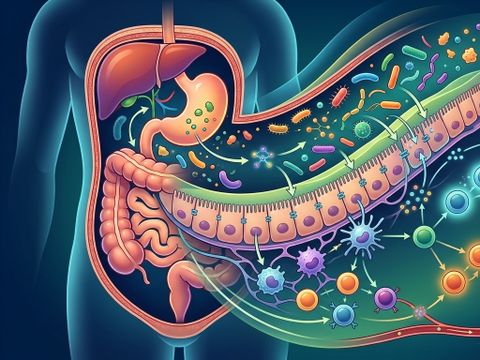
The kidneys and liver are our primary metabolic filtration systems. When chronic pathology compromises their functional capacity, dietary protein intake must be strictly calibrated. A clinically tailored low-protein diet protects residual nephrons and delays the need for renal replacement therapy.
Meal Plan
Want to apply these guidelines in your daily diet?
Our smart diet generator creates a tailored meal plan in 3 minutes based on the recommendations in this article.
Clinical indications for protein restriction
The primary clinical indications for dietary protein restriction include non-dialysis chronic kidney disease (CKD Stages 3 to 5), acute kidney injury, hepatic encephalopathy in end-stage cirrhosis, and rare inborn errors of amino acid metabolism (such as urea cycle disorders). The overarching therapeutic goal is reducing glomerular capillary pressure, blunting nitrogenous metabolite generation, and alleviating uremic symptoms.
Core nutritional rules and caloric calculation
Target protein intake is prescribed based on estimated glomerular filtration rate (eGFR), typically ranging from 0.55 to 0.70 g/kg ideal body weight. To guard against protein-energy wasting (PEW), energy density must be preserved through non-protein caloric sources, including heart-healthy oils and low-protein staple products. Regular dietary counseling ensures adequacy while avoiding malnutrition.
Permitted and restricted food categories
Permitted: White rice, potatoes, gluten-free and low-protein specialty flours, peeled zucchini, cucumbers, berries, olive oil, and measured portions of poultry or egg whites. Restricted/Prohibited: Smoked sausages, processed meats, aged cheeses, bone broths, high-potassium dried fruits, and processed food containing inorganic phosphorus additives.
Culinary strategies and preserving quality of life
Utilize fresh herbs (thyme, oregano, basil) instead of table salt to enhance flavor profiles. When potassium restriction is indicated, double-boil vegetables and discard the cooking water to leach out soluble potassium. Maintain appealing food presentation and adhere to routine biochemical screening for urea, creatinine, and electrolytes.

Lena Bauer
✓Diets Premium Expert
Diets Premium team expert. Specializes in nutrition plans, strength sports, and training plans.
View Profile →