PRO
CLINICAL KNOWLEDGE MAGAZINE
7 min read
Hypertension – The Optimal Diet

Tim Klein
✓
Diets Premium Medical Expert • 22.03.2026
✓
Scientifically reviewed by a clinical dietitian:
This article has been peer-reviewed for adherence to IŻŻ, WHO, and PTGiP clinical nutritional standards.
| CLINICAL KNOWLEDGE MAGAZINE CLINICAL KNOWLEDGE MAGAZINE | min read 7 min |
| Diets Premium Medical Expert Tim Klein | Scientifically reviewed by a clinical dietitian 22.03.2026 |

Smart Voice
•Listen to the article content live
0:00
/
0:00
Key Takeaways
Hypertension is the primary risk factor for many diseases, such as stroke, coronary artery disease, heart and kidney failure or hypertensive retinopathy. According to the World Health Organization, it is the leading cause of premature death in Europe and worldwide. It is estimated that about 30% of adults are unaware of having hypertension. Nevertheless, there are non-pharmacological methods to prevent or delay the disease, such as lifestyle modification (prevention and treatment of obesity) and increased physical activity. These measures should be recommended to all individuals suspected of hypertension and those with high normal blood pressure. So, what should one eat to prevent hypertension?
Meal Plan
Want to apply these guidelines in your daily diet?
Our smart diet generator creates a tailored meal plan in 3 minutes based on the recommendations in this article.
PRO Content
PRO
This article is professional premium content (PRO) provided in its entirety.
Elevated blood pressure - definition and classification
Elevated blood pressure is diagnosed when the measured values (in a doctor's office) for systolic blood pressure are ≥ 140 mmHg and/or for diastolic blood pressure are ≥ 90 mmHg. The following table presents a classification of elevated blood pressure, however, it should be noted that its categorization is only suitable for studies conducted in a doctor's office (A. Tykarski et al. 2019). When checking blood pressure at home, an insufficient value should be considered the average value from several measurements that exceed or equal 135 mmHg and/or 85 mmHg. Source: Our development based on PNT guidelines (A. Tykarski et al. 2019).
Is it truly hypertension? What does nutritional therapy involve?
The factors that increase the risk of hypertension include obesity, sodium intake (e.g. cooking salt and high-salt products such as salty snacks or high-processed foods), stress, and genetic factors. Environmental factors can also be listed in a more detailed manner – for example, excess body weight, low physical activity, unbalanced diet, smoking tobacco – as well as dietary factors, such as a high-salt diet, a diet low in fruits and vegetables, a high-energy diet, highly processed, and high-fat foods, especially those rich in saturated fatty acids (A. Tykarski et al. 2019; C. V. S. Ram 2014). Therefore, it is crucial to reduce overweight individuals, excessive salt and alcohol consumption, increase the intake of fruits and vegetables, and engage in regular physical activity. Additionally, it is recommended to quit smoking. It is essential to note that nutritional therapy should be based on a thorough nutritional and health history to be best prepared for the patient's needs.
Nutritional components, food and non-food items significantly impacting blood pressure levels
Numerous studies have demonstrated a causal relationship between salt intake and blood pressure levels (L. Huang et al. 2020). According to the recommendations of the Polish Society of Hypertension and the World Health Organization, the amount of salt in the diet of people with hypertension should not exceed 5 g/day, i.e., tablespoons of salt (≤ 2 g sodium). However, typical intake is 9–12 g, and the higher it is, the higher the blood pressure rises. This is particularly noticeable in people of African descent, older people, overweight patients, diabetics, those with metabolic syndrome, and those with chronic kidney disease. However, research suggests that despite patients' awareness of the harmful effects of salt on blood pressure, patients still exceed the recommended amount (M. Łazarczyk, K. Grabańska-Martyńska, M. Cymerys 2016). Therefore, it is recommended to use less salt in meals and to avoid salting during preparation. Particular attention should be paid to the composition of many products (80% of the salt comes from processed foods) to control sodium intake. Salt is also present in large quantities in spices such as maggi, soy sauce, marinades, and ready-made sauces. Products preserved with sodium compounds (e.g., sodium benzoate, sodium citrate, etc.) should also be avoided. Instead of salt, herbs such as basil, oregano, thyme, marjoram, or lovage can be included in the diet.
Potassium
A thorough examination demonstrated that the ingestion of potassium was linked to a reduction in high blood pressure in individuals with hypertension (N. J. Aburto et al. 2013). Decreases in systolic blood pressure were noticed both as a consequence of increased potassium intake via diet and through dietary supplements. Considering that potassium can be easily obtained from food, it is advised to consume products rich in this component, such as fresh fruits and vegetables or legume seeds.
Nutrients containing dietary fiber
Research conducted on more than 4,906 adult individuals with hypertension has demonstrated that increased intake of nutrients containing dietary fiber has a significant relationship with the reduction of overall and cardiovascular mortality (H. R. Zhang et al. 2022). Greater intake can improve the anticipated outcomes in elderly people with hypertension. Mechanisms of lowering cholesterol levels through the consumption of more nutrients containing dietary fiber are also observed (higher excretion of bile acids in stool, inhibition of cholesterol synthesis). Therefore, it is recommended to increase the intake of dietary fiber in the diet (approximately 35 g per day), especially for individuals consuming less nutrients containing dietary fiber than recommended.
Fruits and vegetables
The hypotensive (pressure-reducing) effects of fruits and vegetables can be attributed to the abundance of constituents they encompass: dietary fiber, potassium, antioxidants, and phytoestrogens. The assertion that fruits and vegetables should constitute the bedrock of daily diet is made for sound reasons.
Dairy products
Research proposes an association between the consumption of dairy products and the risk of hypertension. The probability of hypertension occurring decreased by 15% with an increase in dairy product intake (≤ 800 g/day) (L. Schwingshackl et al. 2017). Of course, products devoid of added sugar would be the more advisable choice.
Beverage containing alcohol
Restriction of alcohol consumption to 2030 g of pure ethanol per day in men, but not more than 140 g per week (e.g. two glasses of wine five times a week) and to 1020 g of pure ethanol daily but not more than 80 g/week in women (e.g. one glass of wine five times a week). Twenty grams of ethanol is contained in 500 milliliters of beer, 250 milliliters of wine, and 50 grams of vodka. Restriction of alcohol consumption also brings health benefits to individuals who consume it in small quantities.
Tobacco smoke inhalation
The inhalation of tobacco smoke contributes to the development of cardiovascular diseases and may diminish the effectiveness of hypotensive drugs. Each inhalation of smoke leads to a substantial increase in blood pressure and heart rate, which lasts for more than 15 minutes. Moreover, smoking enhances the risk of coronary heart disease, stroke, or peripheral artery disease. Inhaling secondhand smoke also has a harmful impact on health. Consequently, quitting smoking should be a fundamental part of hypertension therapy.
Hypertension and the DASH dietary regimen
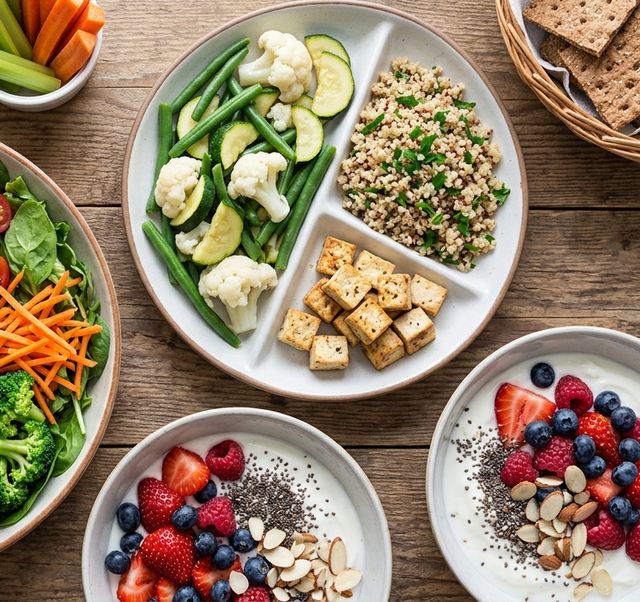
The DASH dietary regimen (Dietary approaches to stop hypertension) is the recommended diet for both hypertensive and healthy individuals. It is considered one of the healthiest dietary models. Research shows that the DASH diet reduces blood pressure in both hypertensive and non-hypertensive individuals, regardless of their baseline blood pressure level or ongoing anti-hypertension therapy (C. D. Filippou et al. 2020). This effect is particularly evident in young hypertensive individuals who consume large amounts of sodium. Interestingly, the blood pressure-lowering effect of the DASH diet is already evident after two weeks. This dietary pattern is rich in potassium, calcium, magnesium, fiber, and low in cholesterol (especially saturated fatty acids) and sodium. It involves limiting sodium intake along with the diet and consuming a high amount of fresh vegetables and fruits, low-fat dairy products, whole grains, legumes, nuts, lean meat, fish, and poultry.
Elevated blood pressure and Mediterranean diet
The Mediterranean diet is also recognized as one of the healthiest worldwide. Its effectiveness in preventing civilization diseases and hypertension is confirmed by numerous scientific studies (M. Ch. Mentella et al., 2019; R. J. Widmer et al., 2015). This diet is based on the dietary pattern observed in the countries surrounding the Mediterranean. It recommends a high intake of olive oil, vegetables and fruits, whole grain products and legumes; moderate intake of dairy products, fish and red wine (optional), and low intake of animal fat, meat and meat products.
Non-conventional dietary patterns for the treatment of hypertension
A lower incidence of hypertension is noticeable in individuals adhering to vegan diets as compared to those consuming traditional products (Y. Yokoyama, K. Nishmura, N. D. Barnard 2014).
Garlic Bulb
Scientific research indicates that consumption of the garlic bulb is associated with a decreased risk of cardiovascular disorders, including hypertension (K. Ried 2016).
Cocoa Plant
Upon ingestion of products containing a high amount of cocoa, a minor yet statistically significant hypotensive effect (2 mmHg) was observed. This effect is ascribed to the elevated flavonoid concentration in cocoa, as per the research of K. Ried, P. Fakler, and N. P. Stocks in 2017.
Brief Summary
In accordance with the guidelines of the Polish Society for Hypertension, up to 40% of Poles are uninformed about their own blood pressure values (A. Tykarski et al. 2019). Consequently, it is recommended that blood pressure measurements should be carried out at least once a year, regardless of prior results. Changes in lifestyle, particularly dietary alterations, constitute a key element of effective prevention and treatment of hypertension, even during the course of pharmacological therapy.
Tim Klein
Diets Premium Medical Expert
Member of the Diets Premium clinical editorial board. Specializes in medical diet therapy, metabolic health, and nutritional planning.
View Profile →