Healthy Easter Meals – A Practical Guide to Mindful Feasting & Light Recipes

| Diets Premium Expert Lena Bauer | min read 7 min | Scientifically reviewed by a clinical dietitian 23.10.2026 |
Smart Voice
•Listen to the article content live
Easter celebrations traditionally revolve around generous family feasts. Classic dishes frequently feature heavy mayonnaises, cured meats, and refined sugars. Through mindful culinary swaps and balanced habits, you can celebrate fully while supporting digestion and preserving your nutritional momentum.
Want to apply these guidelines in your daily diet?
Our smart diet generator creates a tailored meal plan in 3 minutes based on the recommendations in this article.
This article is professional premium content (PRO) provided in its entirety.
Psychology of the Holiday Feast and Mindful Eating
Holidays should cultivate joy and connection rather than food anxiety or guilt-driven binges. Nutritional psychology demonstrates that rigid 'all-or-nothing' mindsets trigger cyclical overeating.
Key mindful strategies:
- Mindful eating: Eat slowly, chew thoroughly, and savor distinct flavor profiles. Satiety hormones such as leptin and peptide YY require 15–20 minutes to register fullness.
- Avoid pre-meal starvation: Skipping earlier meals sets the stage for rapid overeating; a light, protein-anchored breakfast maintains glucose stability.
- Hydration discipline: Drink still mineral water before meals and limit liquid calorie bombs like sweetened beverages.
Healthier Swaps for Traditional Holiday Dishes
Subtle culinary modifications dramatically lighten traditional recipes without sacrificing festive authenticity:
- Reimagining mayonnaise: Blend non-fat Greek yogurt with stone-ground mustard, or whip ripe avocados with lime juice for creamy textures.
- Lean charcuterie: Replace fatty processed sausages with roasted turkey breast or homemade lean poultry terrines.
- Lighter traditional sour rye soup (Żurek): Simmer over a rich mirepoix broth, thickening with probiotic sourdough rather than heavy cream.
- Abundant fresh spring greens: Pair dense platters with peppery watercress, radishes, baby spinach, and fresh garden chives.
Recipes: Stuffed Eggs with Avocado & Baked Vegetable Pâté
Two festive, nutrient-dense recipes tailored for balanced spring celebrations:
Stuffed Eggs with Creamy Avocado & Garden Herbs
Ingredients (serves 4): 4 hard-boiled eggs, 1 ripe Hass avocado, 1 tsp fresh lemon juice, 1 tbsp chopped chives, fresh garden cress, sea salt, cracked black pepper.
Preparation: Halve the eggs and scoop yolks into a bowl. Mash yolks with avocado flesh, lemon juice, salt, and pepper until velvety smooth. Pipe into egg whites, garnishing with fresh cress. Supplies high-grade choline, lutein, and healthy monounsaturated fats.
Savory Baked Lentil & Root Vegetable Pâté
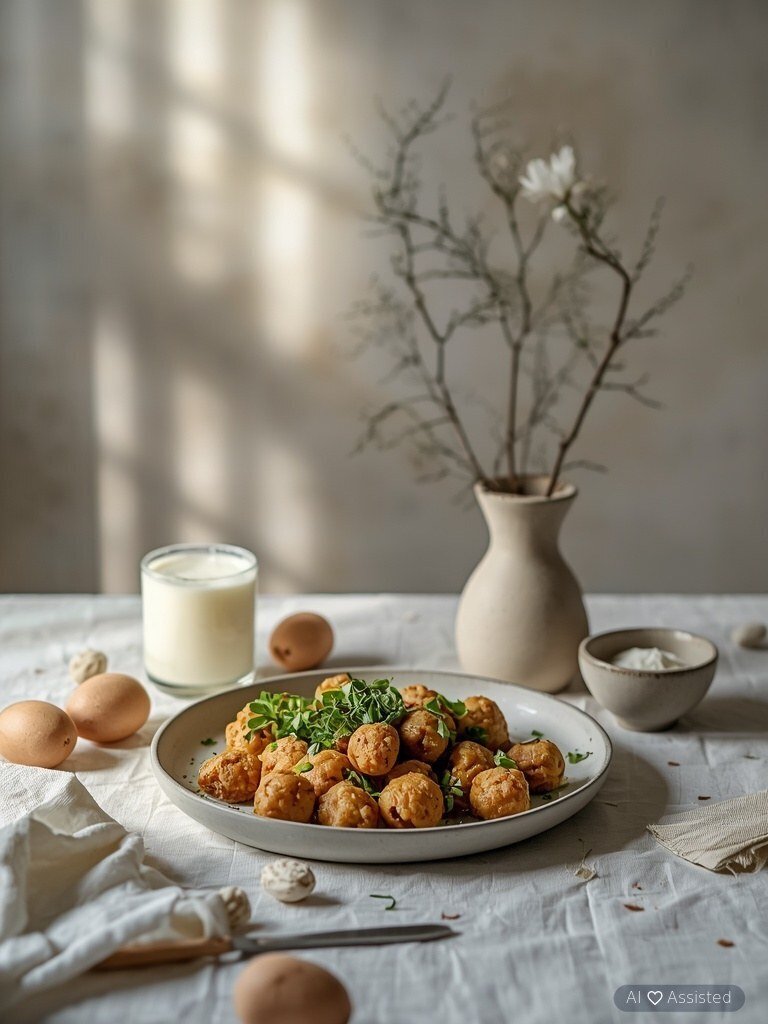
Ingredients: 250 g red lentils, 2 carrots, 1 parsnip, 1 onion, 2 garlic cloves, 2 eggs, 3 tbsp ground rolled oats, dried marjoram, ground nutmeg.
Preparation: Simmer lentils until tender. Grate and sauté root vegetables until aromatic. Combine with lentils, pulse gently, incorporate eggs and herbs, and bake in a loaf tin at 180°C (350°F) for 45 minutes. Slice chilled as a wholesome centerpiece.
Post-Holiday Recovery and Digestive Care
Following celebratory meals, extreme 'detox' plans or fasts are medically counterproductive. Healthy hepatic and renal systems process metabolic byproducts efficiently on their own.
Constructive reset steps:
- Herbal digestive support: Warm infusions of peppermint, fennel seed, and chamomile relieve bloating and encourage bile production.
- Postprandial movement: A 45-minute brisk walk enhances gastrointestinal motility and reduces glucose variability.
- Restore baseline rhythm: Return promptly to your standard, vegetable-rich routine without skipping meals out of guilt.

Lena Bauer
✓Diets Premium Expert
Diets Premium team expert. Specializes in nutrition plans, strength sports, and training plans.
View Profile →