PRO
8 min read
Guide to Guilt-free Fat Thursday

Emilia Szymańska
✓
Diets Premium Expert • 23.03.2026
✓
Scientifically reviewed by a clinical dietitian:
This article has been peer-reviewed for adherence to IŻŻ, WHO, and PTGiP clinical nutritional standards.
| Diets Premium Expert Emilia Szymańska | min read 8 min | Scientifically reviewed by a clinical dietitian 23.03.2026 |

Smart Voice
•Listen to the article content live
0:00
/
0:00
Key Takeaways
Fat Thursday is a holiday that marks the start of the last week of Carnival and in Christian beliefs heralds the beginning of Lent. It is usually associated with a massive amount of fatty and sweet treats, primarily doughnuts and cookies. For many people, it's just another day, but for those who strive for a healthy lifestyle and appropriate body weight, it becomes a significant challenge. Social media is filled with various infographics displaying the number of calories in each sweet and ways to burn them, which can lead to substantial stress related to maintaining an ideal diet. However, should this one day be so burdened with guilt?
Meal Plan
Want to apply these guidelines in your daily diet?
Our smart diet generator creates a tailored meal plan in 3 minutes based on the recommendations in this article.
PRO Content
PRO
This article is professional premium content (PRO) provided in its entirety.
The psychological facet of nutrition
Psychodietetics is a science that combines dietary knowledge with psychological knowledge to promote mindful and healthy lifestyles. In this approach, nutrition is much more than just providing calories and nutrients to the body. It is an integral part of daily life that affects not only the body, but also emotions, habits, self-acceptance, and even attitudes among people. One of the main pillars of psychodietetics is mindful eating, which involves fully focusing on the process of consuming meals. This is not just about recognizing flavors and textures, but also about being aware of hunger and satiety signals from the body. Mindful eating can help avoid overeating or eating under stress. Psychodietics also promotes a more balanced approach to eating and views food in the context of emotions and psychological needs. Food not only affects emotions and overall well-being, but emotions also have a significant impact on food choices and the way meals are consumed. Psychodietics helps patients understand these connections and develop healthy coping mechanisms in which food is no longer a form of compensation. Psychodietics also focuses on developing healthy eating habits, not only through the selection of appropriate nutrients and proper meal balancing, but also through developing flexibility in the diet.
Sustainable dimension of tradition
A sustainable dimension of tradition in the context of fat Thursday is a crucial factor that combines the joy of participating in this holiday with a concern for a healthy lifestyle. Psychodietetics specialists encourage a flexible approach that allows us to fully immerse ourselves in the flavors of traditional dishes while respecting individual health goals. Participation in the tradition doesn't have to mean eating large amounts of food unthinkingly. Another important aspect of a thoughtful approach to eating fat Thursday (and not only) is identifying what brings us the most joy and what tastes best. It can be our favorite dishes, savory snacks, or other traditional delights. Focusing on these products allows for a fuller experience of tradition and prevents overeating. Additionally, discarding restrictive thinking and adhering to the remaining rules of healthy eating on this day can contribute to enjoying food without guilt.
How to not lose your mind on a Fat Thursday? A guide
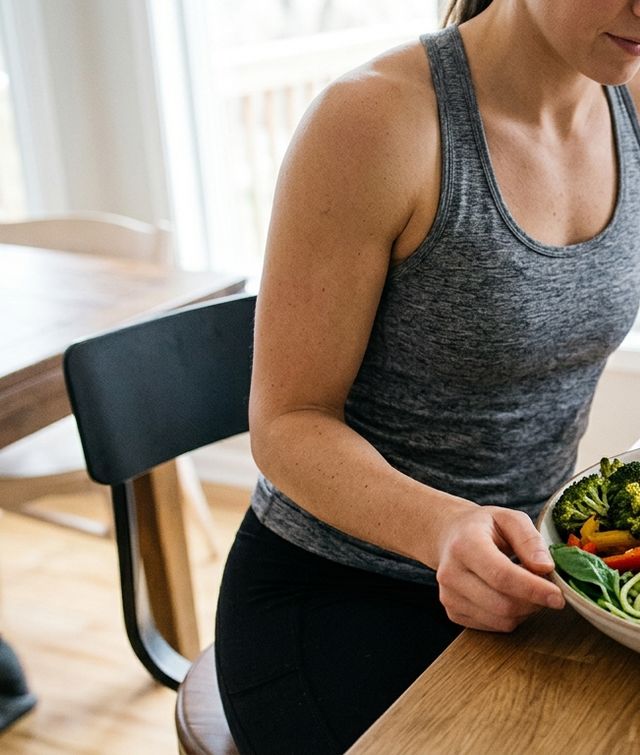
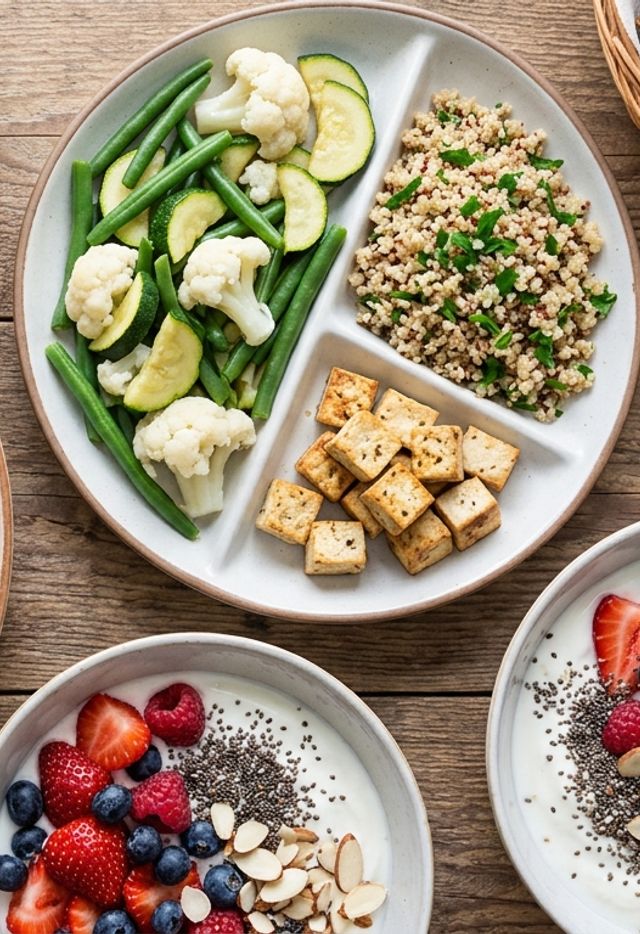
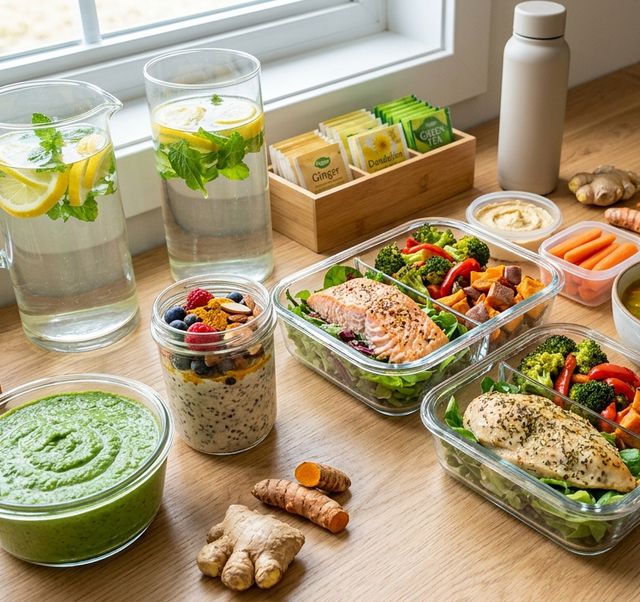
To avoid jumping on doughnuts and other sweets and eating them in excess, try to maintain a healthy and balanced diet throughout the day. Take care of the variety of colors on the plate by adding many types of vegetables and fruits to your meals. They are particularly rich in vitamins, minerals, fiber and antioxidants and thus support the health of your whole body. Consider also replacing whole grains instead of their white, wheat counterparts. This will not only provide the body with additional nutrients, but also increase its resistance to fluctuations in glucose levels. Similarly, replacing processed fats (such as plant fats, avocado, nuts, seafood) and proteins (which you can find in meat, dairy, fish, legumes and their products) can also help. Try to avoid highly processed products that contain large amounts of sugar, salt and trans fats, which do not have a positive effect on health.
Integrate regular physical exercise
Remember, movement is equally crucial. Plan a walk or exercise session that will not only burn excess calories but also improve overall wellness by reducing stress and elevating mood. This is especially important during periods when the diet is being adjusted (D. E. R. Warburton, S. S. D. Bredin 2017). Consider also involving your loved ones in joint activities such as a walk or a game of squash.
Before swallowing the next doughnut, consider
Before consuming the next doughnut, it's worth considering a few matters. Do you genuinely desire it due to a feeling of nervousness or merely because it's on the table? In what way will the consumption of the next one impact my well-being? Am I truly hungry? Is the next doughnut really what I need right now? Will the third doughnut taste better than the first? Why do I truly crave another doughnut? The answers to these questions will probably reveal that the need has been fulfilled after a few bites, and if you're reaching for more, it's due to emotional difficulties, stress, or boredom. If you calmly contemplate the subject of ingesting larger quantities of food, you give yourself the opportunity to approach eating consciously and better understand your genuine necessities.
The mindful consumer in action
Attempt to focus on each morsel, savor the taste, and pay attention to details – scent, aroma, texture, or consistency – this not only enhances the enjoyment of eating, but also allows you to better comprehend your culinary preferences.
On the subsequent day, revert to your customary practices
Do not permit a Thursday of indulgence to transform into a week of indulgence. Once the holidays have ended, revert to your usual dietary and fitness practices. Remember not to penalize yourself with a stringent diet and exhausting workouts aimed at burning off surplus calories. A solitary deviation will not undo all your efforts and cause you to suddenly gain several pounds. Even if the scale shows a higher reading, this does not signify an increase in your body's fat content. It is likely merely the contents of the intestines and water retained in your body. Your body mass should return to normal within a few days.
Consider selecting healthier alternatives to traditional sweets
If you have the time and desire, you can prepare doughnuts or faworki at home. Try modifying them – instead of wheat flour, add whole grain flour, replace sugar with xylitol, and bake the sweets rather than frying them in deep fat. With such changes, you can enjoy traditional snacks while providing your body with nutrients and reducing the amount of unhealthy ingredients. However, remember that one or two simple doughnuts will not have a negative impact on your health, so you don't need to punish yourself for consuming them.
Healthier recipes for sweet treats on Fat Thursday
Ingredients (12 pieces): - 200 g of flour (1 1⁄4 cups), - 125 ml of clone syrup (12 1⁄2 tablespoons), - 55 g of dissolved coconut oil (1⁄4 cup), - 250 ml of any milk or vegetable drink (cup), - 200 g chocolate (2 tablets). Preparation: 1. Preheat the oven to 180°C and grease the donut form. 2. Sift the flour into a large bowl and add the remaining ingredients (except the chocolate) and mix until a thick mixture is obtained. 3. Fill the form with the prepared dough. 4. Bake the donuts for 12-17 minutes or until a dry toothpick comes out. 5. Remove the donuts from the oven and let them cool for about 10 minutes before removing them from the form and placing them on a grate. 6. Once the donuts have cooled completely, cover them with melted chocolate prepared in a water bath. Nutritional values (per piece): - energy content: 236 kcal, - protein: 4.2 g, - fat: 10.6 g, - carbohydrates: 31 g.
Protein miniature pretzels
Ingredients (15 pieces): – 250 g of semi-fat curd (packaging), – 160 g of flour (glass), – 60 g of erythritol (6 teaspoons) + 40 g (4 teaspoons) for powder preparation, – 50 g of eggs (piece), – 5 g of baking powder (teaspoon), – a pinch of salt, – a few drops of vanilla flavor. Preparation: 1. Preheat the oven to 180°C. 2. In a bowl, combine the curd, egg, 6 teaspoons of erythritol, vanilla flavor, and salt. Use a mixer to blend the ingredients. 3. Add baking powder and sifted flour to the curd mixture. Knead a uniform, soft dough by hand. 4. Shape round shapes and arrange them on a baking tray lined with baking paper. Maintain a small distance between them. 5. Bake them for 20-25 minutes. 6. Prepare the powder from 4 teaspoons of erythritol and dust it over the baked, cooled miniature pretzels. Nutritional values (piece): – Energy content: 61 kcal, – Protein: 4.3 g, – Fat: 1.1 g, – Carbohydrates: 8.5 g.
Baked waffles (Faworki)
Required ingredients (around 35 pieces): - 160 g of flour (one cup), - 20 g of erythritol powder (2 tablespoons) + 40 g (4 tablespoons) for sprinkling, - 40 g of butter (1/5 of a cube), - 20 g of egg yolks (2 pieces), - 75 g of Greek yogurt (around 1/2 of a small package), - a pinch of salt. Preparation steps: 1. Preheat the oven to 175°C, top heat function. 2. In a bowl, combine flour, yogurt, cold butter, egg yolks, 2 tablespoons of erythritol powder, and a pinch of salt. Knead the dough by hand. If it's too crumbly, add another tablespoon of Greek yogurt. 3. Wrap the dough in plastic wrap and refrigerate for about 30 minutes. 4. Afterward, roll out the dough very thinly and cut it into strips (about 2.5 cm wide and 10 cm long). Make a cut in the middle, grab one end, pull it through the hole, and fold it to the center. Repeat with the rest of the dough. 5. Bake the faworki on a baking sheet lined with parchment paper for about 10 minutes (until golden brown). Let cool and sprinkle with erythritol powder before serving. Nutritional values (per piece): - energy value: 30 kcal, - protein: 0,7 g, - fat: 1,5 g, - carbohydrates: 3,5 g.
Emilia Szymańska
Diets Premium Expert
Diets Premium team expert. Specializes in nutrition plans, strength sports, and training plans.
View Profile →