CLINICAL KNOWLEDGE MAGAZINE
2 min read
Effective methods to tackle fatigue and headaches

Tomasz Jankowski
✓
Diets Premium Medical Expert • 23.10.2026
✓
Scientifically reviewed by a clinical dietitian:
This article has been peer-reviewed for adherence to IŻŻ, WHO, and PTGiP clinical nutritional standards.
| CLINICAL KNOWLEDGE MAGAZINE CLINICAL KNOWLEDGE MAGAZINE | min read 2 min |
| Diets Premium Medical Expert Tomasz Jankowski | Scientifically reviewed by a clinical dietitian 23.10.2026 |

Smart Voice
•Listen to the article content live
0:00
/
0:00
Key Takeaways
Headaches coupled with chronic fatigue represent some of the most pervasive complaints in contemporary society, frequently stemming from unremitting stress, fragmented sleep architecture, systemic dehydration, and prolonged postural strain. Deciphering their underlying physiological mechanisms and deploying targeted, non-pharmacological interventions enables individuals to sustainably restore cognitive vigor, optimize daily productivity, and avoid the risks associated with medication-overuse headaches.
Meal Plan
Want to apply these guidelines in your daily diet?
Our smart diet generator creates a tailored meal plan in 3 minutes based on the recommendations in this article.
Debilitating throbbing headaches: evidence-based approaches to prevention and relief
Cephalgic discomfort localized in the cranial region may arise from a multitude of etiologic factors; thus, prior to reaching for yet another package of analgesic medications, it is prudent to identify and mitigate those daily elements that exacerbate the severity and frequency of this debilitating symptom. Among the most significant precipitating factors are: **chronic stress**—this condition triggers excessive secretion of cortisol, a hormone responsible for increasing muscular tension, accelerating cardiac rhythm, and elevating arterial blood pressure, all of which collectively intensify the perceived discomfort. Moreover, stress accompanies us nearly incessantly, particularly in occupational settings where its levels rarely subside. **Sleep deprivation**—a persistent deficiency in restorative sleep disrupts the body’s homeostatic balance, manifesting as fatigue in the early morning hours and recurrent episodes of headache in the evening. **Non-ergonomic work conditions**—improper positioning of light sources, inadequate distance from computer screens, or prolonged maintenance of an unnatural posture during sedentary work contribute to ocular and cervical muscle strain, which in turn generates radiating pain across the temporal and frontal regions.
Fluid-electrolyte homeostasis and reactive hypoglycemia as hidden headache triggers
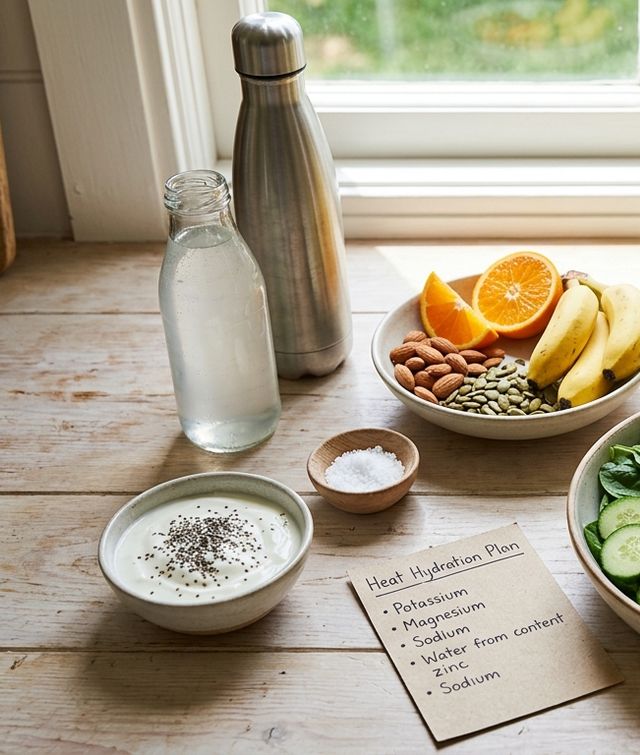
The profound influence of basic metabolic and fluid balance on central nervous system function is frequently underestimated. Given that brain tissue comprises approximately 75–80% water, it exhibits exceptional sensitivity to even modest reductions in intravascular and extracellular fluid volumes. Subclinical hypohydration of merely 1–2% body mass leads to transient glial and neuronal volume shrinkage, exerting mechanical traction on nociceptive receptors within the dural membranes and precipitating dull, generalized cranial discomfort alongside lethargy. Furthermore, imbalances in vital intracellular and extracellular electrolytes—particularly magnesium, potassium, and sodium—disrupt neuronal membrane stability and provoke cerebral vasoconstriction. Concurrently, postprandial glycemic volatility acts as a prominent metabolic trigger. Diets dominated by refined carbohydrates induce acute hyperinsulinemia, promptly followed by reactive hypoglycemia. Deprived of their obligate energy substrate, cerebral neurons enter acute metabolic distress, manifesting as sudden fatigue, cognitive clouding, and progressive cephalalgia. Establishing a baseline hydration protocol (30–35 ml per kg of body weight daily) alongside balanced meals featuring low glycemic loads and adequate soluble fiber constitutes a cornerstone of preventive care.
Tension-type headaches and workplace ergonomics: Relieving muscular strain and chronic stress
Tension-type headaches (TTH) account for more than 70% of all diagnosed non-migraine headaches, with their pathophysiological root lying in sustained hypertonicity of the suboccipital, cervical, and pericranial musculature. Protracted seated screen labor predisposes individuals to forward head posture and upper crossed syndrome. Biomechanical assessments demonstrate that for every inch the cervical spine migrates anteriorly, the effective gravitational load sustained by the upper trapezius and levator scapulae increases exponentially, fostering ischemic myofascial trigger points that refer pain directly into the temples, frontal regions, and retro-orbital spaces. Concurrently, psychological distress drives autonomic sympathetic arousal, prompting unconscious masseter clenching (bruxism) and dysfunctional apical respiration. Comprehensive resolution necessitates targeted ergonomic refinement: eye-level display positioning, lumbar support optimization, and dedicated 45-minute micro-intervals. Integrating myofascial self-release, cervical retraction drills, and diaphragmatic breathing activates the parasympathetic vagal tone, dramatically alleviating muscular ischemia and cephalic discomfort.
Anti-inflammatory nutrition and phytotherapy in preventing recurrent fatigue and migraines
A critical long-term strategy for terminating cyclical fatigue and recurrent cephalalgia involves targeted anti-inflammatory nutrition and evidence-based nutraceuticals. Low-grade systemic inflammation lowers the central sensory threshold, sensitizing the trigeminal-vascular complex and predisposing the brain to hyper-reactivity. Dietary refinement requires identifying and moderating vasoactive dietary triggers, including dietary biogenic amines (aged cheeses, cured meats high in tyramine and histamine), artificial additives, and excess monosodium glutamate. Substantial clinical evidence supports targeted neuroprotective compounds: highly bioavailable magnesium forms (such as bisglycinate or malate), which modulate NMDA receptor excitability and mitigate cortical spreading depression; high-dose riboflavin (vitamin B2), essential for mitochondrial electron transport chain efficiency; and coenzyme Q10. In herbal medicine, standardized extracts of ginger rhizome (Zingiber officinale) and feverfew (Tanacetum parthenium) exert robust anti-inflammatory and vascular-stabilizing properties, providing a clinically verified, holistic protocol for enduring relief.
Tomasz Jankowski
Diets Premium Medical Expert
Member of the Diets Premium clinical editorial board. Specializes in medical diet therapy, metabolic health, and nutritional planning.
View Profile →