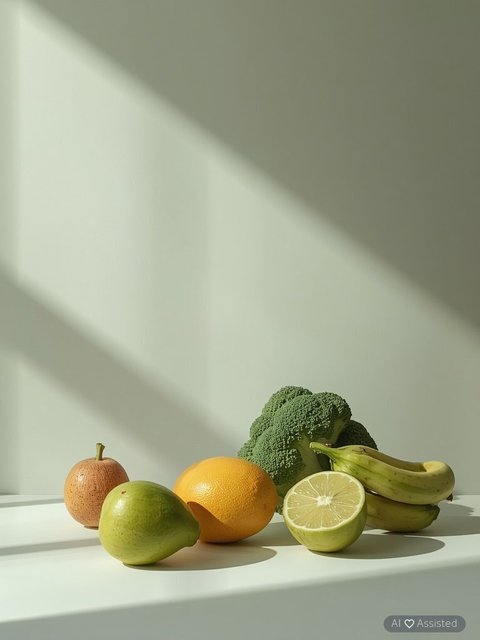
"Cross vegetables - types… Cross vegetables and thyroid insufficiency"

Lena Bauer
Lena Bauer ✓
Diets Premium Expert • 24.09.2026
✓
Scientifically reviewed by a clinical dietitian: This article has been peer-reviewed for adherence to IŻŻ, WHO, and PTGiP clinical nutritional standards.
Diets Premium Expert Lena Bauer min read 2 min Scientifically reviewed by a clinical dietitian 24.09.2026
"Cross vegetables - types… Cross vegetables and thyroid insufficiency"

Smart Voice

•

Listen to the article content live

0:00 / 0:00
Key Takeaways
,  which implies that incorporating these foods in your diet contributes to improving the health of the body, but are all vegetables healthy and can you eat them without worry? Read the article and discover what cruciferous vegetables are! And everywhere, you can see or hear advertisements claiming that you should eat five portions of fruit or vegetables a day.
Meal Plan

Want to apply these guidelines in your daily diet?

Our smart diet generator creates a tailored meal plan in 3 minutes based on the recommendations in this article.

Cruciferous Vegetables: Nutritional Profile and Health Benefits of the Brassica Family

Cruciferous vegetables, scientifically classified under the Brassicaceae family, represent a group of nutrient-dense plant species that include broccoli, cauliflower, kale, Brussels sprouts, various cabbage varieties (green, red, Savoy), radishes, turnips, rapeseed, Swiss chard, mustard greens, arugula (rocket), and horseradish. These vegetables are distinguished by their high content of complete plant-based protein, dietary fiber, and a comprehensive vitamin profile—including vitamin C (critical for immune function), B vitamins (essential for metabolic processes), vitamin K (vital for blood coagulation), vitamin A (important for vision), and folic acid (particularly crucial during pregnancy). Additionally, they provide significant amounts of minerals such as potassium (which helps regulate blood pressure) and calcium. A defining characteristic of cruciferous vegetables is their rich concentration of glucosinolates—sulfur-containing phytochemicals that, upon hydrolysis, exhibit potent antioxidant, anticancer, and detoxifying properties. Extensive research confirms that consistent consumption of these vegetables is associated with a reduced risk of gastrointestinal cancers (including stomach and colorectal cancers), respiratory tract malignancies (such as lung and laryngeal cancers), and reproductive organ cancers (prostate, uterine, and breast cancers). Beyond their oncoprotective effects, cruciferous vegetables demonstrate antibacterial, antiviral, and antifungal activities, thereby bolstering immune defense mechanisms. Their beneficial impact also extends to cardiovascular health (by lowering low-density lipoprotein or "bad" cholesterol), osteoporosis prevention (through enhanced calcium absorption), and protection against age-related macular degeneration (AMD), a leading cause of vision loss in older adults.

The impact of cruciferous vegetables on thyroid function: benefits and potential risks in hypothyroidism

While cruciferous vegetables—such as cabbage, broccoli, and Brussels sprouts—are widely recognized for their exceptional nutritional density and broad-spectrum health benefits, they also contain compounds known as goitrogens, which can interfere with iodine metabolism within the body. Prolonged consumption of raw or improperly prepared cruciferous vegetables may lead to a reduction in iodine availability, potentially contributing to thyroid enlargement (goiter) or exacerbating hypothyroidism, particularly in individuals with preexisting thyroid dysfunction. However, this does not necessitate complete avoidance of these vegetables. Instead, careful management of iodine intake—through diet or supplementation—and proper cooking methods can mitigate risks. Steaming or boiling these vegetables without a lid significantly deactivates goitrogens, rendering them safe for consumption even by those with autoimmune thyroid conditions, such as Hashimoto’s thyroiditis. Beyond their potential drawbacks, cruciferous vegetables possess substantial health-promoting properties, including anticancer, antifungal, and cardioprotective effects. When incorporated mindfully into a balanced diet, they can offer significant benefits while minimizing adverse interactions with thyroid function, provided that iodine status is adequately monitored.
Lena Bauer

Lena Bauer

✓

Diets Premium Expert

Diets Premium team expert. Specializes in nutrition plans, strength sports, and training plans.

View Profile →
Recommended articles in this category

Related Articles

Discover similar publications and expert insights.

Manufacture and attributes of dried vegetables and fruits - examination of benefits and drawbacks
Food Science
Manufacture and attributes of dried vegetables and fruits - examination of benefits and drawbacks
⏱ 6 min czytania 📚 Food Science
#Vegetable #Fruit
Vegetables cooked by steaming - pots for steaming... Which vegetables should be cooked by steaming?
Vegetables
Vegetables cooked by steaming - pots for steaming... Which vegetables should be cooked by steaming?
⏱ 5 min czytania 📚 Vegetables
#Simmered #Vegetable
Vegetable preserves – manufacturing process, advantages and disadvantages
Vegetables
Vegetable preserves – manufacturing process, advantages and disadvantages
⏱ 4 min czytania 📚 Vegetables
#Vegetable #Sauce
Carrots: a comprehensive guide to cultivar diversity, nutritional composition, and health-promoting attributes
Vegetables
Carrots: a comprehensive guide to cultivar diversity, nutritional composition, and health-promoting attributes
⏱ 5 min czytania 📚 Vegetables
#Nutritional Requirements #Nutritional Composition
Can Harmful Pesticides Be Removed from Fruits and Vegetables?
Organic Farming
Can Harmful Pesticides Be Removed from Fruits and Vegetables?
⏱ 2 min czytania
#Organic Farming #Vegetable
Patulin – Mycotoxic Contamination in Fruit and Vegetable Produce and Health Risks
Food & Ingredients
Patulin – Mycotoxic Contamination in Fruit and Vegetable Produce and Health Risks
⏱ 3 min czytania 📚 Food & Ingredients
#Vegetables #Vegetable
Novel Phytochemical Frontiers: Sulforaphane, Anthocyanins, Senolytic Quercetin, and Urolithin A in Plant Nutrition
Pregnancy & Motherhood
Novel Phytochemical Frontiers: Sulforaphane, Anthocyanins, Senolytic Quercetin, and Urolithin A in Plant Nutrition
⏱ 4 min czytania 📚 Pregnancy & Motherhood
#Plant-Based Foods #Dietary Prevention
Calcium – its function in the body, requirement, and sources
Minerals
Calcium – its function in the body, requirement, and sources
⏱ 4 min czytania 📚 Minerals
#Green Vegetables #Dairy
Conquering your migraine through proper nourishment... Nutritional risk factors for migraine
Diet Therapy
Conquering your migraine through proper nourishment... Nutritional risk factors for migraine
⏱ 5 min czytania 📚 Diet Therapy
#Nutrition
Cardamom – Properties and Uses of the Aromatic Stimulant
Meat
Cardamom – Properties and Uses of the Aromatic Stimulant
⏱ 2 min czytania
#Meat #Red Meat Nutrition
Hypothyroidism: Causes, Symptoms, and Diagnostic Tests
Metabolism
Hypothyroidism: Causes, Symptoms, and Diagnostic Tests
⏱ 4 min czytania
#Metabolism #Hypothyroidism
Hashimoto's Disease - therapeutic application. Diet plan for the hypothyroidism caused by Hashimoto's disease
Hashimoto's Disease
Hashimoto's Disease - therapeutic application. Diet plan for the hypothyroidism caused by Hashimoto's disease
⏱ 4 min czytania
#Hashimoto's Disease #Nutritional Myths
Diet for hypothyroidism: Which foods should be avoided in hypothyroidism?
Hypothyroidism
Diet for hypothyroidism: Which foods should be avoided in hypothyroidism?
⏱ 3 min czytania
#Hypothyroidism #Hashimoto's Disease
Hypothyroidism and Fat Loss: Metabolic Deceleration Mechanisms and Evidence-Based Dietary Strategies
Hypothyroidism
Hypothyroidism and Fat Loss: Metabolic Deceleration Mechanisms and Evidence-Based Dietary Strategies
⏱ 3 min czytania
#Hypothyroidism #Fat Loss
Pediatric Hypothyroidism: Neonatal TSH Screening, Neurodevelopment, and Nutritional Care
Hypothyroidism
Pediatric Hypothyroidism: Neonatal TSH Screening, Neurodevelopment, and Nutritional Care
⏱ 2 min czytania
#Hypothyroidism #Dietary Recommendations
Caution for excessive fructose in the diet plan!
Carbohydrate
Caution for excessive fructose in the diet plan!
⏱ 1 min czytania 📚 Carbohydrate
#Nutrition
The climacteric phase – somatic and psychological manifestations. Nutritional guidelines and botanical remedies for menopausal transition
Womens Health
The climacteric phase – somatic and psychological manifestations. Nutritional guidelines and botanical remedies for menopausal transition
⏱ 8 min czytania 📚 Womens Health
#Nutrition Recommendations #Dietary Recommendations
The endocrine shift in women – initial manifestations, home-based supportive measures, botanical interventions and nutritional optimization – duration of hormonal rebalancing
Womens Health
The endocrine shift in women – initial manifestations, home-based supportive measures, botanical interventions and nutritional optimization – duration of hormonal rebalancing
⏱ 6 min czytania 📚 Womens Health
#Herbal Remedies #Homemade
How to Prepare Young Cabbage? The Benefits of Young Cabbage
Dietary Changes
How to Prepare Young Cabbage? The Benefits of Young Cabbage
⏱ 4 min czytania
#Dietary Changes #Cruciferous Vegetables
Brussels Sprouts – a Cabbage-Family Vegetable with the Highest Vitamin C Content
Brussels Sprouts
Brussels Sprouts – a Cabbage-Family Vegetable with the Highest Vitamin C Content
⏱ 2 min czytania
#Brussels Sprouts #Vegetable
Kalettes – Origin, Characteristics, and Application of the New Vegetable Kind
Health
Kalettes – Origin, Characteristics, and Application of the New Vegetable Kind
⏱ 3 min czytania 📚 Health
#Nutritional Properties #Vegetable
Health benefits of Kalarepa... Health benefits of Kalarepa during pregnancy, for infants, recipes... How to consume Kalarepa?
Health
Health benefits of Kalarepa... Health benefits of Kalarepa during pregnancy, for infants, recipes... How to consume Kalarepa?
⏱ 4 min czytania 📚 Health
#Antioxidants #Health Benefits
Artichoke recipes: The best recipes for artichokes
Health
Artichoke recipes: The best recipes for artichokes
⏱ 3 min czytania 📚 Health
#Vegetable #Vegetables
Pumpkin
Nutrition
Pumpkin
⏱ 2 min czytania 📚 Nutrition
#Carotenoids #Vitamin C
Vegetables We Eat Too Little Of
Health Benefits
Vegetables We Eat Too Little Of
⏱ 8 min czytania
#Health Benefits #Vegetables
Vegetable with Pronounced Flavor
Vegetable Dishes
Vegetable with Pronounced Flavor
⏱ 3 min czytania
#Vegetable Dishes #Vegetables
Sweet Potatoes: Characteristics, Nutrients and Glycemic Index
Sweet Potatoes
Sweet Potatoes: Characteristics, Nutrients and Glycemic Index
⏱ 3 min czytania
#Sweet Potatoes #Sweet
Bromelain – Effects and Potential Side Effects
Raw
Bromelain – Effects and Potential Side Effects
⏱ 3 min czytania
#Raw #Pineapple
Excessive Fiber Intake Can Be Dangerous! Side Effects, Guidelines, and Safety Rules
Fiber
Excessive Fiber Intake Can Be Dangerous! Side Effects, Guidelines, and Safety Rules
⏱ 1 min czytania
#Fiber #Vegetables
Bioavailability of Mineral Constituents in Food Products
Mineral
Bioavailability of Mineral Constituents in Food Products
⏱ 4 min czytania
#Mineral #Macronutrients

Share