5 min read
Crispy corn flakes - composition... Are corn flakes healthy?

Mia Hoffmann
✓
Diets Premium Expert • 24.09.2026
✓
Scientifically reviewed by a clinical dietitian:
This article has been peer-reviewed for adherence to IŻŻ, WHO, and PTGiP clinical nutritional standards.
| Diets Premium Expert Mia Hoffmann | min read 5 min | Scientifically reviewed by a clinical dietitian 24.09.2026 |
Smart Voice
•Listen to the article content live
0:00
/
0:00
Key Takeaways
Numerous products on store shelves are deemed healthy, yet in reality, they may not be as healthy as they appear. One such product is crispy corn flakes, which are frequently consumed even by individuals on a reduced diet and children. Reading the article will allow you to learn about the nutritional properties of this product.
Meal Plan
Want to apply these guidelines in your daily diet?
Our smart diet generator creates a tailored meal plan in 3 minutes based on the recommendations in this article.
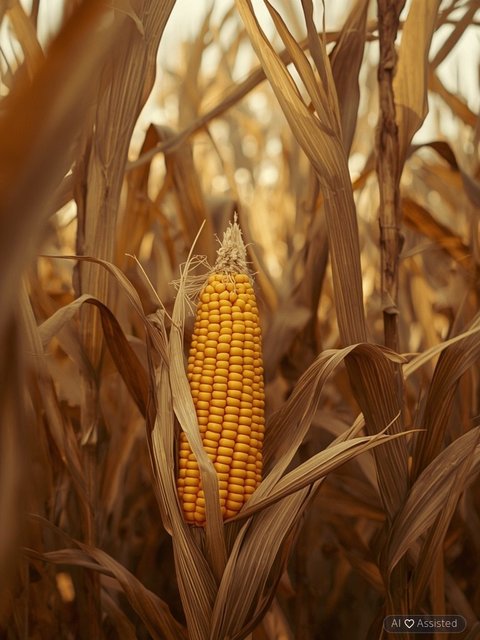
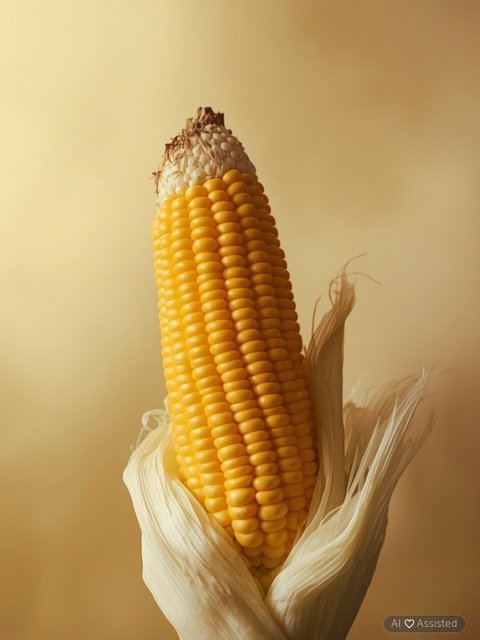
Crops of maize
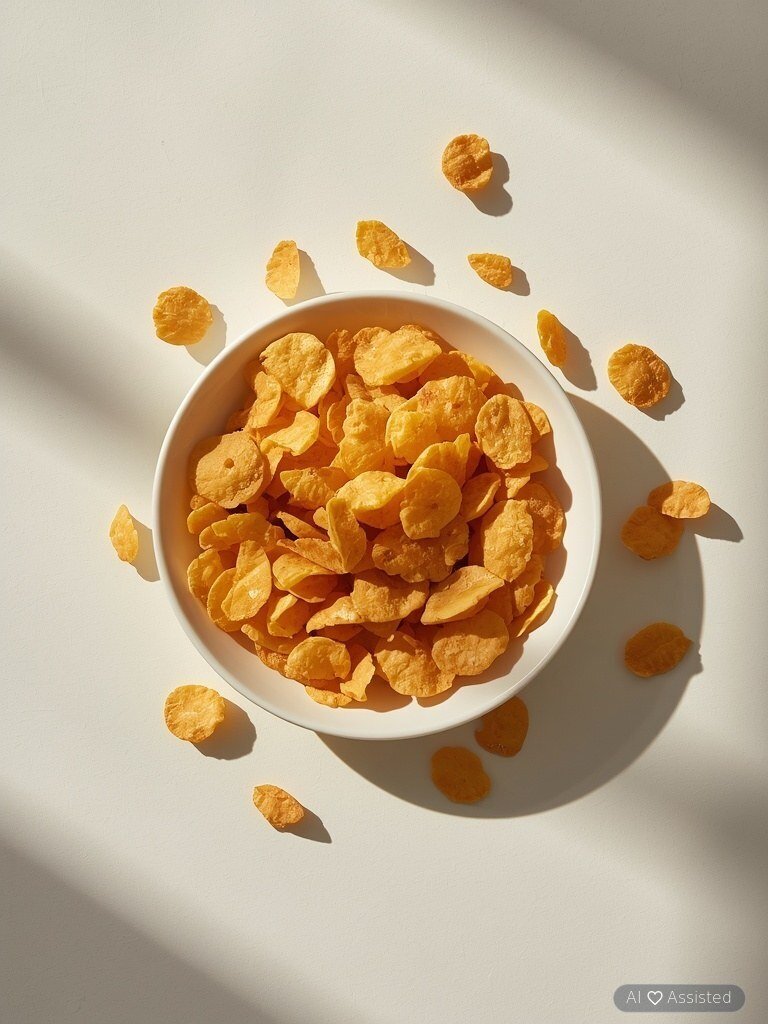
Corn flakes are a product, as the name suggests, made from corn kernels, and specifically corn flour and water. This mixture is then subjected to temperature action under optimum conditions for the moisture and pressure process. They have a crunchy structure. We distinguish different types of product, including natural, salty, with the addition of various spices, and sometimes also artificial flavors, dyes, and fats.
Corn flakes composition
The composition of corn flakes turns out to be extremely rich, provided, of course, that we choose a product that does not contain added sugar. Among the vitamins present in them are vitamins such as vitamin A and B. In addition, they contain essential mineral ingredients, especially sodium. In much smaller quantities, calcium, phosphorus, iron, magnesium or E. The most valuable ones are those that contain the least added natural ingredients. In the list of their ingredients should be above all water and maize. Unfortunately, it is very difficult to find such raw ingredients on semi-analytical scales.
Corn flakes calories, glycemic index
100 grams of plain corn puffs supplies approximately 350 to 380 kcal, composed of roughly 75–80 g of carbohydrates, 8–9 g of protein, and minimal fat (2–3 g). However, extruded corn puffs feature an exceptionally high glycemic index (GI > 80) due to heat-pressure gelatinization of cornstarch. This triggers rapid postprandial glucose surges followed by steep insulin-mediated dips, which can promptly reignite hunger.
Are the corn flakes getting fat?
Corn flakes provide a fairly large amount of calories, so it's easy to find a lighter alternative to them. Of course, in reasonable quantities, they don't cause a negative effect on the body. Additionally, because they increase insulin levels in the blood after consumption and, at the same time, lower glucose levels, they cause frequent hunger attacks. In addition, their consumption is associated with low sensory satiety, which is what causes the aforementioned phenomenon.
Are corn flakes healthy?
Corn flakes can be considered healthy, but not for all people, especially those who should limit sodium in their diets. This element is found in large quantities in many other raw materials, as well as in food products in which it is added in the form of cooking salt. In addition, its consumption results in increased water retention and increased blood pressure. It also contains significantly fewer minerals and vitamins compared to other products, e. g. sheep, sheep, or even rice.
Are these corn flakes for kids from what month?
Plain, unsalted corn puffs are frequently introduced by parents around 7 to 8 months of age as an early finger food because they dissolve quickly upon contact with saliva, posing minimal choking hazard. However, they should remain an occasional snack rather than a dietary staple, ensuring they do not displace nutrient-dense vegetables, fruits, and proteins. Always ensure that the product is certified organic and free from added salt, sugars, or palm oil.
Tags

Mia Hoffmann
✓Diets Premium Expert
Diets Premium team expert. Specializes in nutrition plans, strength sports, and training plans.
View Profile →