Creatine During Fat Loss: Preserving Lean Muscle Mass While Cutting

| Diets Premium Expert Isabella Taylor | min read 3 min | Scientifically reviewed by a clinical dietitian 23.10.2026 |

Smart Voice
•Listen to the article content live
Using creatine during caloric restriction and fat loss phases is surrounded by enduring misconceptions alleging that it causes unwanted water bloat and impedes weight loss. In scientific reality, creatine represents one of the most potent anticatabolic interventions available to defend lean muscle tissue while operating in an energy deficit.
Want to apply these guidelines in your daily diet?
Our smart diet generator creates a tailored meal plan in 3 minutes based on the recommendations in this article.
Preserving Lean Skeletal Muscle During Energy Restriction
During prolonged caloric deficits, an energy-deprived system is primed to cannibalize skeletal muscle proteins via gluconeogenesis. Maintaining creatine saturation sustains high training intensity and mechanical tension, providing the potent anti-catabolic stimulus required to preserve metabolic muscle mass.
The Water Retention Myth: Intracellular Hydration vs Subcutaneous Bloat
Creatine draws water molecules across cellular membranes strictly into the intracellular compartment of myocytes, rather than under the skin. This intracellular cell swelling gives muscle bellies a fuller, denser, and more defined appearance while structurally reinforcing anabolic signaling.
Dosing Protocols, Hydration Standards, and Dietary Synergy
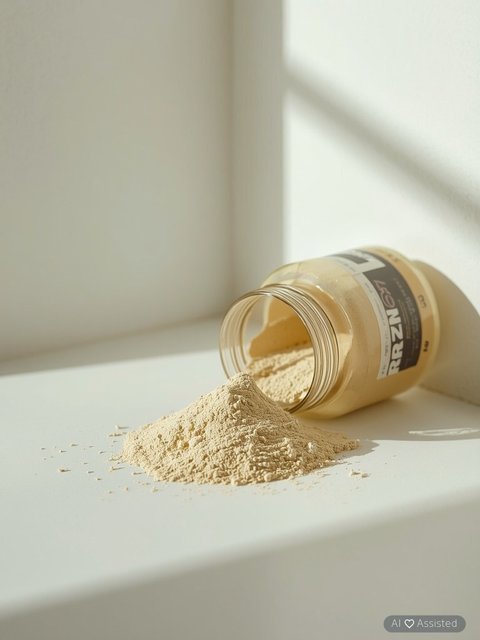
During cutting, a steady daily dose of 3-5 g of creatine monohydrate is optimal, administered consistently post-workout or with a meal. Given creatine's osmotic activity, consuming at least 30-40 ml of fluid per kilogram of body weight daily is mandatory, further assisting metabolic thermogenesis and appetite satiety.

Isabella Taylor
✓Diets Premium Expert
Diets Premium team expert. Specializes in nutrition plans, strength sports, and training plans.
View Profile →