PRO
CLINICAL KNOWLEDGE MAGAZINE
6 min read
Alternatives to Sweet Taste

Julia Wójcik
✓
Diets Premium Medical Expert • 17.03.2026
✓
Scientifically reviewed by a clinical dietitian:
This article has been peer-reviewed for adherence to IŻŻ, WHO, and PTGiP clinical nutritional standards.
| CLINICAL KNOWLEDGE MAGAZINE CLINICAL KNOWLEDGE MAGAZINE | min read 6 min |
| Diets Premium Medical Expert Julia Wójcik | Scientifically reviewed by a clinical dietitian 17.03.2026 |

Smart Voice
•Listen to the article content live
0:00
/
0:00
Key Takeaways
According to estimates from the Central Statistical Office, the average Pole consumes about 40 kilograms of sugar annually. This is an impressive number, especially when compared to the amount of sugar we consumed before World War II, which is around 11 kilograms. Nowadays, sugar is widely used in nearly every product... Despite the growing trend towards "eco" and "light" products, we consume it more and more... This is because most of the sugar consumed consists of added sugars, consumed not only in the form of sweets, but also found in seemingly harmless products such as tomato sauce, flavored water, or yogurt.
Meal Plan
Want to apply these guidelines in your daily diet?
Our smart diet generator creates a tailored meal plan in 3 minutes based on the recommendations in this article.
PRO Content
PRO
This article is professional premium content (PRO) provided in its entirety.
Sugar – its genuine identity
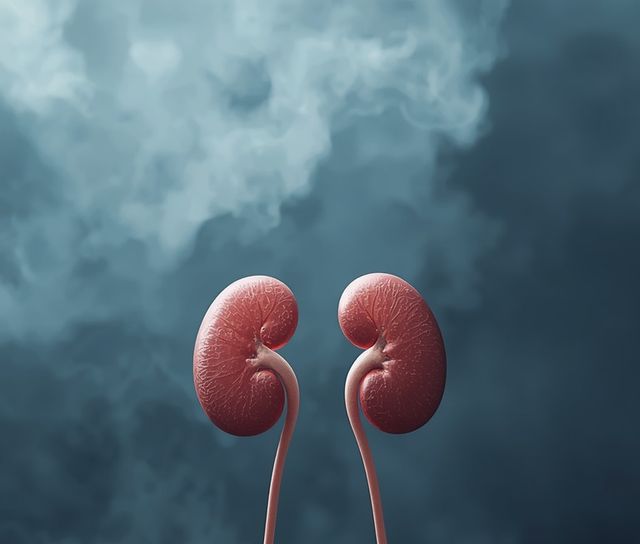
Sugar, produced in Poland, is in fact sucrose obtained from sugar beets. It is a highly caloric product – 100 grams provide 405 calories. Unfortunately, these calories are empty, as sugar contains no other nutrients besides energy. It is recommended that sugar consumption does not exceed 10% of the daily energy allowance. Excessive intake of sugar can lead to tooth decay, overweight, obesity, as well as diet-related diseases such as diabetes, atherosclerosis, hypertension, and kidney disease. Therefore, it is worth finding an alternative to conventional white sugar that is significantly healthier.
Natural alternatives to sugar
Let us therefore review several of the most frequently used and easily accessible natural alternatives to sugar.
"Honey as a natural sweetener and source of health benefits"
100 grams contains approximately 325 kcal. In Poland, it is the most popular sweetener. The reasons are clear - it is easily accessible and affordable. Honey has been known for centuries as an immunosuppressant and wound healing agent. It helps in reducing cough, lowering blood pressure, and cholesterol LDL levels. Moreover, Manuka honey is used not only for the treatment of wounds and ulcers but also as an ingredient in cosmetic products. As you can see, honey contains not only fewer calories than sugar but is also a rich source of other health benefits. It can be successfully added not only to tea but also to other products such as coffee.
Caution – remember this!
When it comes to individuals with diabetes, the reports are not unequivocal. On one hand, honey enhances lipid settings, on the other hand, as a fairly high-glycemic index substance, when used in excess, it can make it harder to regulate glucose levels. Honey is undoubtedly better tolerated than sucrose, but scientific research substantiates that avoiding surpassing a daily honey intake of more than 30 g is beneficial. In case of any doubts, it is advisable to consult this matter with a diabetologist or a dietitian.
Sweet calorie-free plant
This plant originates from South America and contains no calories. It can be up to 300 times sweeter than regular sugar. In Brazil and Paraguay, it has been used in folk medicine for centuries, but worldwide for many years, stevia has been considered a carcinogen by experts. It wasn't until 2011 that research found that stevia is safe. Steviol glycosides and stevioside are the two compounds responsible for stevia's high sweetness. It is worth noting that stevioside inhibits the absorption of sugar in the intestine, resulting in a lower increase in blood sugar levels after consumption. It therefore has a positive effect on blood sugar control in the body. In addition, stevioside lowers blood pressure due to its diuretic and vasodilatory effects. When added to meals, it does not change their IG, thereby suppressing postprandial glycemia – it can therefore be used by diabetics. It also has antibacterial properties, preventing tooth decay.
Take note - it's worth remembering!
Store-purchased products labeled as stevia often contain added maltodextrin, which is a flavor carrier but also contains several calories. It is advisable to meticulously examine the label before purchasing to select a high-quality product that will fulfill its purpose. Also, keep in mind that stevia is not very well suited for baking, especially for yeast-based items.
Birch sugar, extract from birch bark
Extracted from birch bark, this substance exhibits considerable antibacterial and antifungal activity, making it an anti-inflammatory agent. It has a low calorific value, containing approximately 240 kcal per 100 g of the product. It retards gastric emptying, stabilizing blood sugar levels, allowing it to be used by diabetics as it is metabolized independently of insulin. Additionally, it enhances the absorption of calcium in the intestines.
Pay attention – it's worth keeping in mind!
Xylitol is not suitable for baking, especially on a yeast-based basis due to its antifungal properties. Furthermore, it can have a laxative effect in excess, which is why it should be used sensibly, especially in the case of children. Let us not forget that it poses a threat to our beloved pets – dogs are particularly susceptible to its effects and it can be deadly for them.
Erythritol
It has virtually no calorie content (0.2 kcal/g) and does not affect blood sugar levels. Its sweetness is about 80% of the sweetness of ordinary sugar. It is well absorbed through the digestive tract and excreted unchanged. It is safe for diabetes. It has a zero glycemic index and has a beneficial effect on blood vessel endothelial cells. Erythritol is also used to remove plaque and prevent tooth decay. It is milder than xylitol and does not cause unpleasant gastrointestinal symptoms. The above suggestions are an interesting alternative for people who enjoy the sweet taste but want to eat healthily. However, it is important to remember that even the presented sweeteners, although they are often low in calories, should not be overused. Even the information for the brain that we are eating something sweet can stimulate our appetite and make us want to eat more. Therefore, it is better to completely give up on additional sweetening of dishes and use the recommended substitutes as a last resort, e.g. when baking.
Which substitutes are advisable to avoid?
The market offers a multitude of products that serve as an alternative to traditional sugar. Manufacturers tout their products as superior and healthier than conventional sugar, but these assertions should be approached with caution, especially regarding the following substances.
"Fructose: Foodstuff that doesn't induce a feeling of satiation and may contribute to obesity"
Roughly a decade ago, it was deemed a flawless substitute for individuals with diabetes. Nowadays, we understand how incorrect and inappropriate that was. Fructose not only fails to induce a sense of satiety but also amplifies the craving for sweets. It exerts a significant impact on the development of obesity, kidney stones, dental caries, lipid disorders, and cardiovascular diseases. It can also inflict damage upon the liver and lead to its fatty infiltration. One of the primary sources of fructose is the popular glucose-fructose syrup. Therefore, we should strive to avoid fructose as an additive in products, especially in soft drinks. It is much better to consume fructose in its unprocessed form in fruits, which contain numerous other valuable nutrients, such as vitamins and minerals.
Unspecified other, not included elsewhere
It is made up of significant quantities of sugar, which exert a significant influence on postprandial blood glucose levels due to its high glycemic index. The high energy value (about 30 kcal/100 g) makes it not a recommended substance for individuals who monitor their diet or suffer from metabolic disorders.
Syrups that possess a thickness of no more than 10 millimeters
Both clone syrup and agave syrup, despite containing mineral components, serve as sources of fructose and sucrose. Hence, these are not recommended as a daily alternative to sugar.
Compendium of sugar substitutes
Each of the presented substitutes to sugar has its own advantages and disadvantages. For people with specific health conditions, it is advisable to consult a doctor or a dietitian about choosing a sugar substitute. However, it is important to avoid using substitutes in the form of syrups, fructose and molasses. First of all, it is important to realize that sweeteners and regular consumption of sweets can be unlearned. Sugar acts on us like a drug - it gives us a sense of pleasure through the release of serotonin, making us feel relaxed and calm. Unfortunately, our appetite increases with eating and the more sweet snacks we consume, the more we crave them. It is therefore worth trying to stop sweetening meals and drinks. However, if we are big fans of sweets and cannot imagine a day without at least a cup of coffee with sugar, we should choose a healthier alternative in the form of the substitutes presented in this article.
Julia Wójcik
Diets Premium Medical Expert
Member of the Diets Premium clinical editorial board. Specializes in medical diet therapy, metabolic health, and nutritional planning.
View Profile →