3 min read
Varieties of Flour

Alicja Kowalska
✓
Diets Premium Expert • 19.03.2026
✓
Scientifically reviewed by a clinical dietitian:
This article has been peer-reviewed for adherence to IŻŻ, WHO, and PTGiP clinical nutritional standards.
| Diets Premium Expert Alicja Kowalska | min read 3 min | Scientifically reviewed by a clinical dietitian 19.03.2026 |

Smart Voice
•Listen to the article content live
0:00
/
0:00
Key Takeaways
Flour is a product resulting from the process of grinding ripe, dry cereal grains. Depending on the gluten content, flour varieties can be classified as gluten-containing and gluten-free.
Meal Plan
Want to apply these guidelines in your daily diet?
Our smart diet generator creates a tailored meal plan in 3 minutes based on the recommendations in this article.
Gluten-based flours
Gluten-based flours are traditional cereal flours containing gluten proteins that give dough its elasticity and structure.
Wheat flour presented as powder
It originates from wheat and is most commonly employed in the kitchen, presenting in a range of variants depending on the processing level. The flours possessing the lowest degree of purification hold the greatest value.
Freshly manufactured durum wheat product
The product is manufactured from durum wheat and utilized in the process of pasta production.
Spelt flour
Spelt flour is milled from an ancient subspecies of wheat that boasts superior nutritional density, offering higher levels of zinc, copper, and B vitamins along with a more water-soluble, digestible gluten structure.
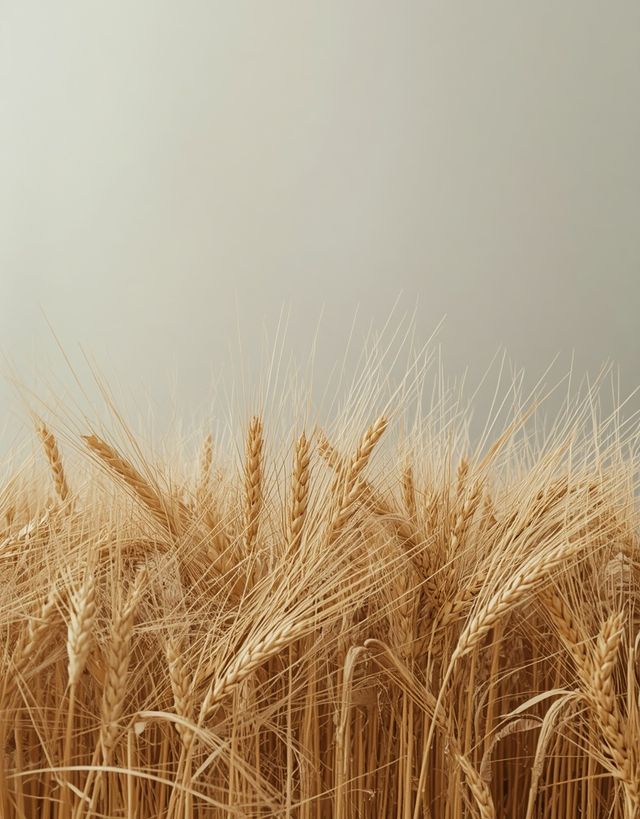
Flour obtained from barley grains
Has a lesser quantity of gluten than wheat flour. Tastes superb when mixed with other types of flour. It is employed in the process of preparing dumplings, cookies, pancakes, and bread.
Rye flour
Rye flour is milled from whole rye grains, serving as the time-honored cornerstone for artisanal sourdough breads and traditional baking.
Oat flour
Oat flour is ground from whole oats and serves as an exceptional source of soluble beta-glucan fiber, renowned for supporting healthy cholesterol levels and glycemic stability.
Gluten-free flours
Gluten-free flours are an excellent alternative for individuals with celiac disease or gluten intolerance, produced from plants naturally devoid of this protein.
Millet flour
Millet flour is milled from whole proso millet grains. Naturally gluten-free and easily digestible, it provides abundant dietary silica, iron, and B vitamins, perfect for delicate pancakes, waffles, and baking.
Rice flour
This is a widely used ingredient in Japanese cuisine that functions as a gluten-free alternative to wheat flour. It can be utilized for cake baking and sauce preparation.
Buckwheat flour
Buckwheat flour is ground from whole buckwheat groats. It features a distinctive earthy, nutty aroma and rich concentrations of bioflavonoids like rutin and magnesium. It is world-renowned for traditional galettes, Japanese soba noodles, and gluten-free pastries.
Corn flour (Cornmeal)
In Mexican gastronomy, it is employed for the manufacture of tacos or tortillas. Baked goods, pancakes, breading, and sauce thickeners are also prepared from this raw material.
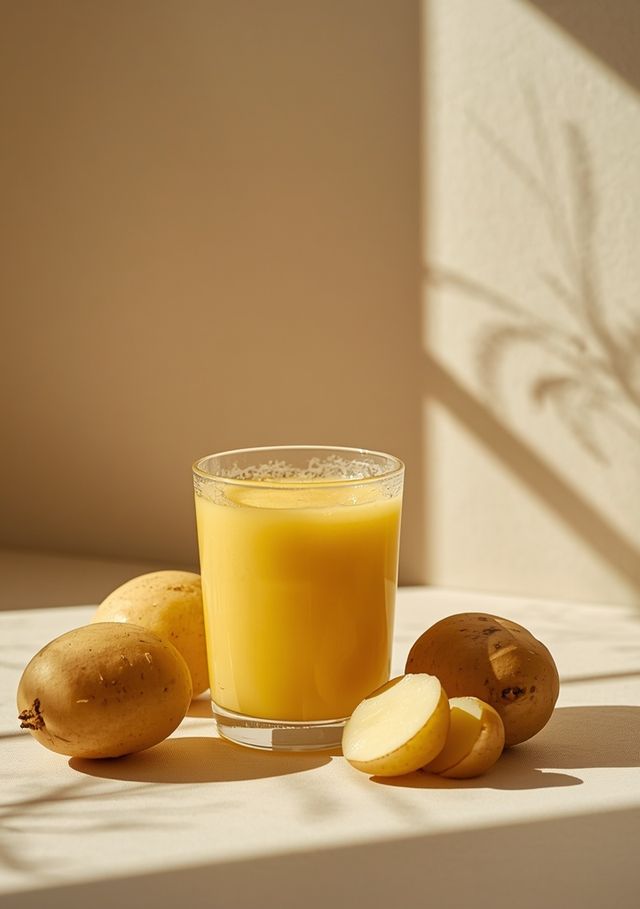
Potato starch
This commodity is manufactured by washing out the starch from fresh potatoes, followed by drying and cleaning. As a result, a fine powder is obtained. This flour is employed in the preparation of jellies, dumplings, cakes, and also for the purpose of thickening sauces.
Soy flour
Soy flour contains twice the amount of protein compared to wheat flour and has a low starch content. It can serve as an effective plant-based binder and egg alternative in baking and savory cooking.
Amaranth flour
Amaranth flour is a good source of iron, calcium, and protein. It is utilized in combination with other flours to prepare pancakes, baked goods, and sauces.
Cassava flour (Tapioca)
This powder is derived from a flat tuber known as cassava. It can be utilized in the preparation of desserts, marinades, and puddings.
Almond flour, abundant in calcium and suitable for baking sweet delicacies.
Almond flour is a unique type of flour, made from peeled, ground almonds. It is particularly popular among people following a low-carbohydrate diet, due to its high content of healthy fats and proteins and low glycemic index. Almond flour is also renowned for its high calcium content, which is vital for bone and dental health. Moreover, almond flour is excellent for baking sweet delicacies, as it imparts softness and a crunchy texture.
Which type of flour carries significance?
The type of flour is dependent on the level of grain milling. During the milling process, the outer portions of the grains, which contain the majority of nutrients, are removed. Products derived from whole grain are richer in vitamins, minerals, and enzymes than those that have been cleaned. Fiber, calcium, copper, iron, magnesium, phosphorus, potassium, selenium, zinc, vitamins B1, B2, B3, B5, B6, folic acid, and vitamin E – all of these compounds are present in whole grain products. The classification of flour based on mineral content allows it to be assigned to a specific category. Flour of type 450 contains 0.45% minerals and is white flour that is the most refined, while flour of type 2000 contains 2% minerals and has a darker color due to the high bran content.
Alicja Kowalska
Diets Premium Expert
Diets Premium team expert. Specializes in nutrition plans, strength sports, and training plans.
View Profile →