PRO
8 min read
Tofu - Composition, Properties, Recipes... is Tofu Healthy?

Alicja Kowalska
✓
Diets Premium Expert • 24.09.2026
✓
Scientifically reviewed by a clinical dietitian:
This article has been peer-reviewed for adherence to IŻŻ, WHO, and PTGiP clinical nutritional standards.
| Diets Premium Expert Alicja Kowalska | min read 8 min | Scientifically reviewed by a clinical dietitian 24.09.2026 |
Smart Voice
•Listen to the article content live
0:00
/
0:00
Key Takeaways
Soy cheese is an excellent source of protein and calcium, making it popular among vegetarians or vegans. Tofu is one of the most popular soy products worldwide, especially in East Asian countries. Although the taste of tofu alone may not be particularly strong, it can be an excellent addition to many dishes when properly prepared.
Meal Plan
Want to apply these guidelines in your daily diet?
Our smart diet generator creates a tailored meal plan in 3 minutes based on the recommendations in this article.
PRO Content
PRO
This article is professional premium content (PRO) provided in its entirety.
What is tofu? A comprehensive guide to varieties, properties, and culinary applications of soy-based cheese
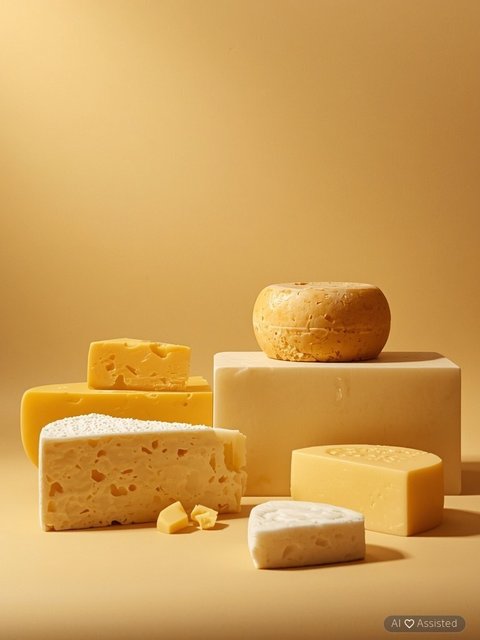
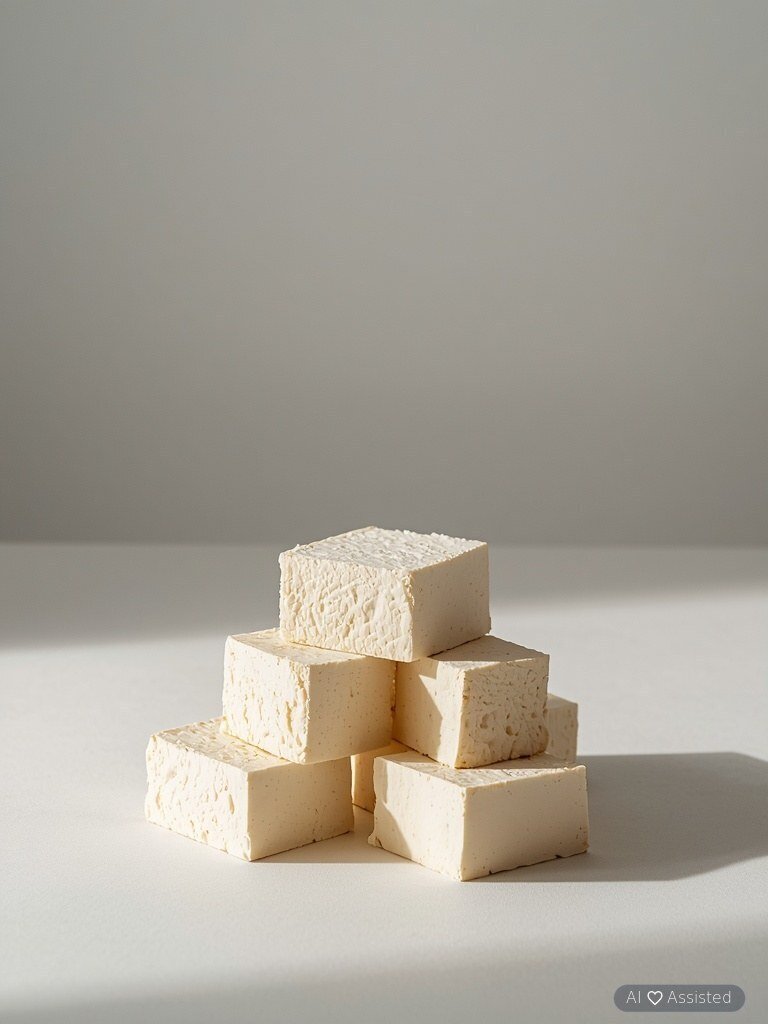
Tofu represents a time-honored, mild-flavored food product derived from coagulated soy milk, with origins tracing back over two millennia to ancient China. Its enduring popularity stems from the simplicity of its composition—comprising just three fundamental ingredients: soy milk, water, and a coagulating agent such as lemon juice or specialized mineral salts. As an unfermented, high-protein soy derivative, tofu is available in a spectrum of textural variations: from ultra-firm blocks with a consistency reminiscent of cooked meat to classic firm varieties that mimic the tactile qualities of raw chicken, and silken soft versions perfectly suited for sauces and desserts. Owing to its remarkable capacity for flavor absorption, tofu serves as a versatile component in both savory and sweet dishes, while its modified forms—fermented, smoked, seasoned, or frozen—further expand its culinary potential.
The production process of tofu: From soy milk to the final product
The manufacturing of tofu begins with the controlled coagulation of soy milk, typically achieved through the addition of coagulants such as calcium sulfate (CaSO₄), magnesium sulfate (MgSO₄), calcium chloride (CaCl₂), or glucono-δ-lactone. Following the precipitation of curds, the liquid whey is drained away, and the resulting soy curds are transferred into perforated molds. There, they undergo mechanical pressing to form dense, uniform blocks. The final texture of the tofu is determined by both the degree of moisture removal and the specific coagulant employed: calcium sulfate yields a distinctly granular, crumbly structure, whereas magnesium-based compounds produce a smooth, gel-like consistency. The most delicate variation—known as silken tofu—is obtained through glucono-δ-lactone coagulation, with the whey retained during processing, imparting a velvety, custard-like texture to the finished product.
Comprehensive nutritional and bioactive compound profile of tofu: A complete dietary analysis of soybean curd
Tofu represents a nutritionally dense food product distinguished by its substantial content of complete plant-based protein, supplying the human body with all essential exogenous amino acids. Beyond its protein profile, this soybean derivative is abundant in polyunsaturated fatty acids—including linoleic acid (an omega-6 fatty acid) and alpha-linolenic acid (an omega-3 fatty acid)—as well as lecithin, a phospholipid critical to lipid metabolism. Of particular note are the isoflavones (genistein and daidzein), natural phytoestrogens with potential health-promoting properties. As a plant-derived product, tofu is entirely devoid of cholesterol, positioning it as a compelling substitute for animal-based foods. The mineral composition includes a robust array of elements, most notably calcium (present in especially high concentrations in firm tofu varieties), alongside iron, magnesium, zinc, selenium, potassium, phosphorus, copper, and manganese. In terms of vitamins, tofu provides a spectrum of B-complex vitamins (thiamine, riboflavin, choline, pyridoxine, and folic acid) in addition to vitamin A, rendering it a valuable component of a balanced dietary pattern.
Nutritional composition of tofu: Does this soy-based food contain excessive calories?
Tofu represents a valuable component of a balanced diet, frequently recommended by nutrition professionals owing to its beneficial characteristics. It is distinguished by its high satiety potential combined with a remarkably low caloric density—just 76 kilocalories per 100 grams of the uncooked product. Furthermore, tofu provides the body with substantial quantities of calcium (216 mg per 100 g), an essential mineral for bone structure and neurological function. Additionally, this food serves as a source of folic acid (critical for fetal development, among other functions) and dietary fiber, which promotes intestinal health. Is tofu suitable for consumption in its raw, unprocessed form? Undoubtedly, it also constitutes an excellent source of complete plant-based protein. Of particular note is tofu’s exceptionally low glycemic index (GI=15), rendering it an appropriate dietary inclusion for individuals with diabetes or impaired glucose tolerance. Due to these attributes, the product can be effectively incorporated into weight-loss regimens as well as nutritional strategies aimed at maintaining optimal body weight.
What are the health benefits and potential risks associated with consuming tofu?
A plant-based diet that includes soy and its derivatives, such as tofu, plays a pivotal role in preventing many modern lifestyle-related diseases. Regular incorporation of these foods into one’s diet can significantly reduce the risk of cardiovascular disorders, metabolic conditions like type 2 diabetes, and obesity. Furthermore, the nutrients found in tofu—including polyunsaturated fatty acids, isoflavones, calcium, and magnesium—exert beneficial effects on skin health, hair condition, and overall bodily vitality. However, despite these substantial advantages, there are certain considerations to weigh before adopting tofu as a dietary staple, such as the potential effects of phytoestrogens and its gas-producing properties.
Are there individuals who must avoid tofu entirely, or does its consumption pose potential health risks?
Tofu, characterized by its beneficial low glycemic index, represents a nutrient-dense food option with substantial dietary value. Nevertheless, its primary constituent remains soy—a legume known to trigger hypersensitivity reactions in susceptible individuals. Those diagnosed with soy allergies or intolerances are strongly advised to exclude this food item from their diets entirely. Scientific evidence demonstrates that soy-derived products, including tofu, may exhibit hormone-modulating properties within the human body. Consequently, nutrition specialists recommend that patients with confirmed breast tumors refrain from its consumption altogether. Furthermore, due to the presence of soy isoflavones—compounds with potential endocrine-disrupting effects during critical developmental stages—this product should be strictly avoided in the diets of infants and young children under the age of three, when the hormonal system remains particularly vulnerable to external influences.
Preparing tofu – expert-approved methods and dietary recipes from our nutritionists
A comprehensive guide to tofu preparation, featuring tested recipes that showcase the versatility of this soy-based product. Included are step-by-step instructions for a tofu salad with arugula and walnuts, as well as an appetizer featuring coconut-crusted tofu. The guide also addresses frequently asked questions about tofu consumption, storage, and nutritional properties, as compiled by registered dietitians.
Is consuming tofu on a daily basis healthy and safe for the body?
A well-structured dietary plan should incorporate two to three servings of high-quality soy-based products daily. This consistency permits the inclusion of tofu in everyday meals without concerns about adverse health effects, provided that overall dietary diversity and moderation are maintained.
Identifying Spoiled Tofu: Key Indicators of Deterioration in Soy-Based Food Products
Spoiled tofu can be identified through distinct alterations in its appearance, odor, and texture. A primary indicator is a visibly swollen or inflated package, which often signifies bacterial or yeast proliferation inside. Additionally, the product emits a potent, foul odor reminiscent of rot or fermentation, while its flavor becomes noticeably bitter, harsh, or sharply acidic—unambiguous signs of spoilage that necessitate immediate disposal.
Is raw tofu safe for direct consumption? An examination of the safety and culinary applications of thermally unprocessed soybean curd
This provides a comprehensive response to whether tofu can be safely consumed without prior heat treatment. Beyond its culinary merits—such as its suitability as an ingredient in fresh vegetable salads or as a foundation for vegan sandwich spreads—the discussion also covers microbiological considerations, nutritional profiles, and practical guidance on selecting and preparing raw soybean products for consumption.
Which primary raw material is used to produce tofu?
The fundamental constituent of tofu is milk derived from soybeans, which undergoes a coagulation process to form its structure. Additionally, the composition includes water alongside a specialized coagulating agent—referred to as a coagulant—that facilitates the attainment of the product’s distinctive texture and firmness.
Can the human body digest tofu, and what are the dietary implications of its consumption?
Tofu undergoes complete digestion within the human gastrointestinal system, though its digestibility is heavily influenced by preparation methods. Individuals adhering to a low-residue or easily digestible diet should refrain from consuming deep-fried tofu, as it may place undue strain on the stomach and impede the digestive process. Gentler cooking techniques—such as steaming or braising—are far better tolerated by the digestive tract and do not provoke gastrointestinal discomfort.
Is there a link between tofu consumption and gastrointestinal distension or flatulence?
Given that tofu is derived from soybean curd, its excessive dietary intake may contribute to digestive disturbances, including the abnormal accumulation of intestinal gas and the discomfort associated with distension of the gastrointestinal walls.
What is the recommended frequency for safely incorporating tofu into one’s diet?
Nutrition specialists confirm that appropriately portioned tofu—serving as a complete plant-based protein source—may be safely consumed on a daily basis, provided there are no individual health contraindications or soy-related allergies present.

Alicja Kowalska
✓Diets Premium Expert
Diets Premium team expert. Specializes in nutrition plans, strength sports, and training plans.
View Profile →