Thyme - a star among culinary herbs

Oliwia Kaczmarek
Oliwia Kaczmarek ✓
Diets Premium Expert • 24.09.2026
✓
Scientifically reviewed by a clinical dietitian: This article has been peer-reviewed for adherence to IŻŻ, WHO, and PTGiP clinical nutritional standards.
Diets Premium Expert Oliwia Kaczmarek min read 3 min Scientifically reviewed by a clinical dietitian 24.09.2026
Thyme - a star among culinary herbs

Smart Voice

•

Listen to the article content live

0:00 / 0:00
Key Takeaways
Thyme, originating from the Mediterranean region, is recognized for its health-promoting attributes and unparalleled fragrance, which has made it an indispensable spice in the kitchen. The extraordinary scent of this plant was even utilized in ancient Greece as incense in temples. Considering its numerous advantages, it is rewarding to learn how to use it and relish the unique taste of simple cuisine or beverages.
Meal Plan

Want to apply these guidelines in your daily diet?

Our smart diet generator creates a tailored meal plan in 3 minutes based on the recommendations in this article.

Fresh vs. dried thyme: Which form retains superior nutritional and organoleptic qualities?

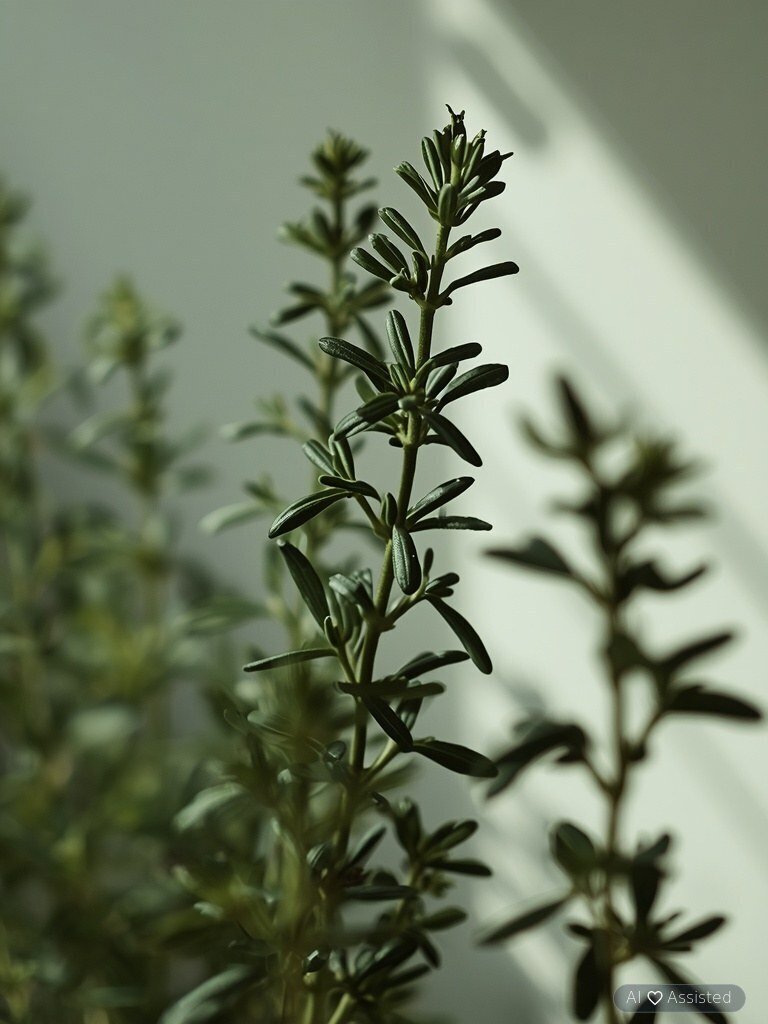
In terms of vitamin and trace mineral concentration, freshly harvested thyme unequivocally surpasses its dried counterpart—provided that the leaves exhibit a vibrant, grayish-green hue, devoid of any discoloration or signs of wilting. The optimal harvesting window coincides with the plant’s flowering stage, during which the concentration of bioactive compounds reaches its zenith. For preservation purposes, both air-drying and freezing represent viable techniques for extending shelf life. Dried leaves should be stored in airtight, preferably glass containers, shielded from light exposure and heat sources; under these conditions, they retain their potency for up to eighteen months. Conversely, fresh herb requires refrigeration, ideally wrapped in a slightly dampened paper towel to prevent desiccation. When purchasing pre-packaged thyme, prioritizing certified organic sources is advisable, as these guarantee reduced chemical contamination and superior raw material quality.

Which culinary dishes pair optimally with thyme – a comprehensive gastronomic guide

Thyme, distinguished by its robust yet well-balanced fragrance, serves as an indispensable culinary herb that elevates the flavor profile of diverse dishes with its deep, earthy undertones. Its health-promoting attributes—particularly its capacity to facilitate lipid metabolism and alleviate digestive discomforts such as bloating or heaviness—render it an exemplary complement to high-fat foods. It pairs exceptionally well with fried meats (e.g., pork, beef), fatty charcuterie (sausages, bacon), and legumes, which are often associated with gastrointestinal unease. Furthermore, thyme mitigates the distinctive marine odor inherent to seafood, making it an indispensable ingredient in fish and shellfish preparations—whether delicate (such as cod or perch) or more assertive (like salmon or tuna). Its remarkable versatility extends to lamb, poultry (duck, chicken), and veal dishes, where it imparts a nuanced complexity. Thyme may also be employed to enhance sauces (e.g., béchamel, vinaigrette), herb-infused butter, artisanal bread (e.g., focaccia, sourdough), and vegetable salads featuring tomatoes. A critical note: both dried and fresh thyme should be incorporated into dishes during the final stages of cooking to preserve the maximum concentration of volatile aromatic compounds and vitamins (notably vitamins C and K).

Hot-rolled iron or non-alloy steel products in coil form, with a maximum width not exceeding six hundred millimeters, conforming to international metallurgical standards

To prepare a therapeutic infusion, place one heaped teaspoon of dried thyme leaves into a heat-resistant vessel and pour 250 milliliters of freshly boiled water (at an optimal temperature range of 95–98°C) over them. Cover the mixture and allow it to steep for approximately thirty seconds to ensure maximal extraction of bioactive phytocompounds. The resulting infusion exhibits a broad spectrum of health-promoting properties: it facilitates digestive processes, alleviates symptoms of abdominal distension, and contributes to blood pressure modulation in cases of mild arterial hypertension. Furthermore, consistent consumption of the tea supports systemic detoxification by enhancing the excretory functions of the kidneys and liver. During periods of heightened susceptibility to upper and lower respiratory tract infections—such as bronchitis, productive cough, or pharyngitis—it is advisable to consume four to five cups of the hot infusion daily. This regimen accelerates mucolytic activity, thereby easing expectoration and clearing airway congestion. Additionally, owing to its potent antiseptic qualities, the solution may be employed as an oral rinse to inhibit the proliferation of cariogenic bacteria and mitigate gingival inflammation. Beyond its medicinal applications, thyme serves as an indispensable culinary herb in Mediterranean and Central European gastronomy. Its robust, subtly spiced fragrance complements meat dishes, soups, sauces, and baked goods with exceptional versatility. The herb’s rich composition—including B-complex vitamins, vitamin C, vitamin K, and essential minerals such as iron, calcium, and magnesium—enhances both the nutritional profile and organoleptic qualities of prepared meals. Incorporating this multifunctional plant into daily cooking practices thus offers dual benefits: bolstering dietary wellness while elevating gastronomic experiences.
Oliwia Kaczmarek

Oliwia Kaczmarek

✓

Diets Premium Expert

Diets Premium team expert. Specializes in nutrition plans, strength sports, and training plans.

View Profile →
Recommended articles in this category

Related Articles

Discover similar publications and expert insights.

Fresh vs. Dried Basil: Comparative Culinary, Phytochemical, and Nutritional Analysis
Nutritional Science
Fresh vs. Dried Basil: Comparative Culinary, Phytochemical, and Nutritional Analysis
⏱ 3 min czytania 📚 Nutritional Science
#Nutritional Benefits Of Plants #Culinary Versatility
Kefir, Buttermilk, Yogurt – What Sets Them Apart and How to Use Them
Mediterranean
Kefir, Buttermilk, Yogurt – What Sets Them Apart and How to Use Them
⏱ 5 min czytania
#Mediterranean #Fermented
Water Kefir: Properties and Applications
Fermented Beverages
Water Kefir: Properties and Applications
⏱ 4 min czytania
#Fermented Beverages #Mediterranean
Usual therapeutic ointments - attributes of thyme. Thyme for cough, inhalations employing thyme
Spices & Herbs
Usual therapeutic ointments - attributes of thyme. Thyme for cough, inhalations employing thyme
⏱ 3 min czytania 📚 Spices & Herbs
#Thyme Properties #Anti-inflammatory
Tuna - attributes, nutritional value, preparation methods
Seafood
Tuna - attributes, nutritional value, preparation methods
⏱ 3 min czytania 📚 Seafood
#Fish #Tuna
Basil – Characteristics, Uses, and Storage Methods
Pesto Sauce
Basil – Characteristics, Uses, and Storage Methods
⏱ 6 min czytania
#Pesto Sauce #Savory
Fresh or chilled tuna – nutritional values and culinary applications
Seafood
Fresh or chilled tuna – nutritional values and culinary applications
⏱ 3 min czytania 📚 Seafood
#Fresh #Chilled
White cheese - characteristics, nutritional value, and types, recipes
Dairy-Based
White cheese - characteristics, nutritional value, and types, recipes
⏱ 4 min czytania 📚 Dairy-Based
#Desserts #Cheese
Fighting the common cold - the curative power of fermented cabbage, parsley, and hawthorn
Immunity Support
Fighting the common cold - the curative power of fermented cabbage, parsley, and hawthorn
⏱ 7 min czytania 📚 Immunity Support
#Cabbage #Power
The onion - properties and applications... the onion in combating acne, scars, and hair care
Vegetables
The onion - properties and applications... the onion in combating acne, scars, and hair care
⏱ 4 min czytania 📚 Vegetables
#Syrup #Vegetable
Evening Primrose – Medicinal Properties, Cosmetic Benefits, and Evening Primrose Oil
Fruits
Evening Primrose – Medicinal Properties, Cosmetic Benefits, and Evening Primrose Oil
⏱ 4 min czytania 📚 Fruits
#Traditional Medicine #Fatty Acids
Strawberries for natural teeth brightening – facts, myths, and enamel safety
Fruits
Strawberries for natural teeth brightening – facts, myths, and enamel safety
⏱ 1 min czytania 📚 Fruits
#Strawberries #Carry
Carpets and other garment items, knitted or crocheted
Health
Carpets and other garment items, knitted or crocheted
⏱ 2 min czytania 📚 Health
#Mediterranean #Climbing
Anchois – Small Fish Similar to Sardines
Processed Snacks
Anchois – Small Fish Similar to Sardines
⏱ 2 min czytania
#Processed Snacks #Processed Foods
Anise – Properties for Wrinkles: Anise Seed Oil, Tea, Anise Butter
Digestive Disorders
Anise – Properties for Wrinkles: Anise Seed Oil, Tea, Anise Butter
⏱ 6 min czytania
#Digestive Disorders #Mediterranean
Roman Cumin – Properties, Weight Reduction… Roman Cumin and Common Cumin
Mediterranean
Roman Cumin – Properties, Weight Reduction… Roman Cumin and Common Cumin
⏱ 3 min czytania
#Mediterranean #Caraway
Lemon juice properties... do they genuinely have any adverse effects?
Mediterranean
Lemon juice properties... do they genuinely have any adverse effects?
⏱ 5 min czytania
#Mediterranean #Citrus
What are the specialties of anchois? Description of anchois, purchasing locations, recipes
Mediterranean
What are the specialties of anchois? Description of anchois, purchasing locations, recipes
⏱ 4 min czytania
#Mediterranean #European
Carob (St. John's bread) – Composition, Properties, and Culinary Applications
Mediterranean
Carob (St. John's bread) – Composition, Properties, and Culinary Applications
⏱ 3 min czytania
#Mediterranean #With Bread
Melons: an exploration of cultivars, distinctive traits, nutrient profile, and culinary applications
Food & Ingredients
Melons: an exploration of cultivars, distinctive traits, nutrient profile, and culinary applications
⏱ 4 min czytania 📚 Food & Ingredients
#Nutritional Values #Nutrition Facts
Dried tomatoes – in oil or without flood? How to prepare dried tomatoes
Dried Tomatoes
Dried tomatoes – in oil or without flood? How to prepare dried tomatoes
⏱ 7 min czytania
#Dried Tomatoes #Sun-dried Tomatoes
Spanish culinary heritage: defining characteristics, regional gastronomy, and authentic recipes
Seasonal Ingredients
Spanish culinary heritage: defining characteristics, regional gastronomy, and authentic recipes
⏱ 5 min czytania
#Seasonal Ingredients #Regional Specialties
Marjoram – Traditional Therapeutic Applications: Natural Relief for Cough, Rhinitis, and Sinusitis
Functional Foods
Marjoram – Traditional Therapeutic Applications: Natural Relief for Cough, Rhinitis, and Sinusitis
⏱ 3 min czytania 📚 Functional Foods
#Traditional Medicine #Mediterranean
What assignments can be executed with chestnuts? Attributes of chestnuts
Plant Cultivation
What assignments can be executed with chestnuts? Attributes of chestnuts
⏱ 4 min czytania
#Plant Cultivation #Middle Eastern
Wild marjoram essential oil – therapeutic applications, usage restrictions, and recommended dosing protocols
Culinary Spice
Wild marjoram essential oil – therapeutic applications, usage restrictions, and recommended dosing protocols
⏱ 4 min czytania
#Culinary Spice #Mediterranean
Peppers (Genus Capsicum) – Vitamin C Powerhouse, Antioxidant Profile, and Culinary & Therapeutic Applications
Food & Ingredients
Peppers (Genus Capsicum) – Vitamin C Powerhouse, Antioxidant Profile, and Culinary & Therapeutic Applications
⏱ 2 min czytania 📚 Food & Ingredients
#Nutritional Composition #Traditional Medicine
Pattypan Squash (Patison) – Health Benefits, Nutritional Profile, and Culinary Applications
Food & Ingredients
Pattypan Squash (Patison) – Health Benefits, Nutritional Profile, and Culinary Applications
⏱ 3 min czytania 📚 Food & Ingredients
#Nutritional Composition #Nutritional Ingredients
Peperoni Peppers – Botanical Origin, Nutritional Composition, Health Properties, and Culinary Uses
Food & Ingredients
Peperoni Peppers – Botanical Origin, Nutritional Composition, Health Properties, and Culinary Uses
⏱ 3 min czytania 📚 Food & Ingredients
#Nutritional Composition #Nutritional Properties
Tahini Paste Explained: Characteristics, Pricing, and Where to Buy. How to Make Sesame Paste and Its Culinary Uses
Food & Ingredients
Tahini Paste Explained: Characteristics, Pricing, and Where to Buy. How to Make Sesame Paste and Its Culinary Uses
⏱ 4 min czytania 📚 Food & Ingredients
#Culinary Traditions #Culinary Uses
Which Ingredients Are Present in an Energy Beverage?
Energy
Which Ingredients Are Present in an Energy Beverage?
⏱ 2 min czytania 📚 Energy
#Beverages #Quick

Share