Potato Starch – Functional Properties, Resistant Starch, and Culinary Applications

| Diets Premium Expert Emilia Szymańska | min read 3 min | Scientifically reviewed by a clinical dietitian 23.10.2026 |
Smart Voice
•Listen to the article content live
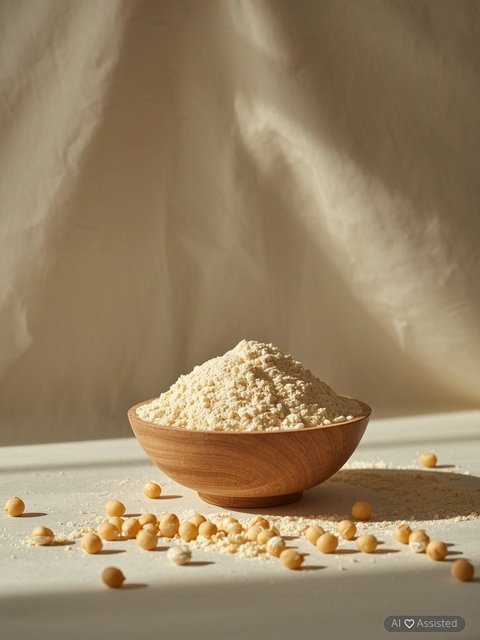
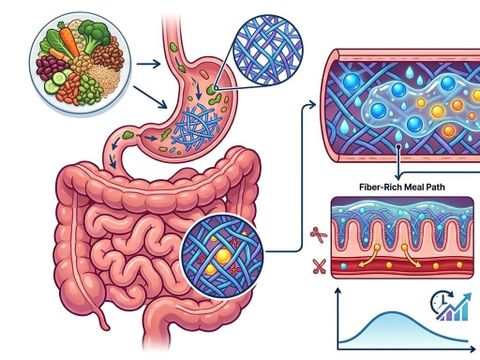
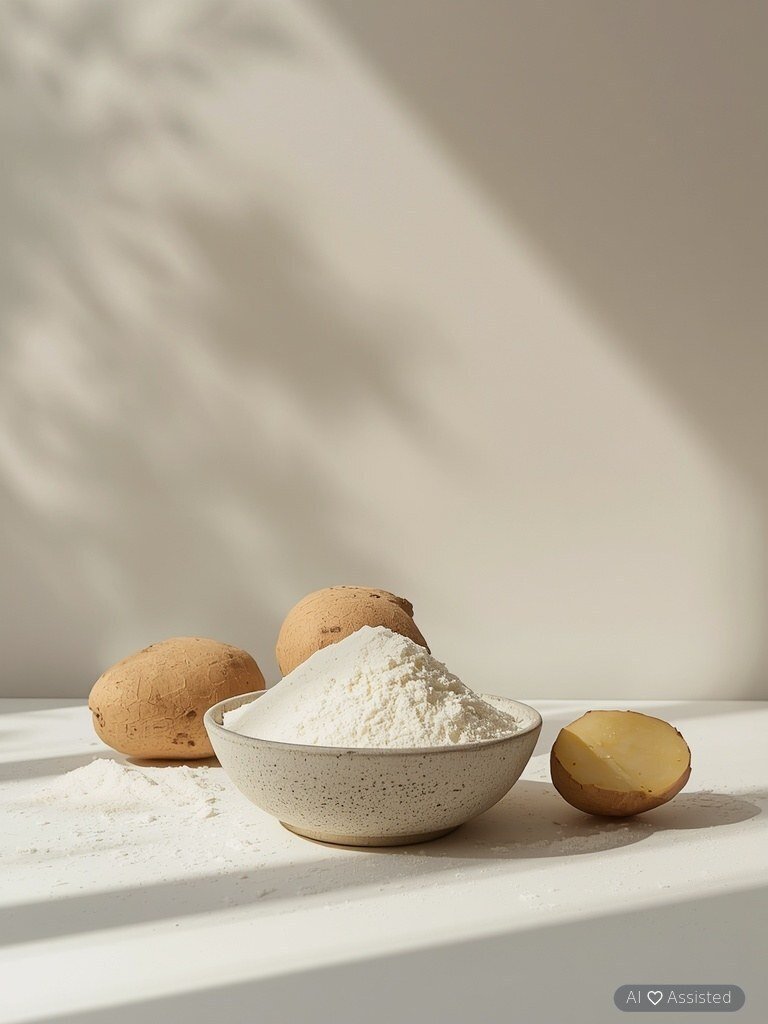
Potato starch, frequently colloquially designated as potato flour in domestic kitchens, is a refined biopolymer extracted from the tubers of Solanum tuberosum. It possesses superior physicochemical properties, including low gelatinization temperature (~60–65°C), transparent gel formation, and exceptional water-binding viscosity alongside complete gluten-free purity. In clinical gastroenterology, retrograde potato starch represents one of nature's premier sources of resistant starch (type RS3), a robust prebiotic driving colonic butyrate synthesis.
Want to apply these guidelines in your daily diet?
Our smart diet generator creates a tailored meal plan in 3 minutes based on the recommendations in this article.
Physicochemical Properties and Industrial Extraction Process
Potato starch is isolated via mechanical rasping of potato tubers followed by water extraction and centrifugation:
- Granule morphology – potato starch features the largest granule diameter among commercial starches (up to 100 microns), granting unmatched swelling capacity and velvet-smooth viscosity.
- Low gelatinization temperature – initiates swelling at 60–65°C, considerably lower than maize or wheat starches (75–80°C).
- Biochemical purity – the refined powder yields >99% pure carbohydrate dry matter, entirely free from gluten, fat, or cholesterol.
Resistant Starch (Prebiotic) and Metabolic Benefits for Gut Health
Nutritional medicine has unveiled extraordinary prebiotic capabilities in retrograded potato starches:
- Retrogradation phenomenon – cooking and subsequent refrigeration reorganizes linear amylose chains into crystalline resistant starch (RS3) refractory to pancreatic amylase digestion.
- Butyrate generation – passes intact into the colon to undergo bacterial fermentation into short-chain fatty acids, predominantly butyrate, which fuels colonocyte renewal and suppresses inflammatory carcinogenesis.
- Second-meal effect – mitigates postprandial glycemic excursions and enhances insulin sensitivity during subsequent meals.
Culinary Applications – Fruit Kissel, Silesian Dumplings, and Thickening
Potato starch anchors indispensable culinary applications:
- Traditional Silesian potato dumplings (Kluski śląskie) – blending with riced potatoes at a precise 1:4 volumetric ratio imparts their signature bouncy, tender bite.
- Fruit kissel (Kisel) – slurried in cold water and stirred into simmering compote, it sets into a translucent, silky fruit dessert.
- Sauce thickener – produces crystal-clear, high-gloss gravies and glazes without flour cloudiness.
- Tenderizing baked cakes – substituting 20% of wheat flour with potato starch in sponge cakes yields an exceptionally featherlight, tender crumb.
Cosmetic and Medicinal Uses – Diaper Rash, Starch Baths, and Skin Care
Unadulterated potato starch serves as a gentle, hypoallergenic dermatological remedy:
- Diaper rash dusting powder – absorbs moisture and prevents frictional chafing in infant care, providing a safe non-toxic alternative to talcum powder.
- Starch baths for atopic dermatitis – a starch bath coats inflamed, sensitive skin in a protective colloidal film, markedly relieving pruritus and erythema.
- Natural dry shampoo – dusted lightly onto the scalp, it swiftly absorbs sebum without chemical residues.
Tags

mgr Emilia Szymańska
✓Diets Premium Expert
Diets Premium team expert. Specializes in nutrition plans, strength sports, and training plans.
View Profile →