Anatomical composition of the pancreas and its physiological significance within the human body
The pancreas constitutes a dual-function gland of intricate anatomical design, comprising three distinct segments: the cephalic head, the central body, and the caudal tail. It is situated at the anatomical level of the first and second lumbar vertebrae within the abdominal cavity. Emerging from this organ is the main pancreatic duct—referred to as the duct of Wirsung—which converges with the common bile duct at the major duodenal papilla, thereby forming a unified excretory pathway into the lumen of the small intestine. Functionally, the pancreas executes two pivotal roles: an exocrine capacity, wherein it synthesizes and secretes pancreatic juice rich in hydrolytic digestive enzymes (including amylase, lipase, and proteases), and an endocrine capacity, characterized by the production and release of hormones that govern carbohydrate metabolism—most notably insulin (which lowers blood glucose concentrations) and glucagon (which elevates glycemia by stimulating hepatic gluconeogenesis).
Exocrine pancreatic function: enzymatic mechanisms and biochemical composition of pancreatic juice
The exocrine component of the pancreas comprises specialized acinar cell structures whose primary function is the synthesis and release of pancreatic juice at a daily volume ranging from one to four liters. This fluid secretion contains not only an essential enzymatic complex required for the breakdown of nutritional components but also a substantial aqueous fraction alongside electrolytes—particularly bicarbonate ions (HCO₃⁻)—which establish its alkaline pH (~8). The key enzymes secreted by the gland include: **1.** *Proteolytic enzymes* – trypsinogen (activated to trypsin), chymotrypsinogen (converted to chymotrypsin), proelastase (transformed into elastase), and carboxypeptidase, which catalyze the hydrolysis of peptide bonds in proteins; **2.** *Lipolytic enzymes* – pancreatic lipase (emulsifying triglycerides), phospholipase A₂ (degrading cellular membrane phospholipids), and cholesterol esterase (involved in cholesterol ester metabolism); **3.** *Amylolytic enzymes* – α-pancreatic amylase, which hydrolyzes starch and glycogen into disaccharides and oligosaccharides.
The endocrine regulatory activity of pancreatic islet cells
The endocrine component of the pancreas comprises the islets of Langerhans, a sophisticated cellular network consisting of distinct cell types: alpha cells responsible for glucagon synthesis, beta cells producing insulin, delta cells secreting somatostatin, and F cells generating pancreatic polypeptide. The principal role of this system lies in the precise modulation of carbohydrate metabolism through the antagonistic yet complementary actions of two pivotal hormones: insulin, which lowers blood glucose concentrations, and glucagon, which elevates them. This dynamic equilibrium ensures the maintenance of glycemia within the physiological reference range.
L-ascorbic acid and its salts: Mechanisms of pancreatic cancer risk reduction and genomic protection
Emerging evidence from both epidemiological cohorts and in vitro molecular analyses suggests that sustained intake of L-ascorbic acid may confer significant protection against pancreatic carcinogenesis by attenuating oxidative stress–induced DNA lesions. This protective mechanism extends beyond mere antioxidant scavenging; the vitamin actively regulates the transcriptional activity of proto-oncogenes and tumor suppressor genes while enhancing the catalytic function of DNA repair endonucleases responsible for excising damaged nucleotides via base excision pathways. The highest concentrations of biologically available ascorbate are found in deep-red bell peppers (*Capsicum annuum* cultivars), cruciferous leafy vegetables (e.g., kale, Brussels sprouts), apiaceous greens (notably flat-leaf parsley), soft fruits (raspberries, strawberries, blackberries, black and red currants), rose hips (*Rosa canina*), West Indian cherry (*Malpighia emarginata*), and citrus species (*Citrus* spp.). Given the compound’s pronounced thermolability—with degradation kinetics accelerating above 60°C—culinary processing should prioritize steam blanching (≤5–7 minutes) or raw consumption to preserve maximal bioactivity. Its hydrophilicity further compromises retention during boiling in excess water; thus, minimal aqueous exposure is advised during meal preparation to mitigate leaching losses.
Tocotrienols and tocopherols: bioactive forms of vitamin E and their salt derivatives
Vitamin E—comprising eight distinct fat-soluble compounds, including four tocopherols and four tocotrienols—serves as a potent biological antioxidant with demonstrated efficacy in mitigating the risk of certain malignancies. Its primary mode of action involves scavenging reactive oxygen and nitrogen species, thereby shielding cellular membranes, lipoproteins, and nucleic acids from oxidative damage. Additionally, vitamin E terminates the self-propagating chain reactions of lipid peroxidation while upregulating superoxide dismutase (SOD) activity, a critical enzyme in the body’s endogenous antioxidant defense network.
A comprehensive meta-analysis of observational research published in 2015 by L. Peng et al. (synthesizing data from 10 prospective cohort and case-control investigations, encompassing 2,976 confirmed pancreatic cancer cases alongside 254,393 control-group participants) provided compelling evidence for an inverse dose–response relationship between dietary vitamin E intake and pancreatic carcinoma incidence. The findings suggest that sustained adequate tocopherol levels may confer protective effects against pancreatic cellular dysplasia and neoplastic progression.
Dietary sources rich in vitamin E include unrefined vegetable oils—particularly wheat germ, sunflower, and safflower oils—which exhibit high concentrations of α-tocopherol, the most biologically active form. Other significant contributors are tree nuts (notably almonds and hazelnuts), seeds (pumpkin, sunflower, and sesame), whole-grain cereals, wheat bran, and dark leafy greens such as spinach, kale, parsley, broccoli, and collard greens. Notably, the absorption efficiency of vitamin E is substantially enhanced by co-ingestion with dietary fats, emphasizing the importance of lipid-balanced nutritional strategies for optimal micronutrient utilization.
Vitamin D (and its bioactive salts): Mechanisms of pancreatic cancer risk reduction and dietary sources
A 16-year longitudinal observational study conducted by H.G. Skinner et al. (2006) demonstrated that daily intake of vitamin D at doses equal to or exceeding 600 international units (IU) was associated with a substantial 41% reduction in the incidence of pancreatic carcinoma when compared to individuals consuming ≤ 150 IU. It is well-established that vitamin D occurs naturally in only a limited range of foodstuffs—and even then, typically in modest concentrations. Primary dietary sources include fatty marine fish species (e.g., sardines, Atlantic salmon, mackerel), fish liver oils (such as cod liver oil), certain organ meats, hen’s eggs, cultivated shiitake mushrooms, and dairy products (milk, cheese, yogurt), though the endogenous vitamin D content in these is often negligible unless artificially fortified.
Fabrication from diverse materials (excluding items classified under dedicated tariff headings)
Folates constitute a category of organic compounds that play an indispensable role in cellular biochemical processes, including the replication of genetic material, gene transcription, and the repair of damaged DNA sequences. A landmark epidemiological study led by S. C. Larsson and colleagues (published in 2006) demonstrated that consistent consumption of foods rich in natural folates is associated with a substantial decrease in the likelihood of developing pancreatic carcinoma. The data analysis revealed that individuals ingesting a minimum of 350 micrograms of folates daily—contrasted with those consuming no more than 200 micrograms—experienced a 75% reduction in risk among women and a 67% reduction among men. Notably, the researchers emphasized that the protective benefit was more pronounced with a diet abundant in naturally occurring folates compared to supplementation with synthetic folic acid. The most potent dietary sources of these compounds include deep-green leafy vegetables such as spinach, kale, and romaine lettuce, as well as cruciferous vegetables like broccoli and Brussels sprouts, an assortment of nuts, leguminous seeds (e.g., lentils, beans), and whole-grain products, including whole-wheat bread and oatmeal.
Bioactive polyunsaturated omega-3 fatty acids: essential compounds with protective health properties
These biologically active compounds exhibit pronounced anti-inflammatory properties by modulating and attenuating excessive immune system responses within the organism. Additionally, their capacity to neutralize reactive oxygen species translates into a reduced concentration of harmful free radicals generated during cellular metabolic processes. Consistent dietary intake of omega-3 polyunsaturated fatty acids—particularly the long-chain variants such as eicosapentaenoic acid (EPA) and docosahexaenoic acid (DHA)—has been epidemiologically linked to a statistically significant decrease in the risk of developing various malignancies, including pancreatic adenocarcinoma, whose pathogenesis is frequently associated with chronic inflammatory states.
The most abundant dietary sources of these essential fatty acids include: flaxseed oil (which contains the highest proportion of alpha-linolenic acid, ALA), ground flaxseeds, low-erucic acid rapeseed oil, and—most critically—oily marine fish such as farmed and wild Atlantic salmon, Baltic herring, mackerel, sardines (both European and Pacific varieties), rainbow trout from aquaculture, and tuna (particularly *Thunnus albacares* and *Thunnus thynnus* species). Optimal consumption of these foods not only contributes to the reduction of inflammatory biomarkers but also supports cardiovascular function and neuroprotective mechanisms that are vital for maintaining cognitive integrity and preventing degenerative neurological disorders.
It's a food fiber
A meta-analysis involving one cohort study and thirteen clinical-controlled trials involving a total of 3,287 pancreatic cancer patients found a link between dietary fiber intake and risk of cancer of the pancreas.
Turmeric (*Curcuma longa*): A comprehensive analysis of its bioactive curcuminoids and evidence-based health applications
Turmeric (*Curcuma longa*), a rhizomatous perennial herb native to South Asia, has been extensively studied for its culinary and medicinal applications, primarily owing to its principal bioactive compound, curcumin—a diarylheptanoid responsible for the spice’s vibrant golden-yellow hue and its slightly peppery, earthy flavor profile. The anti-inflammatory properties of curcumin are mediated through the suppression of pro-inflammatory cytokine production, including interleukins IL-1β, IL-6, IL-8, and IL-12, as well as interferon-gamma (IFN-γ) and tumor necrosis factor-alpha (TNF-α). These effects are achieved via the downregulation of key signaling pathways, such as the nuclear factor kappa-light-chain-enhancer of activated B cells (NF-κB) and the Janus kinase/signal transducer and activator of transcription (JAK/STAT) cascade, both of which are pivotal in orchestrating immune responses. Clinical evidence, including a 2018 study by Anchi et al., indicates that curcumin supplementation significantly reduces serum levels of pancreatic enzymes (amylase and lipase) in individuals with acute pancreatitis while concomitantly lowering inflammatory biomarkers. Furthermore, curcumin exhibits potent anticancer activity by inhibiting tumor cell proliferation, inducing apoptotic cell death, and impairing metastatic dissemination through the disruption of cellular migration and invasion mechanisms. Due to curcumin’s poor aqueous solubility and rapid hepatic metabolism, its oral bioavailability is inherently low; however, this can be enhanced through co-administration with bioavailability enhancers such as piperine (the active alkaloid in black pepper) or through lipid-based delivery systems. Culinarily, turmeric is versatile and commonly incorporated into savory dishes (e.g., curries, rice preparations, and marinades), beverages like "golden milk" (a warm drink combining turmeric with milk, cinnamon, and ginger), and herbal infusions.
Peanuts (Arachis hypogaea): Bioactive Compounds and Their Role in Cancer Prevention
Peanuts represent a rich reservoir of biologically active compounds, most notably organosulfur derivatives such as allicin, which is widely recognized as the primary agent underlying their therapeutic properties. Beyond this, they provide substantial quantities of flavonoids and essential amino acids that play a pivotal role in optimizing metabolic functions within the human body. The anticancer mechanisms of peanuts operate through multiple pathways: they enhance the body’s intrinsic antioxidant defenses, suppress the activation of procarcinogenic factors, and promote the apoptotic elimination of malignant cells. Additionally, as a widely used culinary ingredient, peanuts facilitate digestive processes, while their distinctive, robust flavor and aroma enrich both plant-based and meat-inclusive dishes, making them a valuable component of a balanced diet. Research further indicates that consistent consumption of whole-grain products—particularly those fortified with folic acid—may significantly lower the risk of pancreatic cancer development, as substantiated by findings published by M. Pericleous and colleagues in 2014.
Harmful agents disrupting optimal pancreatic gland performance and their potential metabolic health repercussions
It is equally essential to examine a range of chemical compounds whose presence within the body may induce significant structural and functional impairments in the pancreas, thereby posing risks to digestive processes and glycemic regulation.
Ethanol and its impact on the pancreas: pathophysiological mechanisms of acute pancreatitis
Chronic alcohol abuse or the single ingestion of a substantial alcohol quantity may trigger acute pancreatitis—even in occasional drinkers. The pathogenesis of this condition involves dysregulation of the balance between inhibitory and activating mechanisms governing enzymes within pancreatic acinar cells, resulting in premature intrapancreatic activation of proteolytic enzymes. This leads to autodigestion of pancreatic tissue, potentially causing irreversible structural and functional damage. Additional risk factors include specific metabolites found in fermented beverages, such as glucose breakdown products in beer, which enhance pancreatic juice secretion and exacerbate inflammatory processes.
Saturated fatty acids and trans fats
There is a link between eating saturated fats and developing pancreatic cancer. Saturated fatty acids supplied with diet increase the risk of developing this disease. In 2010 a large population-controlled clinical trial was conducted in San Francisco. The results confirmed that high intake of Saturated Fats may increase the cancer risk of pancreatitis. A reverse dependence has been observed in polyunsaturated omega-3 fatty acid and antioxidants such as vitamin C (Z. Gong et al. 2010). Saturated fat acids are also found in fast-food products such as butter, oatmeal, coconut, cottonseed oil, etc. They are also exposed to many forms of cancer, such as fast-growing fats, asphalt fats.
A Concise Compilation of Dietary Guidelines Beneficial for Pancreatic Health
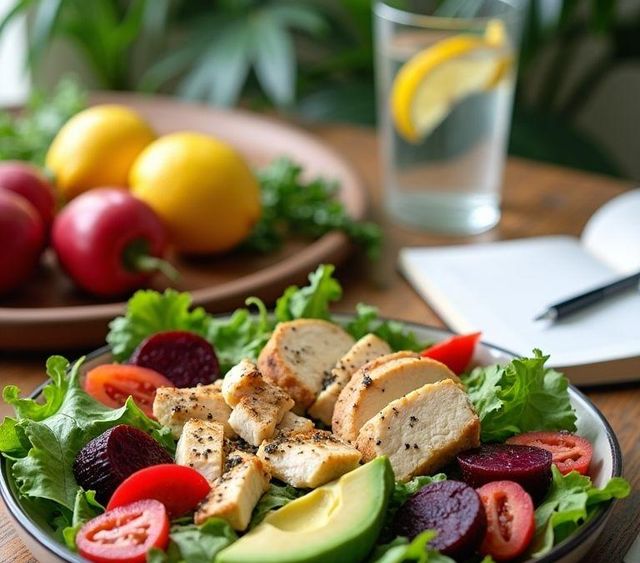
An optimal dietary regimen intended to promote the physiological integrity of the pancreas should incorporate an abundance of low-glycemic-index vegetables, antioxidant-rich seasonal fruits, whole-grain cereals as a source of complex carbohydrates, and both soluble and insoluble dietary fiber alongside polyunsaturated fatty acids from the omega-3 and omega-6 families.
Current scientific evidence strongly suggests that the most beneficial products for this organ are those devoid of artificial additives, preservatives, or highly processed ingredients. Strict adherence to evidence-based healthy eating guidelines—such as those established by leading global nutritional authorities, including the World Health Organization and the European Food Safety Authority—is highly recommended.
It is crucial to emphasize, however, that these recommendations apply exclusively to individuals without pre-existing pancreatic conditions. In cases of acute or chronic pancreatitis, neoplastic diseases, or other dysfunctions of this gland, the unsupervised introduction of even the most nutritious foods may exacerbate clinical symptoms. Under such circumstances, an individualized consultation with a medical specialist—such as a gastroenterologist or clinical dietitian—is absolutely essential to tailor the dietary plan according to the patient’s current health status and any pharmacological contraindications.