Phytic Acid and Its Impact on the Human Body

Mateusz Pawlak
2026-03-17
7 min. read

1 / 1
1 zdjęcie
99
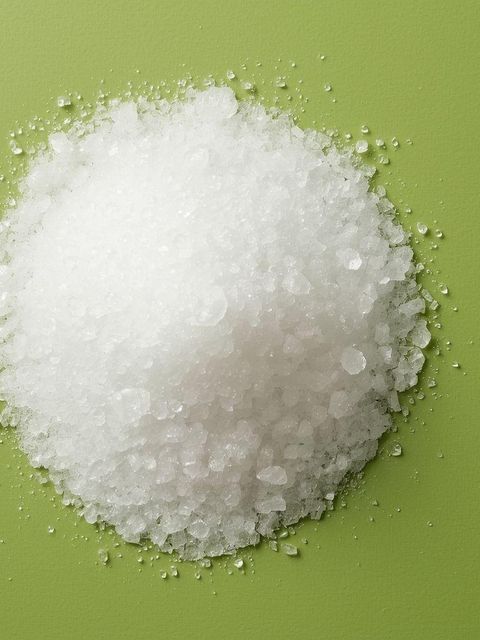
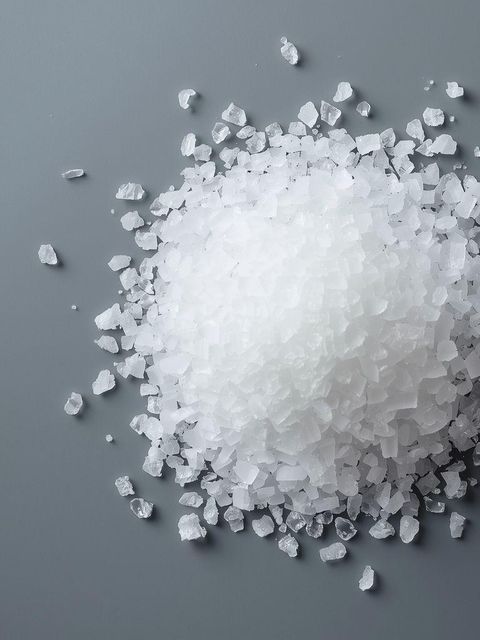
Phytoic acid functions as a reserve material for phosphorus compounds in plant tissues. It is categorized as a natural non-nutritive substance (NSN) that is found in plant-based products. It is often considered a factor that hinders the absorption of nutrients, but this information is not entirely accurate. How does phytoic acid affect the human body?
Food commodities
Fitinic acid is found in significant amounts in the fruit and nutrient layer of certain food products such as corn, peanuts, grains, olives, rice, and sorghum, oilseeds, and seeds of plants, including soybeans. Whole-grain products are therefore rich in fitinic acid, while their refined counterparts have a significantly lower content of this compound. The fitinic acid content in selected food products (g/100 g) is also high in the grain seeds of peanuts, especially in the soybean seeds. The content of fitinic acid in certain food products (g/100 g) is: - corn 6.39, - wheat 2.10-7.30, - wheat bran 1.14-3.39, - rice bran 2.56-8.70, - barley 0.38-1.16, - oats 0.42-1.16, - sorghum 0.18-1.67, - white beans 0.61-2.38, - peas 0.22-1.22, - chickpeas 0.28-1.60, - lentils 0.27-1.51, - soybeans 1.00-2.22, - sesame 1.44-5.36, - almonds 0.35-9.42, - walnuts 0.20-6.69. During the processing of plant raw materials, the amount of fitinic acid decreases. Losses range from 20% during bread production to 50% during baking. Fitinic acid decomposes during storage, fermentation, soaking, germination, or cooking. More than half of the world's population suffers from mineral deficiencies, particularly iron and zinc deficiencies. It is estimated that products rich in fitinic acid, such as grains and dry seeds of legumes, account for about 40-60% of the total caloric intake in humans. The human digestive tract does not possess an enzyme called phytase, which breaks down fitinic acid. Therefore, it is necessary to properly prepare food before consumption to improve the absorption of minerals. There are several methods that can reduce the amount of fitinic acid. These include soaking, cooking, germination, and fermentation. S. E. O. Mahgoub, S. A. Elhag observed that soaking sorghum flour for 24 hours at room temperature reduces the fitinic acid content by 16-21%. C. Vidal-Valverde, J. Frias, I. Estrella, as well as F. Parca, Y. O. Koca, A. Unay have shown that soaking together with cooking significantly enhances this effect. Soaking involves completely immersing the seeds in water for a certain period, which leads to the activation of phytase, which also occurs in plant tissues. Extending the soaking time increases the breakdown of fitinic acid. A study confirmed this - extending the soaking time of chickpeas from 2 to 12 hours resulted in a reduction in content from 47.4 to 55.71%. K. D. Kaur and colleagues showed that germination and fermentation of sorghum seeds at 30°C for 72 hours resulted in an 88.3% decrease in the amount of fitinic acid.
You have started reading a PRO article
You can preview the first chapter. To read the complete article and unlock all content, upgrade to a PRO account.