4 min read
Nutritional guidelines during and after antibiotic treatment

Felix Weber
✓
Diets Premium Expert • 23.10.2026
✓
Scientifically reviewed by a clinical dietitian:
This article has been peer-reviewed for adherence to IŻŻ, WHO, and PTGiP clinical nutritional standards.
| Diets Premium Expert Felix Weber | min read 4 min | Scientifically reviewed by a clinical dietitian 23.10.2026 |

Smart Voice
•Listen to the article content live
0:00
/
0:00
Key Takeaways
Antibiotic therapy is a crucial component in the treatment of various illnesses, with physicians commonly advising the use of these medications for a duration ranging from 3 to 14 days. However, few healthcare professionals are equipped to provide patients with comprehensive dietary recommendations that can prevent adverse effects on the body and expedite recovery following an illness.
Meal Plan
Want to apply these guidelines in your daily diet?
Our smart diet generator creates a tailored meal plan in 3 minutes based on the recommendations in this article.
Diet during antibiotic therapy
Antibiotic therapy can cause significant disruption to the body's microbiome, but through a proper diet and the incorporation of probiotics and beneficial yeasts, we can minimize this risk and accelerate recovery.
Core rules of the diet during antibiotics
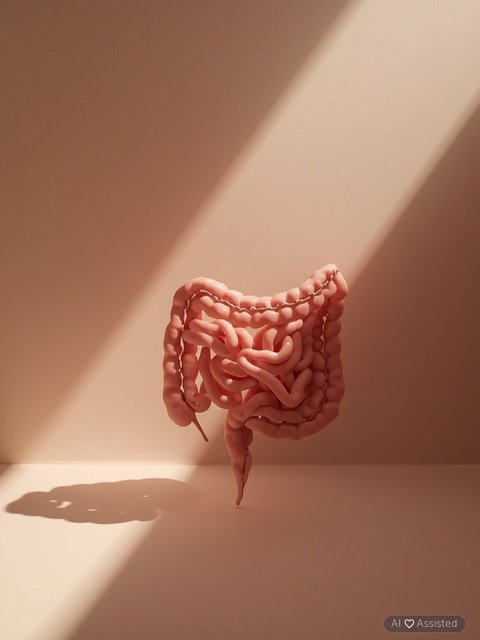
Antibiotics work by inhibiting bacterial growth. However, in addition to eliminating harmful pathogens, they also destroy our body's natural microflora and gut bacteria responsible for digestion and immune functions. While there is no single specialized diet for everyone, a well-balanced diet rich in natural probiotics—such as sauerkraut, pickles, plain yogurt, and kefir—is highly recommended. It is also wise to limit simple sugars to prevent secondary fungal overgrowth. Incorporating garlic, onions, and horseradish can provide additional natural antibacterial support.
Diet after antibiotic treatment
Following antibiotic therapy, many individuals experience gastrointestinal discomfort such as bloating, diarrhea, or nausea due to a weakened bacterial flora. Antibiotic-associated diarrhea is a very common side effect. The most effective method of managing and preventing this condition involves supplementing with probiotics, such as Lactobacillus rhamnosus and Saccharomyces boulardii, alongside fermented foods. The gut microbiota typically requires 2 to 3 weeks to regenerate significantly. A nutrient-dense diet rich in vitamins and minerals helps rebuild the body's immune defenses and accelerates full recovery.
Tags

mgr Felix Weber
✓Diets Premium Expert
Diets Premium team expert. Specializes in nutrition plans, strength sports, and training plans.
View Profile →