PRO
CLINICAL KNOWLEDGE MAGAZINE
7 min read
Nutritional Counseling for the Easter Season

Lena Bauer
✓
Diets Premium Medical Expert • 25.03.2026
✓
Scientifically reviewed by a clinical dietitian:
This article has been peer-reviewed for adherence to IŻŻ, WHO, and PTGiP clinical nutritional standards.
| CLINICAL KNOWLEDGE MAGAZINE CLINICAL KNOWLEDGE MAGAZINE | min read 7 min |
| Diets Premium Medical Expert Lena Bauer | Scientifically reviewed by a clinical dietitian 25.03.2026 |

Smart Voice
•Listen to the article content live
0:00
/
0:00
Key Takeaways
The Easter period is a distinctive time, where the primary components are shared moments with loved ones, cultivating diverse traditions, and consuming holiday dishes. Many individuals contemplate how to maintain a lean physique and at the same time enjoy all the dishes from the Easter feast. Fear of additional kilograms can stir up unease. Can two days of deviation from the ordinary diet spoil previous progress? How can one delight in the holidays and still care for one's figure?
Meal Plan
Want to apply these guidelines in your daily diet?
Our smart diet generator creates a tailored meal plan in 3 minutes based on the recommendations in this article.
PRO Content
PRO
This article is professional premium content (PRO) provided in its entirety.
Easter and nutrition – advice for the mindful
Nutritional errors can stem from a variety of factors. It is often necessary to develop a recommended approach in correct nutrition. There is no need to apply alternative, trendy diets (e.g. low-carb diet, protein, vitamins, and minerals) with high energy intake and a high proportion of saturated fats, sugars, and salt at the same time. These contribute to the development of overweight and obesity. A correct diet is based on a rational approach. There is no need to apply trendy, alternative diets (e.g. low-carb diet, protein, vitamins, and minerals) – they do not cover all necessary nutrients and can harm the body if used long-term. To feel good, you should follow the principles of healthy eating, including: – regular meals, – increasing the consumption of raw vegetables, fruits, and whole-grain products, – limiting simple sugars (e.g. candies), animal fats and salt, – sufficient water intake during the day, – regular physical activity. The process of weight loss and a healthy lifestyle is based on changing eating habits. As for Easter, it is enough to pay attention to the number of meals consumed, remember to move, and follow a few dietary tips that will allow you to enjoy the holidays and take care of your health at the same time.
Conscious food choices, or alternative Easter products
Most Easter dishes can be transformed in such a way that they are somewhat healthier than their original counterparts and at the same time just as tasty. Sometimes it is enough to change one ingredient or proportion or add a larger portion of vegetables. What solutions can be used in this case? Mayonnaise Many people do not imagine salads or eggs without mayonnaise. You don't have to give up on it altogether, just choose the one with a better composition or vegan made from soy sauce or aquafaba (a sauce in which you can also add the seeds of starchy vegetables, this is usually a sweetener). It can even be a half-calorie or even a half-calorie-fat alternative. You can also replace the fat from vegetables or other organics.
Addition of raw vegetables with low calorie content and high satiety effect
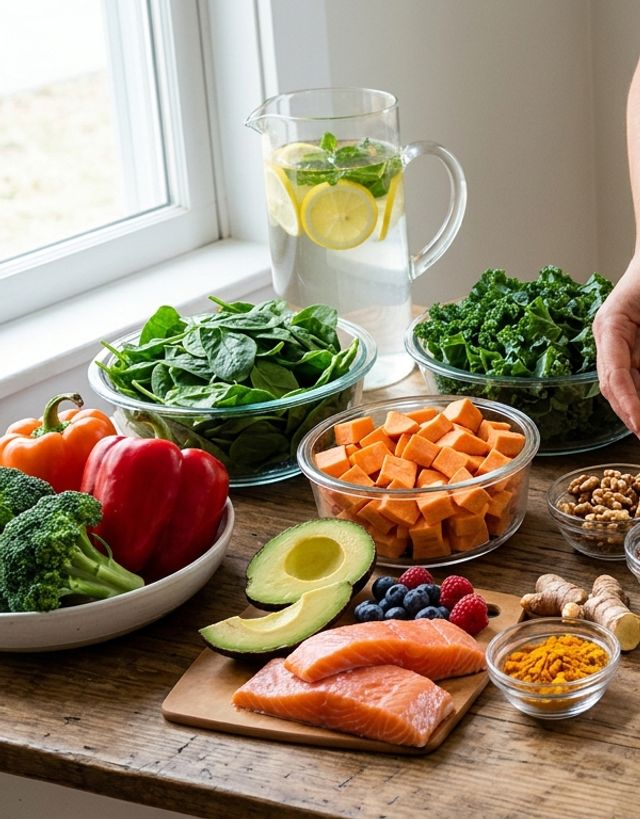
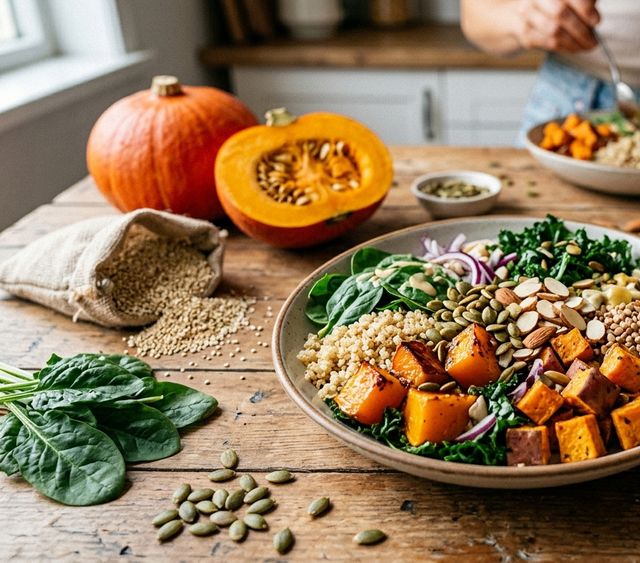
Vegetables are a fundamental component of a balanced diet. They are a source of many vitamins and minerals, including potassium, magnesium, iron, calcium, zinc, phosphorus, B vitamins, beta-carotene, and vitamins C, E, and K. They also provide a significant amount of dietary fiber, which gives a high feeling of satiety. Their calorie content is typically low. The more colorful vegetables in the diet, the better. Pay attention to this every day, even during the holiday season. For example: - Add radishes and parsley to egg paste, - Enrich stuffed eggs with carrots, cucumbers, or celery, - Try vegetable spreads on bread instead of deli spreads, - Choose pastes made from legumes instead of meat pastes, - Ensure vegetables are included in baked goods, such as spinach in muffins or carrots in cakes.
Water - an indispensable component for everything
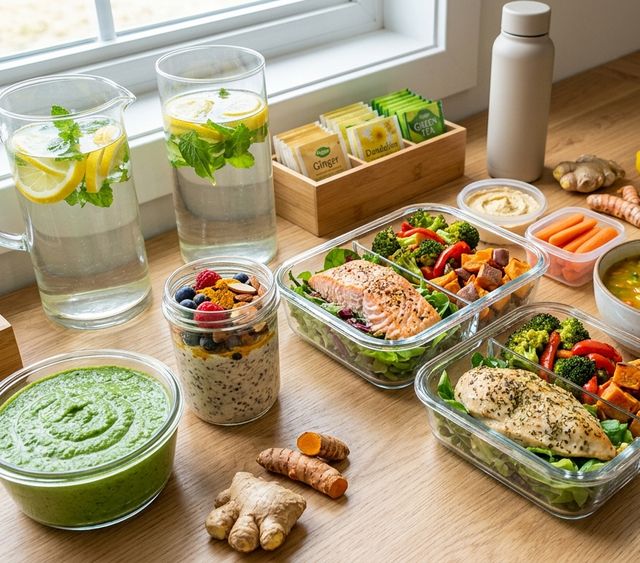
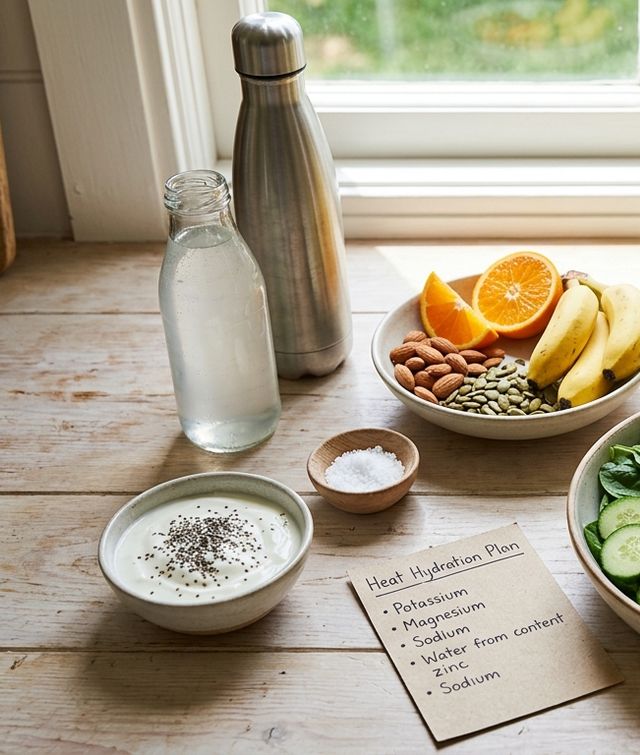
The body's requirement for water depends on various factors such as age, health and physical activity. Consuming adequate fluids regularly is one of the most difficult habits to develop. Some people do not like the taste of water, others forget to drink it, and others do not feel thirsty. This is especially true for older people, but everyone, regardless of age, should pay attention to the signals that the body sends. Even the sensation of thirst can already be a sign of a certain degree of dehydration. Water is an indispensable component of life and makes up the largest part of the body (around 60-70% in adults) and is responsible for enzyme activity, ion transport in the body, improving skin appearance, participating in thermoregulation, and the formation of stool and improving peristalsis in the intestines. During weight loss, drinking large amounts of water can be an effective way to fill the stomach and reduce feelings of hunger. Adequate hydration during Easter can help avoid feelings of fatigue and heaviness. It is worth choosing medium- and high-mineralized waters, which provide additional mineral salts. However, in people with digestive problems, these waters can cause discomfort, in which case it is better to choose low-mineralized or spring waters. Adding ginger, cloves or chamomile can support the digestion of festive dishes. In addition to water, it is also worth drinking herbal teas during Easter, such as Italian basil or caraway seeds, and green tea, which can help alleviate symptoms of heartburn, indigestion and bloating that often occur after rich and heavy meals.
Physical activity during spring holidays
It is advisable to allocate some time for moderate physical activity during the spring holidays. Instead of spending the whole afternoon lying on the couch, it is better to make use of time for some form of movement outdoors. It doesn't have to be an intense cardio or strength training session. However, for mental health reasons, one can consider a relaxing walk or a bike ride with family or friends. Active play time with children or playing with pets can also be considered.
Examples of healthy Easter recipes (Reformulated)
Preparation time: 60 minutes Ingredients (for 15 servings): red lentils 11⁄2 cups, olive oil 1 1⁄2 teaspoons, onions 2 small pieces, garlic 3 cloves, carrots 2 pieces, celery root 1⁄4 piece, tomato concentrate 3 tablespoons, eggs 4 pieces, cold water 2 cups, curry 2 teaspoons, turmeric 1⁄2 teaspoon, red paprika 2 teaspoons, nutmeg a pinch, salt and pepper to taste. Preparation method: 1. Cover the lentils with two cups of cold water and cook until the water is absorbed. 2. Grate the vegetables with a coarse grater. 3. Heat the olive oil in a pan. Fry the vegetables until they soften and turn brown. 4. At the end of frying, add lentils and spices. 5. Mix the resulting mass with tomato concentrate. 6. Line a baking dish with parchment paper. Preheat the oven to 180°C. 7. Beat the eggs and mix with the lentil mass. 8. Pour into the mold and bake for about 40 minutes. Nutritional value (1 serving): energy: 107 kcal, protein: 7.1 g, fat: 3.1 g, carbohydrates: 14 g, dietary fiber: 2.7 g.
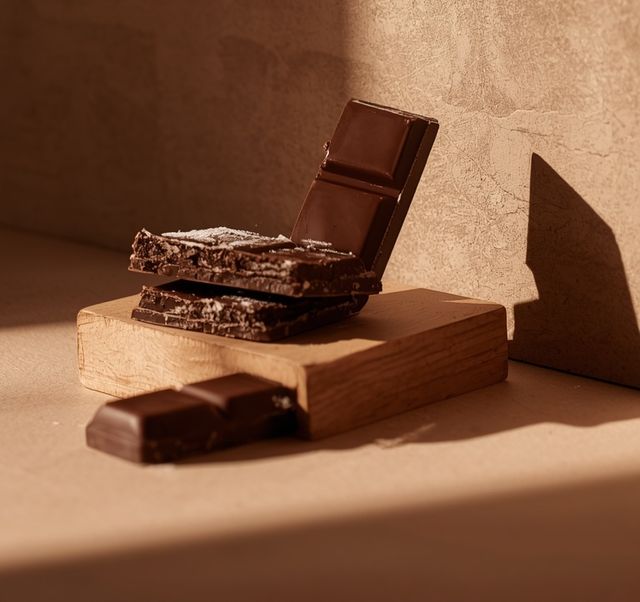
Cake made from Beetroots with Dark Chocolate
Preparation time: 90 minutes. Ingredients (for 10 servings): beetroots – 6 pieces, bananas – 2 pieces, rapeseed oil – 5 teaspoons, bitter chocolate (min. 70% cocoa) – tablets, whole-grain flour – glass, natural cocoa powder – 5 teaspoons, erythritol – 10 teaspoons. Preparation: 1. Boil beetroots, peel, let cool and crush on a fine grater. 2. Mash bananas with a fork. 3. Mix beetroots, oil and bananas in a bowl. 4. Melt chocolate and add to bowl. Mix everything. 5. Add flour, cocoa and erythritol. Mix all ingredients. 6. Line a baking sheet with baking paper. Preheat oven to 180°C. 7. Pour batter onto baking sheet and bake for 40 minutes. After baking time, turn off oven and let cake cool completely. Nutritional value (per serving): energy: 198.4 kcal, protein: 5.8 g, fat: 11.4 g, carbohydrates: 27.9 g, dietary fiber: 8.1 g.
Summary
Easter is an opportunity to celebrate with loved ones, relax, and commemorate the moment. This is not the time to tally calories or strictly adhere to dietary regimens - if you maintain a balanced diet throughout the year, there is no requirement to fret over your diet during the holiday season. However, it is beneficial to acknowledge a few dietary guidelines that will ensure the holidays occur under the banner of health and well-being, and also permit the enjoyment of food.
Lena Bauer
Diets Premium Medical Expert
Member of the Diets Premium clinical editorial board. Specializes in medical diet therapy, metabolic health, and nutritional planning.
View Profile →