PRO
CLINICAL KNOWLEDGE MAGAZINE
7 min read
Meal Preparation During Holidays - How to Get Ready

Oliwia Kaczmarek
✓
Diets Premium Medical Expert • 24.03.2026
✓
Scientifically reviewed by a clinical dietitian:
This article has been peer-reviewed for adherence to IŻŻ, WHO, and PTGiP clinical nutritional standards.
| CLINICAL KNOWLEDGE MAGAZINE CLINICAL KNOWLEDGE MAGAZINE | min read 7 min |
| Diets Premium Medical Expert Oliwia Kaczmarek | Scientifically reviewed by a clinical dietitian 24.03.2026 |

Smart Voice
•Listen to the article content live
0:00
/
0:00
Key Takeaways
A holiday trip does not necessarily have to involve eating meals in hotels or restaurants. Many people, for budgetary reasons or personal preferences, opt for renting an apartment with a kitchen and preparing their own meals during their journey. Below are practical tips on what to look out for and how to prepare for cooking during holidays.
Meal Plan
Want to apply these guidelines in your daily diet?
Our smart diet generator creates a tailored meal plan in 3 minutes based on the recommendations in this article.
PRO Content
PRO
This article is professional premium content (PRO) provided in its entirety.
What to consider before arrival
When booking accommodations, it is advisable to start preparations by checking the kitchen equipment (size of the refrigerator, presence of oven, freezer, and microwave) in the description and photos of the property. In case of any doubts, it is beneficial to contact the owner to confirm the availability of specific amenities. This enables the creation of a better meal plan without the risk, for instance, that a planned dish requires an oven that is not present on site. Additionally, it is worthwhile to familiarize oneself with the area on the map and verify if there is a store nearby for shopping upon arrival. It is important to know whether it is a supermarket or rather a small neighborhood store. In the latter case, the assortment may be limited, and the prices higher than in the supermarket – thus, it is advisable to do larger shopping before departure.
What is worth bringing along on a journey
Our equipment and products that we bring on our journey truly depend on the chosen direction and means of transportation. Naturally, when traveling by public transportation, we minimize the amount of luggage we carry. Similarly, in the case of air travel, however, there arises an additional problem of restrictions on what items we can bring on board. It is worth considering what we use most at home and what will make it easier for us to prepare meals on the spot.
Items worth having on a trip
– A sharp kitchen knife – in many accommodations, a sharp knife is missing, which can be frustrating when cutting more vegetables or meat. It is therefore worth taking a well-tested knife with you, but it must be well secured to avoid accidental cutting. – The hand-held blender (also known as the "giraffe") – takes up little space, but it can make it much easier to cook and customize meals during the trip. With it, you can prepare cocktails, sauces, soups, creams, cakes, etc. It's also worth taking the whisk ends („tracus") to prepare cakes or pancakes. – A frying pan and spatula – in most vacation apartments you can find various frying pans, but they are often a bit worn out. So, if you have space and the opportunity, it's worth taking a well-tested frying pan with a non-stick coating that allows frying without fat. It's also a good idea to bring a rubber or wooden spatula to protect the pan. – Other kitchen utensils – if you have space and the opportunity, you can also take other things like a cutting board, garlic press, grater, strainer or strainer spoon. However, this is not absolutely necessary, as these utensils are often available in the vacation apartment or you can find an alternative. There are also other foods that can be taken along. As mentioned before, most of them can be bought on site, but sometimes it's worth taking a smaller amount from home to avoid extra luggage on the way back. These include: – spices – salt in a small, tightly sealed container; pepper and other spices like basil, oregano, herbs of Provence, sweet paprika, etc. ; – coffee and tea – favorite drinks in the required quantity in a can or glass container; – sugar – if you want to sweeten drinks or prepare a sweet dish, it is worth taking a small amount of sugar in a glass container or in portion packs.
What is not worth having along on a journey
Certain elements of products should not be taken on a journey due to various reasons. These include: foods with a delicate structure, easily perishable foods (e.g. larger quantities of fresh milk products, raw meat and fish or frozen products), the transport of which, even under cold conditions, poses a high risk of spoilage and waste or poisoning if the product is consumed; products with a fragile structure, certain fruits and vegetables during travel can be easily inflamed by accident.
Ideas for Meals during a Journey
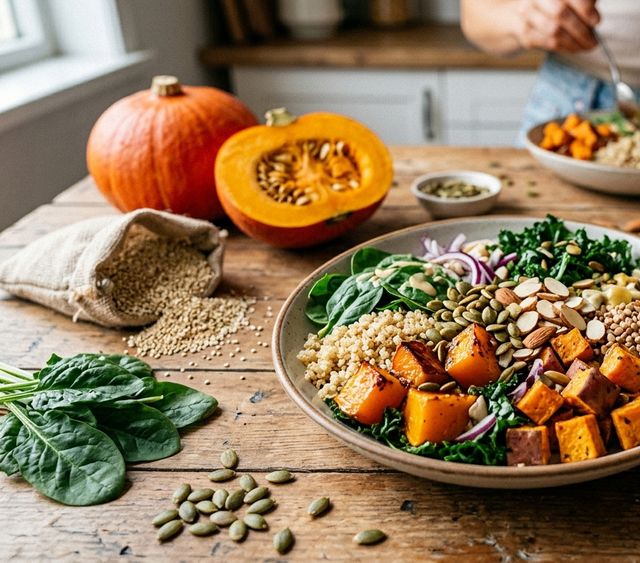
Before leaving for a vacation, it is a good idea to prepare a rough meal plan. It does not have to be a detailed meal plan, but rather a few general suggestions, such as seven dinners, breakfasts, and suppers, if we are going for seven days, to assess what we will need and what we can prepare in advance. We can also consider whether we want to eat in a restaurant during the trip and include this decision in the plan. When it comes to meal planning during a trip, it is recommended to choose the simplest, fastest, and most valuable vegetable dishes that can be prepared or created from the next semi-finished products. It is also important to consider the available equipment (stove, oven, microwave, grill) and the preferences of the travelers to avoid situations where multiple dishes need to be prepared for one meal or several variations of a meal need to be prepared on one day. Among the suggestions, the following can be mentioned: chicken soup, soups based on broth, such as cucumber soup, vegetable soup, broth as a base for cream soup, meaty (e.g. with turkey) or vegetarian goulash, chili-version with meat or beans, pasta with tomato sauce, Bolognese sauce, mushroom sauce, pesto, breaded or fried cutlets with potatoes and salad, roasted pork shoulder or schnitzel, vegetable curry, tortilla with meat or cheese and vegetables, poached eggs with potatoes, chives, and seasonal vegetables, muesli with yogurt and fruit, oatmeal/semolina porridge for breakfast, banana bread (prepared in advance), salads, such as Greek salad.
Summary
The preparation of meals during holidays need not be a burden and require a long time. By applying appropriate organization and devising a plan for fast and proven dishes, one can enjoy free time without having to worry about additional issues. Upon returning from vacation, however, it is worth considering what worked well during leisure time and what less so, and adjust your next strategies accordingly to your expectations.
Oliwia Kaczmarek
Diets Premium Medical Expert
Member of the Diets Premium clinical editorial board. Specializes in medical diet therapy, metabolic health, and nutritional planning.
View Profile →