Meal Plan for Someone Who Consumes Few Meals - How to Boost Your Child's Appetite

Tim Klein
2026-03-25
6 min. read

1 / 1
1 zdjęcie
1916
A significant number of young children go through a period where they eat sparingly, resulting in inadequate food consumption, especially of vegetables and fruits. For numerous parents, this poses a considerable challenge, but there are methods available to help manage this situation.
Why the child does not have an appetite for meals
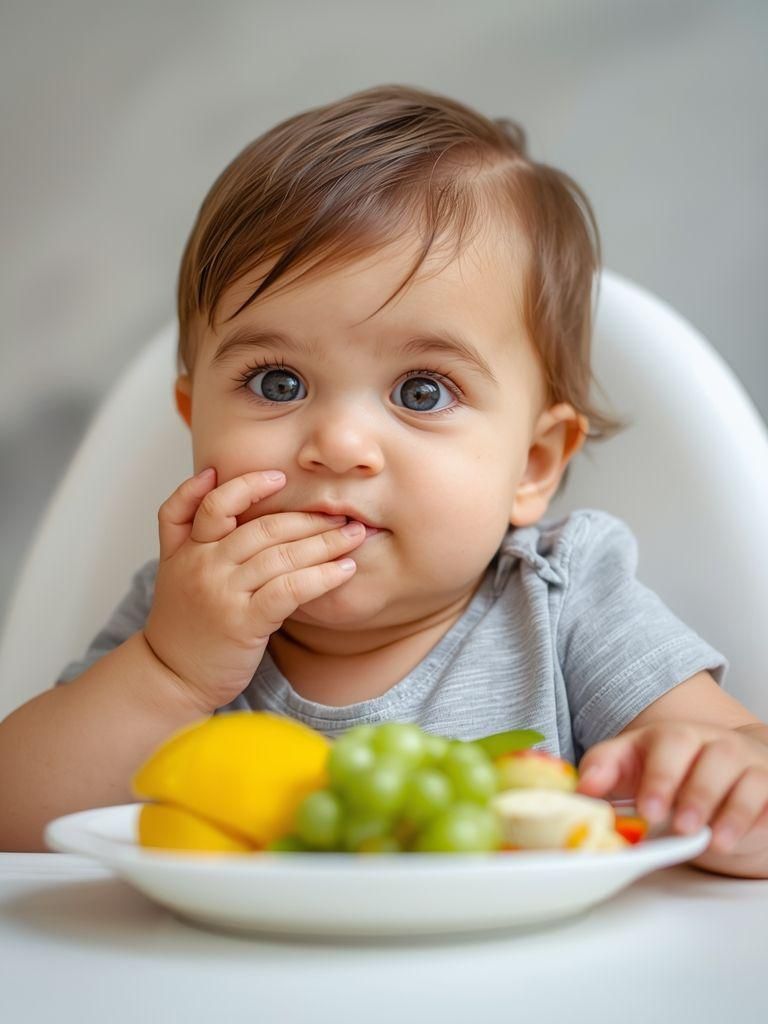
Most parents have at least once encountered a situation where a child does not want to eat, eats too little, or only wants to eat sweets. This can be caused by various factors that vary by age of the child. If a parent notices a child's lack of appetite for food, they should consider possible causes. Initially, attention should be paid to health aspects. Illness can significantly reduce a child's appetite, just like in adults. Other potential factors include digestive disorders, food allergies, and parasitic infections. If the child is physically healthy and not suffering from any illness, the parent should consider other possibilities. It is also important to pay attention to the psychological aspect. A factor that can lead to a reduced desire to eat is stress. It is important not to force the child to eat, as this does not solve the problem, but can even worsen it. Another problem can be eating disorders. Many parents are not aware that anorexia can also occur in school-age, preschool, and infant children. Anorexia in infants differs somewhat from the classic form of the disease. There is no deliberate weight loss, but aversion to eating is observed in children, which leads to developmental disorders. It is important to start treatment as soon as possible and prevent the development of dangerous consequences for health and life. It is also important to provide help to the child's parents, as this can be a difficult time and a great psychological burden. In addition, parents should receive advice on how to deal with their child's problem. A common solution is to follow the dietary recommendations given by a doctor and a dietitian. Sometimes, therapy can be helpful for both the child and the parents (M. Cichecka-Wilk 2021). Aesthetics and type of meals are also important factors in a child's diet. Lack of appetite for food can be caused by monotony and lack of variety in the menu. It is worth ensuring that various products appear in the diet. Their color and method of presentation are significant. Unattractive dishes do not encourage adults or small children to eat.
You have started reading a PRO article
You can preview the first chapter. To read the complete article and unlock all content, upgrade to a PRO account.