PRO
CLINICAL KNOWLEDGE MAGAZINE
6 min read
„Liquid Life Force” – Drinks Elevating Energy Balance

Anna Schmidt
✓
Diets Premium Medical Expert • 20.03.2026
Smart Voice
Listen to the article content live
✓
Scientifically reviewed by a clinical dietitian:
This article has been peer-reviewed for adherence to IŻŻ, WHO, and PTGiP clinical nutritional standards.
| CLINICAL KNOWLEDGE MAGAZINE CLINICAL KNOWLEDGE MAGAZINE | min read 6 min |
| Diets Premium Medical Expert Anna Schmidt | Scientifically reviewed by a clinical dietitian 20.03.2026 |

Key Takeaways
Usually, when we think of „diet” and „calorie content”, we associate them with meals, and the energy derived from them is often meticulously recorded. However, many people overlook that calories can also come from the drinks we consume daily. Which of them have the highest calorie content? What is worth drinking to maintain a healthy energy balance?
Meal Plan
Want to apply these guidelines in your daily diet?
Our smart diet generator creates a tailored meal plan in 3 minutes based on the recommendations in this article.
PRO Content
PRO
This article is professional premium content (PRO) provided in its entirety.
Coffee and tea
Coffee and tea (as well as other herbal beverages) are practically calorie-free products - one glass provides less than 5 kcal. However, the source of energy is provided by added products such as milk, cream or sugar. A tablespoon of sugar (both white and brown) is about 20 kcal, while honey is about 40 kcal. The energy provided depends on the amount used, as black coffee with 50 ml of 2% milk provides less than 30 kcal, while milk-based coffee such as Cappuccino or Latte provides 80 kcal (150 ml) and 160 kcal (300 ml) respectively. Although these values do not seem high, frequent consumption of coffee or tea with additives can significantly affect the daily energy balance.
Hot beverages
Coffee and tea beverages that can be found in coffee shops form a separate product category that has gained immense popularity in recent years. Apart from coffee and milk, they also consist of flavorful syrups based on sugar, whipped cream, or colorful spices. As a result, their energy value is quite high (one serving of around 300 ml can provide up to 250-300 kcal). The same amount of energy is provided by a small meal, such as two slices of rye bread with cheese and vegetables or a piece of cake. Therefore, these beverages should be considered as a standalone meal rather than an addition to dessert. The same applies to hot chocolate, which provides around 250 kcal in a 300 ml serving.
Milk and dairy products
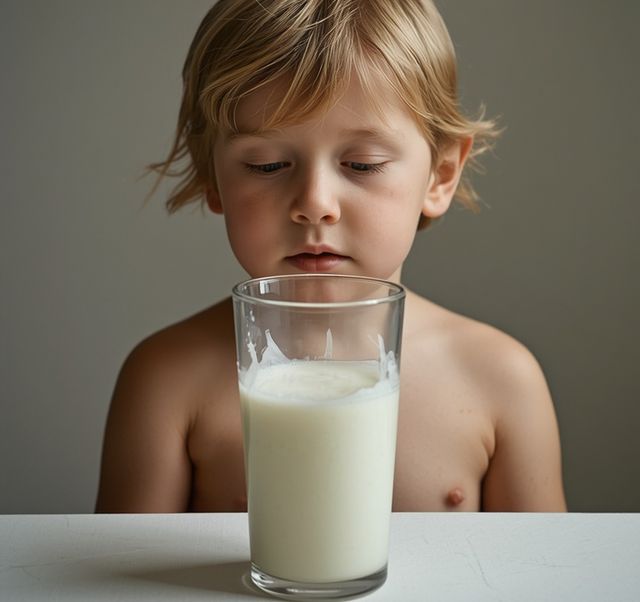
Dairy beverages are a valuable source of nutrients in our diet, providing proteins, calcium, magnesium, or vitamins from the group B. However, dairy beverages also have a certain energy value - a glass of milk with a fat content of 2%, natural yogurt, or oatmeal is about 130 kcal, and kefir and natural skyr drink around 100 kcal. Due to the added value of sugar, these values are even higher for flavored products - chocolate milk delivers 200 kcal in one glass, fruit yogurt 160 kcal, and flavored oatmeal about 180 kcal. However, it is important to emphasize that, in addition to energy, dairy beverages also provide valuable nutrients, so they should not be completely abandoned but rather consumed in moderation. The better choice is a natural product, to which we add fruit ourselves.
Fruit juices and syrups
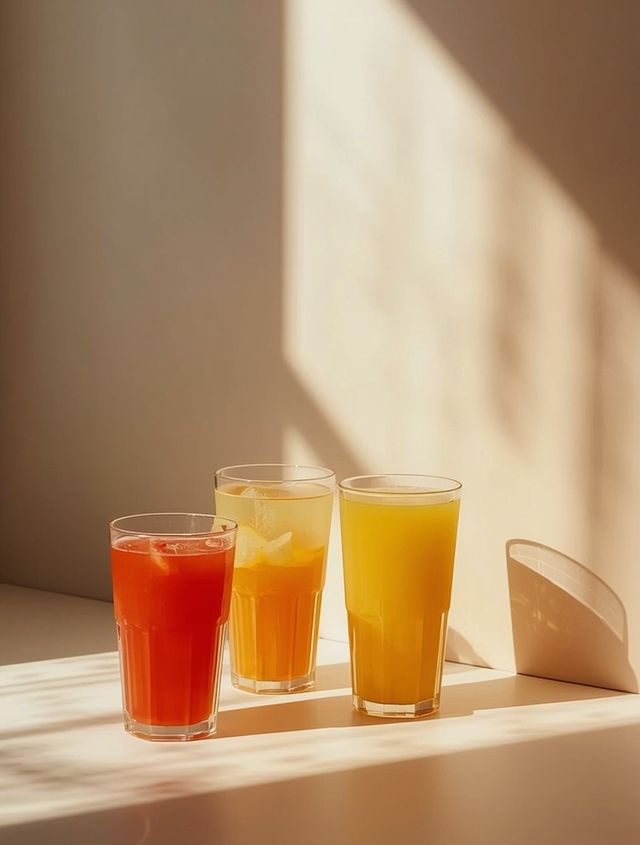
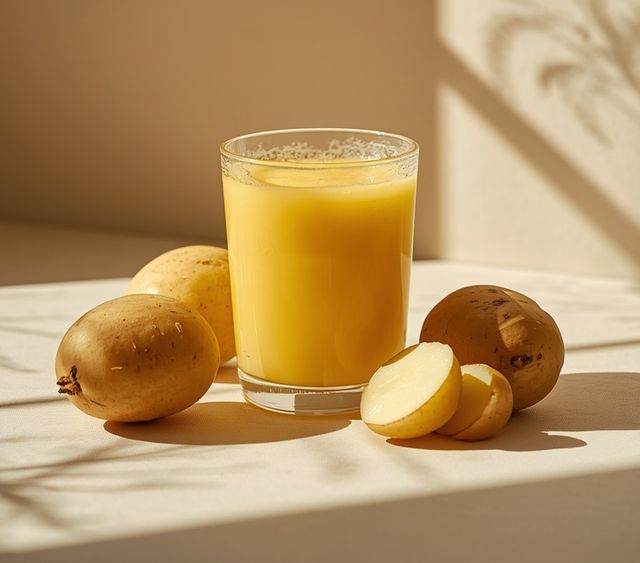
Fruit juices are popular beverages, but frequent consumption can significantly increase the energy balance - a glass provides about 110 kcal and a liter carton almost 450 kcal. According to the law, no sugar or sweeteners can be added to the juices, but it is worth remembering the natural sugars found in fruits, which make them a significant source of sugar in the diet. Yes, they also provide vitamins and mineral ingredients from the fruit they are made from, but it is worth noting that the same nutrients can be found in fresh fruit, which is an additional source of fiber. Another source of sugar and energy are fruit syrups added to water or tea - a spoonful of syrup provides about 30 kcal and 1.5 teaspoons of sugar. A better solution is to add fresh or frozen fruit or herbs to water, which gives it flavor, but does not increase the energy value. Various vegetable juices are also available on the market. Their nutritional value varies depending on the ingredient used. A glass of beet or carrot juice provides about 110 kcal and almost 3 teaspoons of sugar, while tomato juice or vegetable mix (from tomatoes, carrots, celery, beets, peppers, parsley) provides 50 kcal and 1.5 teaspoons of sugar.
Popular carbonated beverages
Carbonated beverages that achieve significant popularity, especially during hot weather. However, their consumption increases the number of calories ingested. A glass of carbonated beverage or orange juice can increase the daily energy balance by about 100–150 kcal. It is important to note that many popular beverages on the market have their counterparts in the version 'zero', i.e. without added sugar. These are indeed less caloric (< 5 kcal in a glass), but mainly consist of sweeteners, flavourings, and colorants. Therefore, they can be considered as products with low nutritional value, which should be consumed only occasionally.
Distillates
Alcoholic distillates also have a certain caloric value. 1 gram of pure alcohol provides 7 kcal. The amount of calories in the drink varies depending on its type - a glass of wine provides about 100 kcal, a glass of beer - 120 kcal and a cup of vodka - 56 kcal, while a serving of whiskey - 110 kcal. It can be noted that consuming several servings significantly affects the energy balance. More calories are provided by drinks, i.e. alcoholic beverages in combination with juices, syrups or drinks. Consuming distillates can lead to a range of health consequences, including disruptions to the digestive, liver, and nervous system, or cancer. Furthermore, distillates have addictive properties. These are further arguments for why the consumption of distillates should be limited as much as possible.
Cocktails and smoothie-style drinks
Cocktails and smoothie-style drinks are a type of beverage based on fruits and/or vegetables. The difference between them lies in the base - in the case of cocktails it is a dairy product (e.g. milk, yogurt, butter) or their plant-based alternatives; smoothie-style drinks are made exclusively from products of vegetable origin, with the addition of ice or juice. Other additives that can be used for their preparation are nuts, seeds, cereal flakes or protein powder. These beverages are usually of high nutritional value (higher than juices) but also have a high calorie content that depends on the type of ingredients. Light smoothie-style drinks can be used as an additional vegetable with a meal, while a nutritious cocktail can serve as a meal replacement.
Which beverages are recommended for consumption
The type of daily beverages consumed depends on the goal of the diet. People who are aiming to reduce body weight should primarily choose non-caloric or low-calorie beverages - water, tea, herbal juices, coffee without additives or slightly milked milk. If the goal of the diet is to gain weight, it is advisable to include cocktail or smoothie drinks with high-energy products in the diet, e.g. nuts or wheat flour milk. This can easily increase the amount of energy supplied by the seeds from the next meal. Beverages are also important in the diet of athletes - depending on the needs, they can reach for juices or specialized beverages that are a quick source of easily accessible energy, or high-protein cocktails that support post-workout recovery. Summarizing, many beverages contain energy value and consuming them in large quantities can contribute to overeating kilocalories and weight gain. Therefore, it is worth choosing them consciously - primarily those with low energy value. In moderate amounts, it is worth including beverages that provide nutrients, dairy products, and smoothies or cocktails. It is recommended to limit beverages with high energy and sugar content (coffee drinks, hot chocolate, juices, syrups, carbonated beverages) and alcohol. It is also important to remember that the recommendations and proportions of different beverages in the diet may vary depending on individual needs and goals.
Anna Schmidt
Diets Premium Medical Expert
Member of the Diets Premium clinical editorial board. Specializes in medical diet therapy, metabolic health, and nutritional planning.
View Profile →