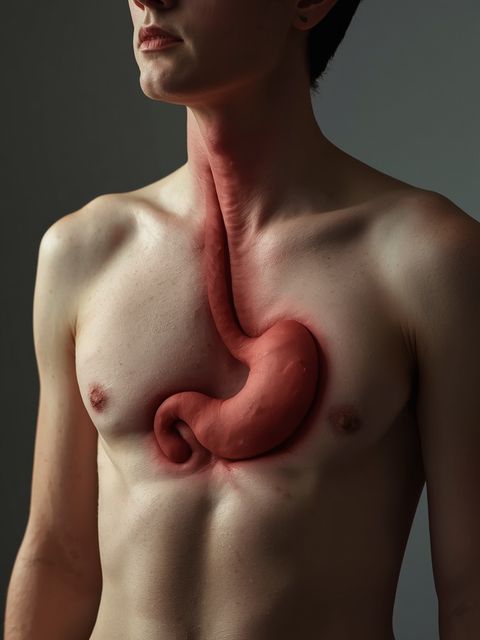
Is It Really Abdominal Bloating? How to Deal with It?

Max Müller
2026-03-23
6 min. read

1 / 1
1 zdjęcie
30
The existence of a certain amount of gut gas in the digestive tract is a physiological phenomenon, but its overproduction results unfortunately in bloating. Hasty consumption of meals, overindulging in portion sizes, and excessive intake of foods rich in gas-producing ingredients significantly contribute to gas accumulation in the body. Introducing several modifications in the daily diet can aid in diminishing these unpleasant symptoms.
Abdominal distension: comprehensive analysis of its nature, underlying mechanisms, and predisposing factors based on contemporary clinical evidence
The phenomenon of abdominal distension primarily arises from the excessive accumulation of intestinal gases, a condition frequently accompanied by a measurable increase in abdominal circumference—an issue that often induces significant psychological and physical discomfort among affected individuals. Epidemiological evidence positions this as one of the most prevalent gastrointestinal complaints prompting patients to seek specialist consultation, a finding corroborated by the 2012 study conducted by Eder and colleagues. Nationwide, this concern affects over 30% of the population, with a notably higher prevalence observed among women compared to men, as documented in the 2016 publication by Gulbicka and Grzymisławski. From a physiological perspective, the total volume of intestinal gas in a healthy individual should approximate 200 milliliters, with nitrogen comprising up to 90% of this volume—a component primarily introduced through the ingestion of atmospheric air. The remaining constituents include oxygen, methane, and carbon dioxide, predominantly generated via fermentative processes occurring within the colon. However, it is critical to emphasize that excessive gas production may also stem from specific pathological conditions, such as irritable bowel syndrome (IBS), small intestinal bacterial overgrowth (SIBO), or food allergies, as highlighted in the 2016 research by Gulbicka and Grzymisławski. Additionally, abdominal distension represents one of the cardinal symptoms associated with constipation, manifesting in nearly 80% of cases involving defecation disorders, a correlation substantiated by the 2011 study conducted by Słomka and Małecka-Panas.
You have started reading a PRO article
You can preview the first chapter. To read the complete article and unlock all content, upgrade to a PRO account.
Tags