3 min read
Garcinia cambogia – What Is It About?

Alicja Kowalska
✓
Diets Premium Expert • 25.09.2026
✓
Scientifically reviewed by a clinical dietitian:
This article has been peer-reviewed for adherence to IŻŻ, WHO, and PTGiP clinical nutritional standards.
| Diets Premium Expert Alicja Kowalska | min read 3 min | Scientifically reviewed by a clinical dietitian 25.09.2026 |
Smart Voice
•Listen to the article content live
0:00
/
0:00
Key Takeaways
Behind the exotic name Garcinia cambogia lies a commonly used ingredient in dietary supplements that is garnering growing interest. The extract from the fruit of this plant is employed in numerous products, but can it adapt to the requirements?
Meal Plan
Want to apply these guidelines in your daily diet?
Our smart diet generator creates a tailored meal plan in 3 minutes based on the recommendations in this article.
Malabar tamarind (*Garcinia gummi-gutta*) – botanical profile and culinary applications
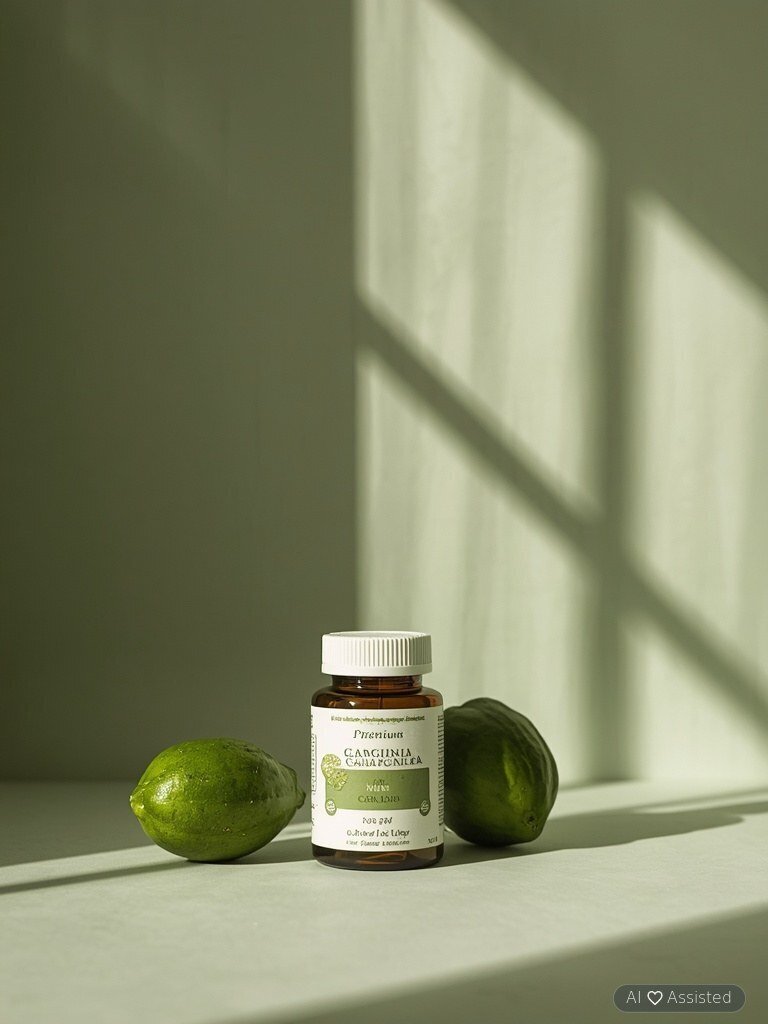
Malabar tamarind, scientifically designated as *Garcinia gummi-gutta* (formerly *Garcinia cambogia*), is a tropical plant cultivated for centuries across Southeast Asian regions, including India, Thailand, and Indonesia. Its distinctive fruits—rounded yet slightly flattened in shape, resembling miniature pumpkins—develop a pronounced sour flavor with a subtle salty-bittersweet undertone upon drying. The dried and powdered pulp has long served as an indispensable component of local cuisine, functioning both as a natural preservative and a flavor-enhancing additive for dishes based on meats (particularly pork and poultry), freshwater and marine fish, vegetables, and fermented products. The fruit’s unique taste profile stems from its high concentration of hydroxycitric acid (HCA), which has also contributed to its growing scrutiny in dietary and nutritional research.
Distinctive attributes and health benefits of *Garcinia cambogia*: A historical and evidence-based perspective
The fruits of the *Garcinia cambogia* tree offer far more than just a distinctive culinary experience—their therapeutic potential was recognized centuries ago in Ayurvedic medicine, where they were employed to alleviate rheumatic disorders, cardiovascular ailments, and gastrointestinal disturbances. In contemporary practice, extracts derived from this plant are predominantly marketed as adjuncts in weight-management formulations; however, their nutritional profile warrants equal attention. The fruits serve as a rich repository of antioxidant compounds, including vitamin A (retinol) and vitamin C (ascorbic acid), which mitigate oxidative damage by scavenging free radicals, thereby safeguarding cellular integrity and decelerating the aging process. Furthermore, the B-vitamin complex—comprising thiamine (B₁), riboflavin (B₂), niacin (B₃), and folic acid (B₉)—plays an indispensable role in sustaining neurological function, bolstering immune defense mechanisms, facilitating erythropoiesis (via hemoglobin synthesis), and regulating lipid metabolism as well as DNA replication. The mineral constituents of *Garcinia cambogia*, such as calcium (critical for bone mineralization and osteoporosis prevention), iron (essential for oxygen transport and anemia prophylaxis), magnesium (enhancing cognitive performance, including memory and focus), and zinc (modulating thyroid hormone activity and promoting tissue repair), establish it as a valuable component of a nutritionally balanced diet.
Body mass reduction via botanical extracts: biochemical pathways and efficacy
Garcinia cambogia fruit extract contains hydroxycitric acid (HCA), a bioactive compound that has been investigated for its potential to enhance thermogenesis—the metabolic process by which the body generates heat and expends energy. The primary mechanism of HCA involves the inhibition of ATP citrate lyase, an enzyme critical for converting citrate into acetyl-CoA, thereby suppressing the de novo lipogenesis pathway (the biochemical conversion of carbohydrates into fatty acids). Additionally, HCA exhibits anorectic properties by modulating central nervous system serotonin levels, which may lead to appetite suppression and improved mood regulation. Classified as a thermogenic agent, HCA is hypothesized to accelerate lipid oxidation under conditions of adequate energy intake and physical activity, though further clinical validation remains necessary to fully establish its efficacy.
Garcinia cambogia extract supplements: availability, quality indicators, and safe purchasing guidelines
Products containing extract from the fruit of Garcinia cambogia are widely available across various retail channels—ranging from brick-and-mortar pharmacies and sports nutrition stores to numerous e-commerce platforms. The pricing of these supplements exhibits significant variation, starting at around a dozen złoty for basic formulations and exceeding 100 złoty for more advanced compositions. Prior to purchase, a thorough examination of the product’s ingredient profile and the credibility of the distributor is strongly advised, as untested or non-certified supplements may contain hazardous chemical contaminants. To mitigate the risk of acquiring a substandard preparation, it is recommended to opt for higher-priced products from reputable manufacturers or to source them through trusted retailers—particularly pharmacies, which are subject to stricter quality oversight. The Polish market hosts a multitude of manufacturers offering Garcinia cambogia-based dietary supplements; thus, before making a selection, particular attention should be paid to the concentration of the active compound, hydroxycitric acid (HCA). Its content per single dose can vary substantially depending on the brand—from as little as 10 mg to up to 350 mg in the most potent formulations.
Contraindications and Restrictions for Thermogenic Supplement Use: Critical Safety Considerations
Dietary supplements containing thermogenic compounds must be used with caution and under the guidance of a qualified healthcare professional or nutrition specialist. Their consumption is strictly contraindicated for women who are pregnant or breastfeeding, as well as for individuals diagnosed with eating disorders such as anorexia nervosa or bulimia. Patients with chronic cardiovascular conditions—including hypertension, arrhythmias, or heart failure—as well as those with pre-existing liver dysfunction should avoid these supplements due to the risk of exacerbating underlying health issues. Documented cases of acute toxic liver injury following the ingestion of *Garcinia cambogia* extract highlight the necessity for heightened vigilance. Prior to initiating supplementation, it is imperative to thoroughly review the product’s packaging insert, with particular attention to sections detailing the composition, contraindications, and recommended daily dosages. Adherence to the manufacturer’s instructions regarding dosage and frequency is critical, as exceeding the maximum daily intake may result in severe adverse health effects. Although *Garcinia cambogia* extract is frequently marketed as an effective aid for fat metabolism, its safety and efficacy remain subjects of ongoing scientific debate. It is essential to recognize that the use of metabolism-accelerating substances should be complemented by a well-balanced, calorie-restricted diet and regular physical activity tailored to individual capabilities. Without the integration of these two fundamental components, any efforts aimed at achieving sustainable weight loss are likely to prove ineffective or transient in nature.

Alicja Kowalska
✓Diets Premium Expert
Diets Premium team expert. Specializes in nutrition plans, strength sports, and training plans.
View Profile →