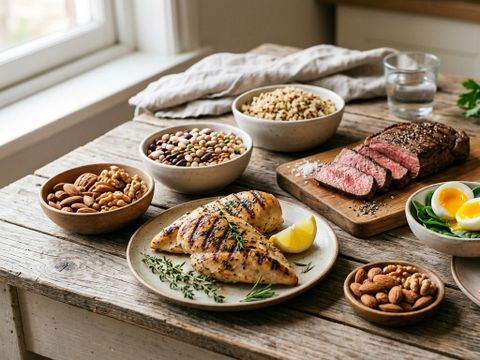
Four dietary proposals for a better mood!

Max Müller
✓
Diets Premium Expert • 23.10.2026
✓
Scientifically reviewed by a clinical dietitian:
This article has been peer-reviewed for adherence to IŻŻ, WHO, and PTGiP clinical nutritional standards.
| Diets Premium Expert Max Müller | min read 1 min | Scientifically reviewed by a clinical dietitian 23.10.2026 |

Smart Voice
•Listen to the article content live
0:00
/
0:00
Key Takeaways
The connection between diet and mental well-being, known as the gut-brain axis, is one of the most groundbreaking discoveries in modern nutritional psychiatry. The foods we consume directly modulate neurotransmitter synthesis, neuroinflammation, and emotional resilience. Here are four evidence-based dietary strategies designed to elevate mood, reduce psychological fatigue, and optimize neurological health.
Meal Plan
Want to apply these guidelines in your daily diet?
Our smart diet generator creates a tailored meal plan in 3 minutes based on the recommendations in this article.
Tryptophan and Complex Carbohydrates: The Bedrock of Serotonin
Serotonin, widely known as the neurotransmitter of well-being, is synthesized from the essential amino acid tryptophan. For tryptophan to successfully cross the blood-brain barrier, complex low-glycemic carbohydrates (oats, buckwheat, whole rye) are vital, triggering a modest insulin release that clears competing amino acids. Exceptional dietary sources of tryptophan include pumpkin seeds, free-range poultry, eggs, and aged cheeses.
Omega-3 Fatty Acids: Structural Neuroprotection and Mood Elevation
Eicosapentaenoic acid (EPA) and docosahexaenoic acid (DHA) are indispensable structural components of neuronal membranes. They mitigate neuroinflammation and facilitate synaptic neurotransmission. Regular consumption of oily cold-water fish (wild salmon, mackerel, sardines), flaxseed, and walnuts is robustly associated with lower incidences of depressive symptoms and emotional volatility.
Probiotics and Fermented Foods: Nurturing the Gut-Brain Axis
The gastrointestinal tract synthesizes upwards of 80% of systemic serotonin, maintaining constant bidirectional communication with the brain via the vagus nerve. Incorporating natural probiotics (kefir, bio-yogurt, sauerkraut, fermented pickles, kimchi) fosters microbial diversity, reduces baseline cortisol output, and shields against mental fatigue.
Magnesium and B-Complex Vitamins: Biochemical Nervous System Calm
Magnesium acts as a physiological NMDA receptor antagonist, preventing neuronal excitotoxicity and neurological burnout. Synergizing with vitamins B6, B9 (folate), and B12, it enables the methylation cascades essential for dopamine synthesis. Excellent choices include dark leafy greens, raw cocoa, almonds, and legumes.
Tags

mgr Max Müller
✓Diets Premium Expert
Diets Premium team expert. Specializes in nutrition plans, strength sports, and training plans.
View Profile →