Fermentation Delicacy from South Korea - Kimchi

David Janitzek
2026-03-15
6 min. read

1 / 1
1 zdjęcie
69
In recent years, global cuisine has gained increasing popularity among Poles. One of the interesting trends is Korean cuisine, renowned for its many fragrant dishes, among which kimchi cannot be missed. This fermentation delicacy, full of intense aromas, not only satisfies the palate but also enriches the diet and shows numerous health advantages.
"What precisely is kimchi?"
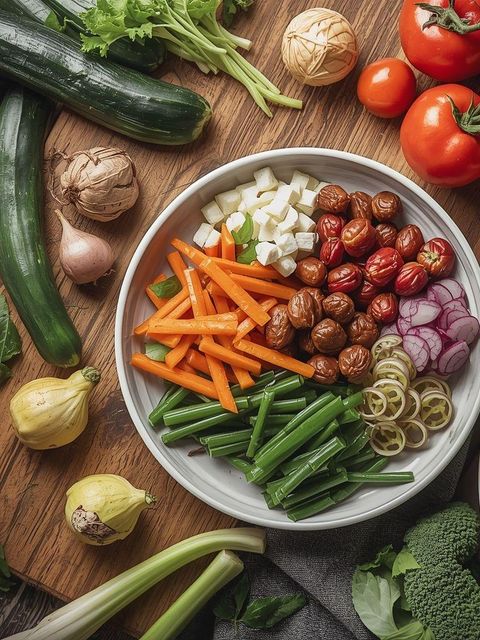
Kimchi is a true gem of Korean cuisine, consisting mainly of sour pickled cabbage and spicy seasonings. Although there are many different variations, the most popular and well-known is baechu kimchi, which is based on Chinese cabbage. During the preparation, the cabbage undergoes a fermentation process in brine, enriching it with the essences of garlic, ginger, chili peppers, mustard, onions, cinnamon, and fish sauce, as well as other ingredients that vary depending on the region and culinary preferences. Often, mushrooms, vegetables (such as leek and carrots), fruits, grains (mostly rice and barley), as well as meat and seafood are added, lending the dish an extremely rich flavor. The fermentation process not only influences the intense taste of kimchi but also ensures its longevity. Kimchi is a popular component of Korean dishes, but also an indispensable element of Korean culture and cuisine. Consumed daily by millions of Koreans, it is now gaining followers around the world (J. K. Petra et al. 2016).
You have started reading a PRO article
You can preview the first chapter. To read the complete article and unlock all content, upgrade to a PRO account.