PRO
CLINICAL KNOWLEDGE MAGAZINE
6 min read
Enhancing Immunity – How to Do It?

Oliwia Kaczmarek
✓
Diets Premium Medical Expert • 23.03.2026
✓
Scientifically reviewed by a clinical dietitian:
This article has been peer-reviewed for adherence to IŻŻ, WHO, and PTGiP clinical nutritional standards.
| CLINICAL KNOWLEDGE MAGAZINE CLINICAL KNOWLEDGE MAGAZINE | min read 6 min |
| Diets Premium Medical Expert Oliwia Kaczmarek | Scientifically reviewed by a clinical dietitian 23.03.2026 |

Smart Voice
•Listen to the article content live
0:00
/
0:00
Key Takeaways
The autumn-winter period is the time of year when our body is most susceptible to a weakening of immunity. A deficiency of micronutrients such as vitamins and minerals can have a negative impact on the functioning of the immune system and thus impair immunity. Furthermore, the microbiological balance of the digestive tract plays a crucial role in the formation of immunity. Therefore, providing an adequate dose of vitamins, minerals, antioxidants, and substances that support digestive function is essential in maintaining immunity.
Meal Plan
Want to apply these guidelines in your daily diet?
Our smart diet generator creates a tailored meal plan in 3 minutes based on the recommendations in this article.
PRO Content
PRO
This article is professional premium content (PRO) provided in its entirety.
What is the significance of disease resistance?
Disease resistance refers to a state of resilience against pathogens. An appropriate level of immunity is contingent upon the state of the immune system, which is composed of specialized cells such as lymphocytes or macrophages, and organs like lymph nodes. The proper functioning of natural barriers, such as skin and mucous membranes that are part of the respiratory and digestive systems, is also of paramount importance.
Factors responsible for weakened immune system
– Constant psychological pressure. – Insufficient diet, lacking in fresh fruits and vegetables. – Lack of physical movement. – Sleep deficiency. – Excessive consumption of antibiotics. – Addictions such as alcohol and smoking. – Advanced age.
Impaired immunity and psychological stress
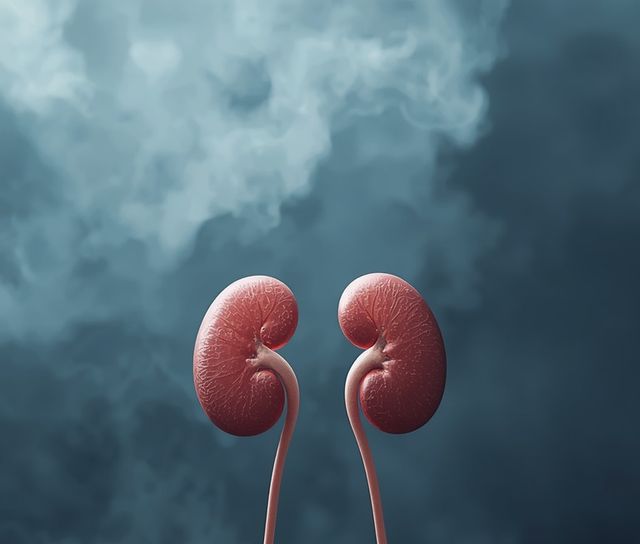
Prolonged psychological stress exerts a detrimental effect on immune system operation as it causes the release of cortisol, the stress hormone, by the kidneys. Cortisol exhibits immunosuppressive action, which maintains a state of inhibition of immune function. Consequently, individuals who are exposed to prolonged psychological stress and are unable to cope with it may be more susceptible to catching a cold.
Consequences of compromised immunity
The consequences of compromised immunity can be very serious if we have inherited immune deficiencies. However, if our immunity is slightly and temporarily compromised, we are usually at risk of catching a common cold. But what exactly is a cold? The common cold is the most frequent reason for patients to visit the primary care physician in developed countries. It is a disease caused by viral infection of the upper respiratory tract, resulting in inflammation of the mucous membrane, rhinitis, headache and sore throat. We get infected with the virus through droplet transmission or through contact with the secretions of the sick person, which, after contact with the mucous membrane of the respiratory system, enter the cells, multiply and are responsible for the symptoms of the cold.
The role of the digestive tract and gut flora in sustaining immunity
The majority of the immune system cells are located in the digestive tract, in the lymphatic tissues associated with the digestive system, which are collectively referred to as GALT. The digestive tract is one of the largest concentrations of immune system cells in the body and is increasingly recognized as the body's immunological center. Recent research has shown that the microorganisms living in the digestive tract play a crucial role in shaping human immunity. In order to boost the immune system of the digestive tract, it is important to maintain microbial balance by consuming products with prebiotic properties, which promote the growth of beneficial bacteria, as well as probiotics (products containing beneficial microorganisms). The best natural sources of probiotics are fermented vegetables such as sauerkraut, pickles, beets, cauliflower, but you can ferment anything. Additionally, lactic acid and fermented dairy products are also sources of probiotics. It is always important to pay attention to the quality of ready-made products and to prepare them yourself at home. Prebiotics, which serve as food for gut bacteria, come from the roots of chicory, Jerusalem artichoke, leek, onion, asparagus, and bananas.
How can we enhance our disease resistance?
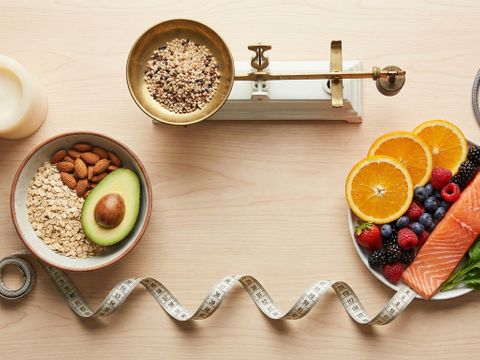
Fortifying disease resistance is key during the autumn-winter period, when our body is particularly vulnerable to infections. To enhance our disease resistance, we need to ensure a balanced diet, which is the foundation for the proper functioning of the immune system. Our diet should include an adequate amount of fruits and vegetables that are rich in antioxidants and phytocompounds, as well as micronutrients such as minerals and vitamins, which act by inhibiting inflammatory reactions in the body and neutralizing harmful free radicals.
Ascorbic Acids and their Salts
Ascorbic Acid, also known as Vitamin C, is an effective antioxidant that is found in high concentrations in immune cells and is consumed during their activity. Although clinical studies have not confirmed that Ascorbic Acid supplementation strengthens immunity, it has been shown that its use during a cold can shorten its duration. In particular, it is recommended to consume products rich in Ascorbic Acid or its supplementation for individuals at risk of deficiency, such as smokers or those who engage in intense physical activity, such as marathon runners.
Rutin - a natural flavonoid compound with antioxidant properties
Rutin is a natural flavonoid compound that possesses antioxidant properties. It decreases the permeability of blood vessels and increases their flexibility, making it difficult for microbes to penetrate the body. Rutin also slows down the oxidation process of vitamin C, prolonging its effect, which is why it is often offered as a supplement in combination with vitamin C. Moreover, rutin can regulate the function of the immune system. Sources of rutin include buckwheat and amaranth, among others.
Cholecalciferol and its salts
In spite of the fact that clinical trials have not proven the effectiveness of vitamin D3 supplementation in preventing colds, many studies have shown that vitamin D3 influences the functioning of the immune system, and its deficiencies are associated with cancers, autoimmune diseases, and allergies. Vitamin D3 is primarily produced in the skin under UV radiation. Therefore, it is particularly important during the autumn-winter period, when there are fewer sunny days, to ensure an adequate intake of vitamin D3 from food. Rich sources of vitamin D3 include fatty fish, cod liver oil, and eggs.
Selenium and its compounds
Selenium plays a pivotal role as a component of enzymes responsible for the neutralisation of free radicals. Scientific research indicates that a selenium deficiency may slow down the body's response to bacteria and viruses. Sources of selenium include, among others, salmon, chicken eggs, buckwheat, and cocoa.
Cinnamon
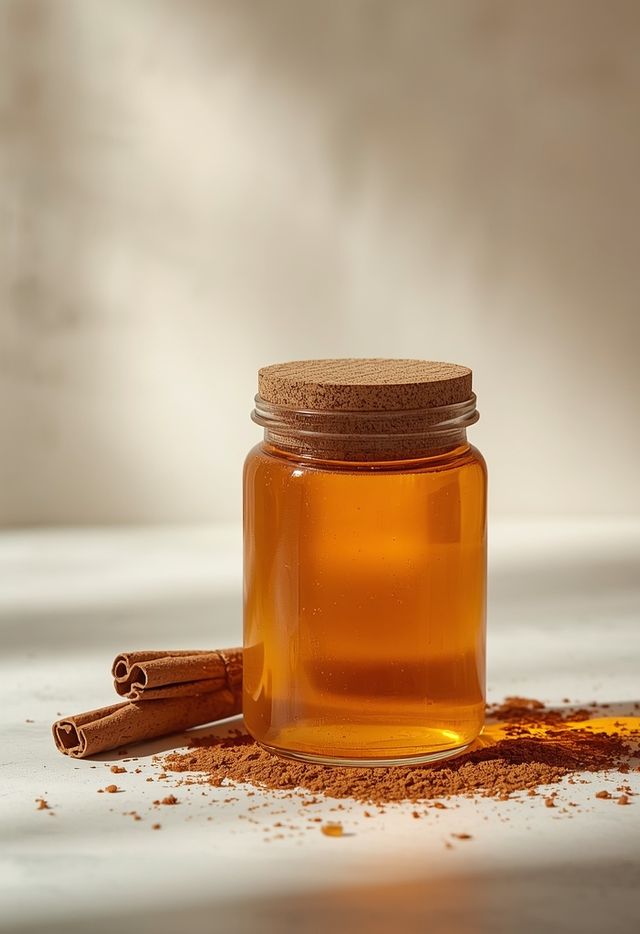
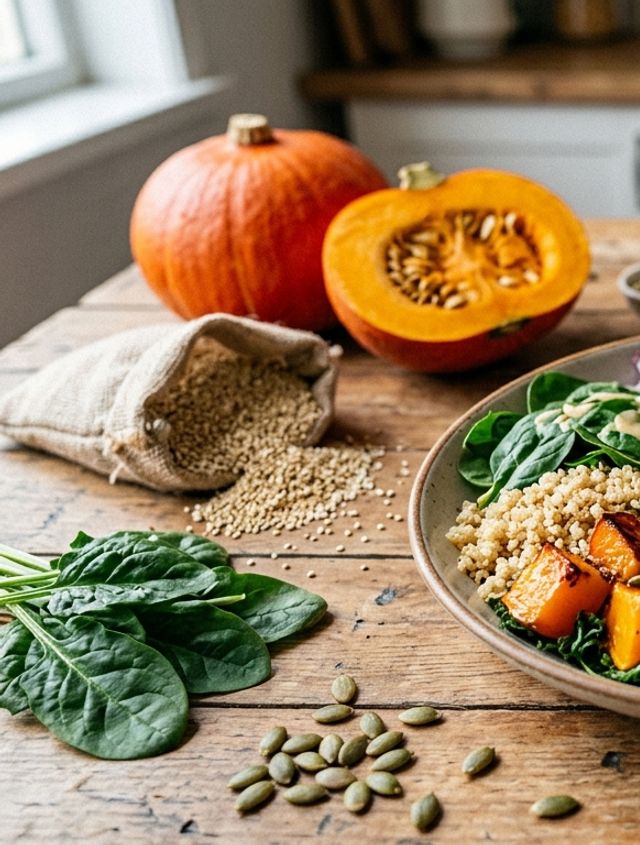
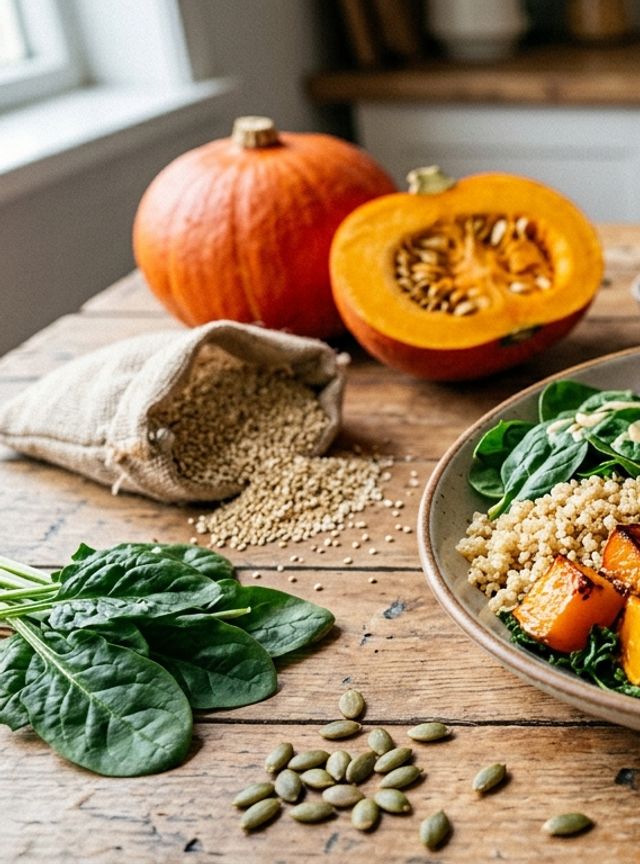
Cinnamon, akin to selenium, is a critical component of enzymes with antioxidant properties. Cinnamon significantly impacts the function of T and B lymphocytes and others. Clinical studies have demonstrated that cinnamon can provide protection against colds for children. Cinnamon is abundant in oysters, beef, wheat sprouts, and pumpkin seeds.
Kolczanka - a plant from the astrocyte family
Kolczanka, also known as echinacea, is a plant with many therapeutic applications. It improves the functioning of the immune system by stimulating macrophages, cells responsible for destroying pathogens and stimulating the immune response. Kolczanka also promotes the reduction of cold symptoms and shortens the duration of its illness. There are three species of kolczanka available in the market: purpurea, narrow-leaved, and pale.
Sanitation
Sanitation is a shrub characterized by anti-inflammatory, antibacterial, and antiviral properties. It is primarily ingested as infusions prepared from leaves and flowers.
Garlic Clove
Garlic Clove is widely recognized for its immunity-boosting properties and is known as a 'natural antibiotic'. It has been shown that people who slept irregularly or infrequently, such as shift workers, are more susceptible to infections. This is likely due to the fact that sleep deprivation decreases the activity of immune cells, such as lymphocytes and macrophages, and increases the synthesis of pro-inflammatory molecules. Compounds found in garlic clove, such as sulfur compounds like allicin, have antiviral, antifungal, and antibacterial properties. Furthermore, regular and moderate physical activity has been shown to reduce the risk of bacterial and viral infections by reducing inflammation. However, it is important to note that excessive physical activity and competitive sports may have the opposite effect on the immune system by stimulating the release of cortisol and pro-inflammatory factors.
Oliwia Kaczmarek
Diets Premium Medical Expert
Member of the Diets Premium clinical editorial board. Specializes in medical diet therapy, metabolic health, and nutritional planning.
View Profile →