PRO
8 min read
Christmas in Poland – Culinary Journeys through Local Traditions

Oliwia Kaczmarek
✓
Diets Premium Expert • 15.03.2026
✓
Scientifically reviewed by a clinical dietitian:
This article has been peer-reviewed for adherence to IŻŻ, WHO, and PTGiP clinical nutritional standards.
| Diets Premium Expert Oliwia Kaczmarek | min read 8 min | Scientifically reviewed by a clinical dietitian 15.03.2026 |

Smart Voice
•Listen to the article content live
0:00
/
0:00
Key Takeaways
Christmas is a unique time in Polish tradition, combining family gatherings, caroling, and sharing in symbolic dishes. Polish Christmas cuisine is extremely diverse, with its richness stemming from local traditions and ingredients that have shaped the holiday menu in different regions of the country over centuries. It is worth exploring this wealth of flavors and being inspired by the ways other regions celebrate this special evening.
Meal Plan
Want to apply these guidelines in your daily diet?
Our smart diet generator creates a tailored meal plan in 3 minutes based on the recommendations in this article.
PRO Content
PRO
This article is professional premium content (PRO) provided in its entirety.
A shared custom of twelve dishes
In Poland, the tradition of consuming twelve dishes during Christmas is deeply rooted in a symbolic context. This number refers to two key elements: twelve months in a year and twelve apostles. It was believed that partaking of such a large number of dishes during the Christmas dinner would bring good fortune and success throughout the ensuing year. Nowadays, this tradition is still observed in numerous Polish households, and each dish possesses its own, unique significance.
Traditional Christmas dishes that are characteristic of many Polish households
In Poland, Christmas has a unique character when tradition is combined with symbolism. Although each region of the country offers its own specific flavors and dishes, there are dishes that can be considered characteristic of the entire country. Their occurrence in different versions testifies to the unity of Christmas traditions despite regional differences in the way of preparation or serving.
Traditional Christmas borscht
During the Christmas season, the traditional soup cannot be missed, which forms the heart of the festive meal. In many households in Poland, red borscht with ears filled with mushroom or sauerkraut filling is served. However, other soups such as mushroom, fish or fasting acid soup are also very popular - all of them are not only delicious and light, but also full of symbolism. The warmth and flavor of these dishes are meant to bring health, and their intense colors, such as in the case of borsch, can symbolize life and love.
Pierogi - A Traditional Polish Dish
Pierogi is an indispensable part of Polish cuisine, and their Christmas version with cabbage and mushrooms, or buckwheat groats, is present in almost every home. These delicate dumplings filled with savory filling are a combination that has many times delighted the taste buds of Poles. In many families, pierogi have not only a culinary but also a symbolic significance - they are associated with the tradition of joint preparation and subsequent joint enjoyment.
Carpfishes
Carpfishes are a family of fish that play a pivotal role in Polish Christmas traditions. They are prepared in various ways – fried, baked, cooked in jelly, or served in other variations. Their popularity increased after World War II and during the PRL, when they were inexpensive and easily accessible, and the authorities promoted them as an element of the Christmas menu. Today, despite their pragmatic origin, they are closely associated with Christmas and have become the Polish symbol of Christmas celebrations (M. Rudzka 2024).
Holiday beverage made from dried fruits
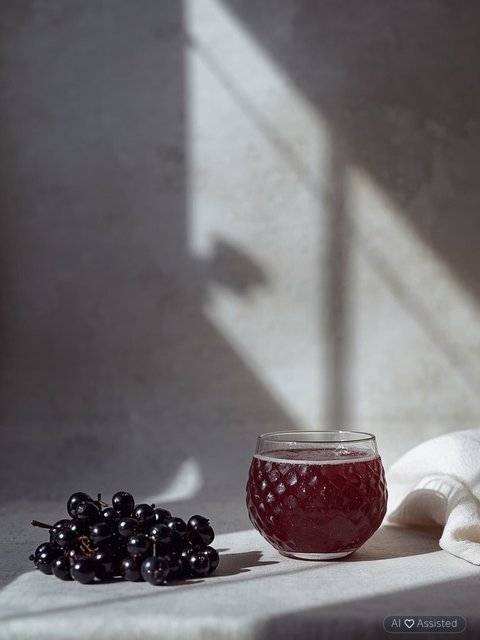
This unique holiday beverage is crafted from dried fruits such as plums, apples, pears, or apricots. The dried fruit drink excellently quenches thirst and also aids digestion after a hearty holiday feast.
Cabbage, often offered with the inclusion of dried mushrooms or pickled cucumbers
Cabbage, frequently served with dried mushrooms or pickled cucumbers, is another dish that unites the entire Polish society. It is offered as an accompaniment to fish, pierogis, or as a standalone dish among the twelve Christmas dishes.
Pudding/noodles with poppy seeds
Poppy seeds, symbolizing fertility and prosperity, play a significant role in the Christmas menu. In numerous areas, Pudding - a blend of wheat, poppy seeds, honey, and bakalii - is a mandatory dish on the table, whereas in other regions, noodles with poppy seeds, i.e., noodles mixed with poppy seed paste and bakalii, are favored.
Diverse fish varieties on the holiday table
Besides the classic carp, the holiday table also features various other fish species, such as herring marinated in oil, cooked in cream sauce, or served with onions. Pike and walleye are also highly popular, and in some households, fish is prepared in the Greek style.
Honey, ginger, and poppy seed cake
Among the traditional sweet Christmas dishes, honey, ginger, and poppy seed cake take the lead. Gingerbread is one of the oldest Polish cakes, whose history dates back to the Middle Ages. Its name comes from the old Polish word pierny, meaning peppery or spicy - a reference to the intense spices that give the cake its characteristic flavor.
Traditional regional holiday dishes
Although numerous similar cultural elements exist throughout the country, many regions in Poland boast unique culinary traditions during the Christmas season. These traditions encompass particular dishes and ways of preparation, which highlight the singular diversity of Polish cuisine.
Flavors of Kres Cuisine in the Eastern Regions of Poland
The eastern regions of Poland, such as Podlasie and Lubelszczyzna, are renowned for dishes inspired by the Kres cuisine that dominate the holiday tables. Popular dishes include couscous, which is cooked wheat with macca, honey and dried fruits, as well as pierogi with cabbage and mushrooms, and also with cassava. Many families also prepare red borscht with uszka or sour rye soup with a subtle sour taste, herring with onion and kulebiak, a pierogi-like pastry filled with cabbage. The flavors of Kres are also the heritage of families who found their new home in Lower Silesia and Upper Silesia after the war. There, the Kres traditions were preserved, such as the preparation of cassava kissel or the frying of pączki on Christmas Eve in anticipation of the midnight mass (E. Ołubiec-Opatowska, E. Czarniecka-Skubina 2017).
Culinary traditions of Mazowsze
In the Mazowsze cuisine, traditional holiday dishes typically include mushroom soup, fish in gelatin, and pasta with poppy seeds, which are often served with honey and spices. An important component is carp, which can be prepared by baking, frying, or serving in vinegar sauce. The characteristic dessert is makowce and yeast strucla with poppy seed filling (J. Buczyńska 2018).
Little Poland - mountain scents in Christmas dishes
In Little Poland, during the Christmas season, dishes are served that reflect the mountain tradition and the use of local ingredients. On the table appear baked flat potato cakes, known as moskole, cooked peas, mushroom sourdough and sauerkraut, prepared with dried mushrooms instead of meat. Makułki are traditional Christmas desserts (S. Mucha 2018).
Greater Poland - reliable elegance and well-established tradition
In Greater Poland, a recognized culinary territory, one of the main dishes is almond soup and flaxseed. The Christmas festivities are also adorned with pierogi stuffed with cabbage and mushrooms, herring in potato cream and pasta with poppy seeds, often served with preparations from dried fruits (S. Mucha 2018).
Mining flavors and customs in Silesia
During the Christmas season in Silesia, a thick dessert based on a plum, dried fruit and compot is served, as well as carrots, a dish made of white bread, milk, honey and maple. Silesian traditions also include the serving of siemieniotka, which was once considered a symbol of fertility and prosperity (S. Mucha 2018).
Culinary inspirations from the Baltic Sea
In the northern areas of Poland, where the proximity to the Baltic Sea influences the local cuisine, seafood dishes prevail. The menu often features carp, eels, pikes, and herrings in diverse variations – with oil, cream or in Kashubian style with onions and tomatoes. Among favored desserts are gingerbread and poppy seed cake. The so-called Brzadowa soup, prepared with dried fruits and mushrooms and served with potatoes or noodles, is also widely recognized (S. Mucha 2018).
Highlander Christmas in Podhale and Beskids
During the Highlander Christmas in Podhale and Beskids, on the tables celebrating the eve, reliable and filling dishes appear, such as cabbage with peas, mushroom soup, red beet soup, and moskole. Characteristic are also bryndzylki, which are pierogi with bryndza and potatoes, as well as filling with smoked oscypek. The traditional dessert are makówki (E. Ołubiec-Opatowska, E. Czarniecka-Skubina 2017).
Intriguing recipes for classic regional Christmas dishes
Components (8 servings): 200 g of wheat per cube (cup), 150 g of ground blue poppy seeds (cup), 100 g of honey (four teaspoons), ?? 60 g of raisins (2 parts), 60 g of walnuts (2 parts), 60 g of almonds (2 parts), 2 teaspoons of candied orange peel. Preparation: 1. Pour boiling water over poppy seeds, let sit for 30 minutes, then drain. 2. Cook wheat until soft. 3. Add honey, raisins, chopped nuts, and orange peel. 4. Mix thoroughly, optionally adding cream to achieve a creamy consistency. Serve cold. Nutritional value (portion): – Energy: 340 kcal, – Protein: 10 g, – Fat: 16.7 g, – Carbohydrates: 42.9 g.
Dish of buckwheat groats and cheese in dumpling dough
Required ingredients (5 servings): 300 g of wheat flour (2 cups), 56 g of eggs (average serving), ?? 100 ml of warm water (0.4 cups) 200 g of buckwheat groats (glass); 150 g of semi-fatty cheese (0.75 cubes), ‡ 100 g of onion (soup), ̊ 20 g of butter (supply). Spices: salt and pepper for flavoring. Preparation: 1. Cook the buckwheat groats according to package instructions. 2. Finely chop the onion and sauté it in butter. 3. Combine the chilled buckwheat groats with the cheese, onion, salt and pepper. 4. Form an elastic dough from flour, eggs, water and salt. Roll it out thinly and cut out circles. 5. Load the filling onto each circle and seal the dumplings. Cook in salted water for 3-5 minutes after they come to the surface. Nutritional value (per serving): – Energy: 406.3 kcal, – Protein: 16.2 g, – Fat: 4.5 g, – Carbohydrates: 77 g.
I have a crustacean on my tummy
Components (8 servings):
- 1 litre of acid per grain - homemade or purchased (4 cups),
- 1.5 litres of water or vegetable broth (6 cups),
- 100 g of onion (1 piece),
- 10 g of garlic (2 cloves),
- 2 bay leaves,
- 100 grams of dried mushrooms (10 cups),
- 20 ml of oil (2 teaspoons).
- Spices: English, salt, pepper to taste.
Preparation
1. Soak dried mushrooms for several hours, then cook until soft and cut into small pieces.
2. Cut onions and fry in oil, cut garlic, bay leaves and English.
3. Pour in vegetable broth, acid on grain, fried onions with spices and cut mushrooms. Cook over low heat for 20-30 minutes.
4. Season with salt and pepper.
Nutritional value (portion):
- Energy: 68.1 kcal,
- Protein: 1.9 g,
- Fat: 4 g,
- Carbohydrates: 6.6 g.
Polish Christmas cuisine is unique due to its variety and deep roots in local traditions. Festive dishes combine history, symbolism and flavours that have been creating a unique Christmas atmosphere for generations. This variety can serve as inspiration to include new regional dishes in the Christmas menu.

Oliwia Kaczmarek
✓Diets Premium Expert
Diets Premium team expert. Specializes in nutrition plans, strength sports, and training plans.
View Profile →