Avocado - Origin, Production, Characteristics, and Guidelines

Felix Weber
2026-03-20
7 min. read
1 / 1
1 zdjęcie
2126
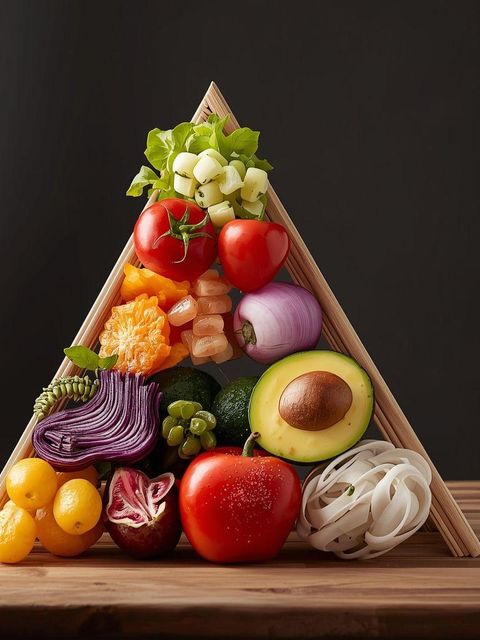
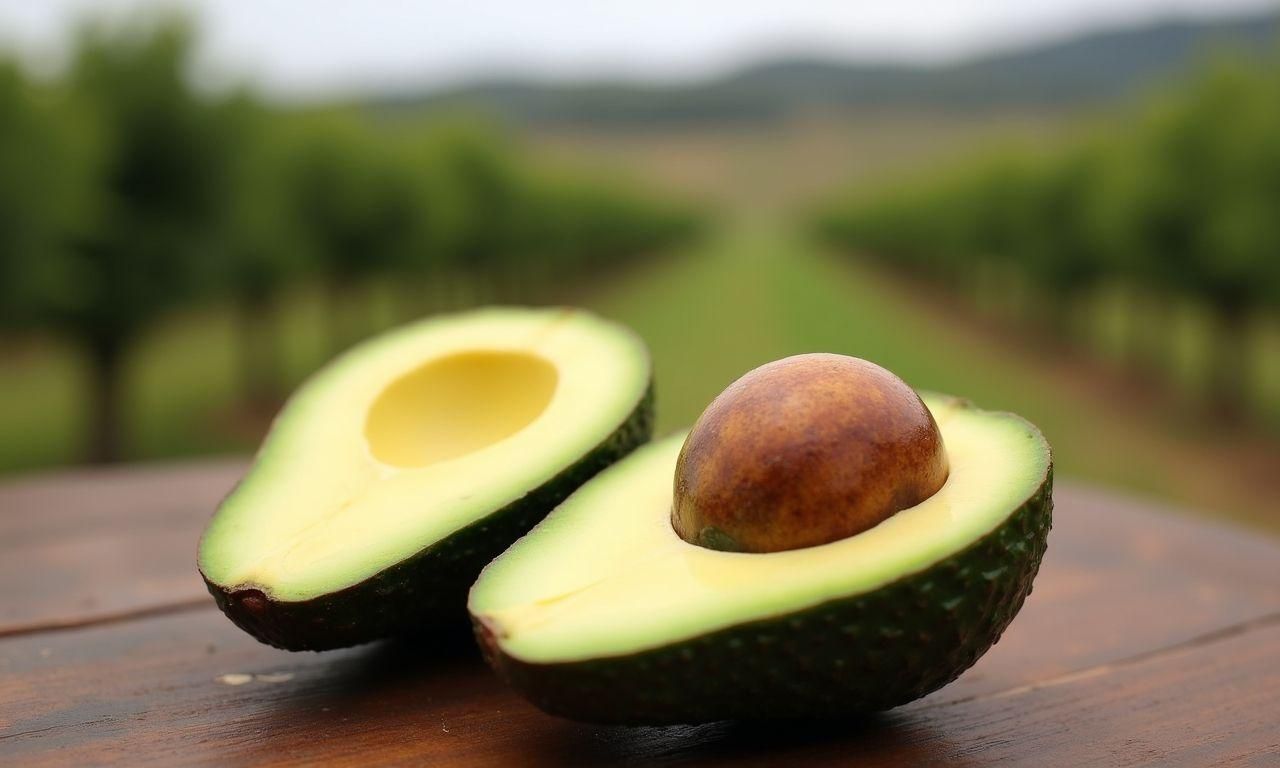
Avocado, also known as flavorful, is an evergreen plant from the pea family that originates from the tropical, warm regions of the Americas. It resembles a pear, has a thick, wrinkled skin (usually dark green or brown, depending on the variety) and a large, light seed in the middle. These fruits have gained popularity worldwide, and their price has risen over the past few decades. It is expected that by 2030, avocado could become the second most popular tropical fruit after bananas, surpassing pineapples and mangoes. Due to its health benefits, avocado is considered a superfood and is valued for its taste. It is often used in the kitchen to prepare dishes in both sweet and savory versions. However, it is worth knowing its origin, the production process, and determining whether it can be incorporated into everyone's diet.
Origin and production methods of avocado fruits
Avocado originates from the warm climate regions of Central and South America, where its cultivation is supported by the prevailing weather conditions. In 2020, Mexico produced nearly 2.4 million tons of avocado, making it the largest global producer. Other significant producers are Colombia, Dominican Republic, Peru, and Indonesia. Avocado plantations can also be found in Asia, Africa, and Southern Europe. Avocado is a perennial plant, and its fruits grow on trees that can reach up to 20 meters in height. After seven years of planting, one tree can produce approximately 140 kg of fruits. However, avocado fruits are not long-lasting and are susceptible to many mechanical and biochemical factors, which can contribute to their high price. Storing the fruits at low temperatures can prevent their degradation, but it can also reduce the amount of fatty acids. The avocado production also has impacts on the environment and economy, as it causes deforestation and reduction of biodiversity. In Mexico, the rise of avocado's popularity has led to the deforestation of 20% of the forests in the region of Michoacán. Additionally, avocado production has become attractive for drug cartels, leading to kidnappings of farmers and their families and the collection of high fees.
You have started reading a PRO article
You can preview the first chapter. To read the complete article and unlock all content, upgrade to a PRO account.