PRO
CLINICAL KNOWLEDGE MAGAZINE
11 min read
Anti-Cancer Components

Tim Klein
✓
Diets Premium Medical Expert • 15.03.2026
Smart Voice
Listen to the article content live
✓
Scientifically reviewed by a clinical dietitian:
This article has been peer-reviewed for adherence to IŻŻ, WHO, and PTGiP clinical nutritional standards.
| CLINICAL KNOWLEDGE MAGAZINE CLINICAL KNOWLEDGE MAGAZINE | min read 11 min |
| Diets Premium Medical Expert Tim Klein | Scientifically reviewed by a clinical dietitian 15.03.2026 |

Key Takeaways
Over the past few decades, Poland has observed an increase in the number of cancer cases. Globally, a significant number of people die from cancer each year.
Meal Plan
Want to apply these guidelines in your daily diet?
Our smart diet generator creates a tailored meal plan in 3 minutes based on the recommendations in this article.
PRO Content
PRO
This article is professional premium content (PRO) provided in its entirety.
Diets for promoting health protection
Discover these diets that may expedite our health improvement.
Diet based on Mediterranean products
As early as the 1960s, researchers discovered that people living in the Mediterranean basin countries were less likely to develop certain types of cancer. The typical diet of Italians or Greeks is characterized by a high intake of fresh vegetables and fruits, whole grain products, and olive oil. They also make extensive use of spices such as garlic, basil, rosemary, and coriander. However, the consumption of eggs, sugar, and red meat is very limited and is replaced by fish and seafood. Therefore, the diet is based on unprocessed local products. In addition, studies have shown that the Mediterranean diet provides many polyphenols, unsaturated fatty acids, and compounds that reduce oxidative stress, such as vitamins C and E. It has been proven that people who follow the Mediterranean diet are less likely to develop colon, breast, uterine, and prostate cancer.
A diet crafted from plant products
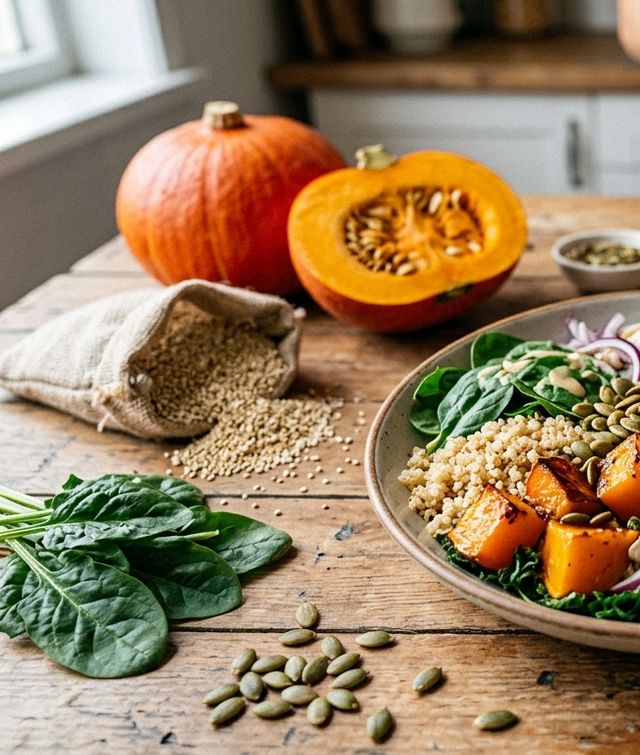
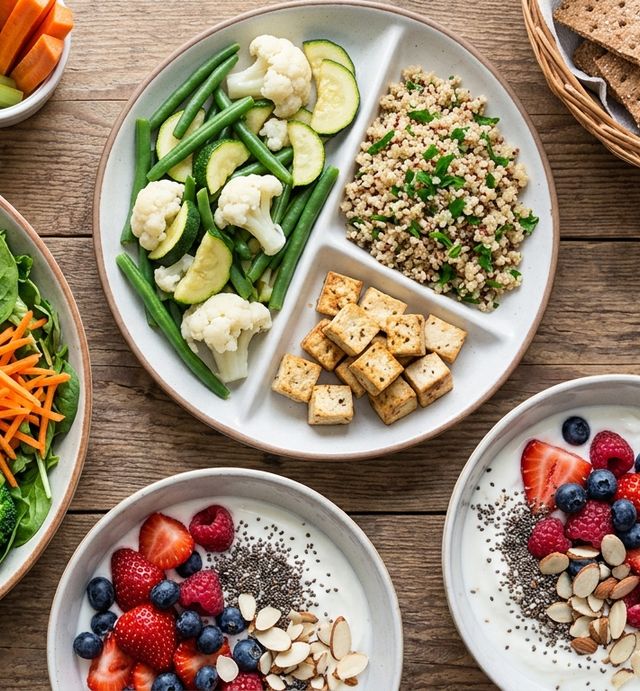
The vegetarian diet encompasses a multitude of variants, in which eggs and dairy products are either consumed or eliminated from the menu, contingent on the degree of imposed restrictions. It is founded on plant products such as pulp, cereal, and root vegetables. Its composition also incorporates nuts, vegetables and fruits, as well as oils. Scientific research has demonstrated that a plant-based diet exhibits protective effects against various types of cancer, including colorectal, prostate, and breast cancer. Moreover, it has been determined that a high intake of vegetables such as cabbage, broccoli, spinach, and onions safeguards against oral, esophageal, and stomach cancer. Embracing a vegetarian diet can also diminish the risk of cancer development by 12%. Abstaining from red meat, managing body weight, and consuming ample quantities of vegetables and fruits are critical factors that impact these outcomes.
A diet based on products with a low glycemic index
In the simplest terms, a low-GI diet is one that causes a limited increase in blood glucose after a meal, compared to the increase that the consumption of the same amount of carbohydrates in the form of pure glucose would cause. This diet is based on complex carbohydrates, which are released into the bloodstream slowly, so that they do not cause a large increase in glucose levels in the blood, and thus do not cause an insulin release. This diet is based on whole-grain products, vegetables, nuts and legumes. It also includes fruits, but in a smaller amount than vegetables. It includes products with low index (70). It is also worth mentioning that the glycemic load takes into account not only the speed of absorption of digestible carbohydrates, but also the content of these carbohydrates in a product. There are products with low load (19). A diet that is based on products with low GI and low glycemic load reduces the risk of hyperinsulinemia and a high level of insulin-like growth factor IGF. It is believed that a diet rich in products with high GI and glycemic load increases the risk of breast, colon, prostate, pancreatic, oral cavity, esophageal and gastric cancer. Therefore, it is important to choose a diet that is rich in plant-based products, unprocessed, and based on grains, cereals, nuts, vegetables, healthy oils and fish, to significantly reduce the glycemic load of the diet, and thus have an anticarcinogenic effect.
The Asian method of nourishment
The traditional Asian method of nourishment, characterized by a low energy density, is rich in antioxidants and polyphenols. Moreover, people in Taiwan, Cambodia, India, Japan, and China consume very large quantities of rice, soybeans, beans, fish, and seafood, as well as huge amounts of spices and herbs, which, although they are merely a dietary supplement, are highly beneficial for health. They also value tea highly and limit their intake of vegetables, red meat, and fat. Particular attention is given to the inhabitants of the small island of Okinawa. The average lifespan of the inhabitants exceeds 90 years, and the number of people over 100 years old is the highest on the entire Asian continent. Doctors and researchers point to the method of nourishment as the main cause of the longevity of the island's inhabitants. The diet is based on the principles of the typical Asian method of nourishment, expanded to include a very low intake of salt and sugar and a high intake of products with antioxidant properties. The diet of the inhabitants of Okinawa provides more than 80% of energy from complex carbohydrates, small amounts of fats, and low amounts of animal protein. In Asia, lower incidences are observed not only for some types of cancer, type 2 diabetes, and atherosclerosis, but obesity is also less common. The typical Asian method of nourishment reduces the risk of breast, prostate, stomach, breast, colon, and thyroid cancers.
Substances offering protection
Is there any sort of food that one can consume to look after their health?
Soybean Plant
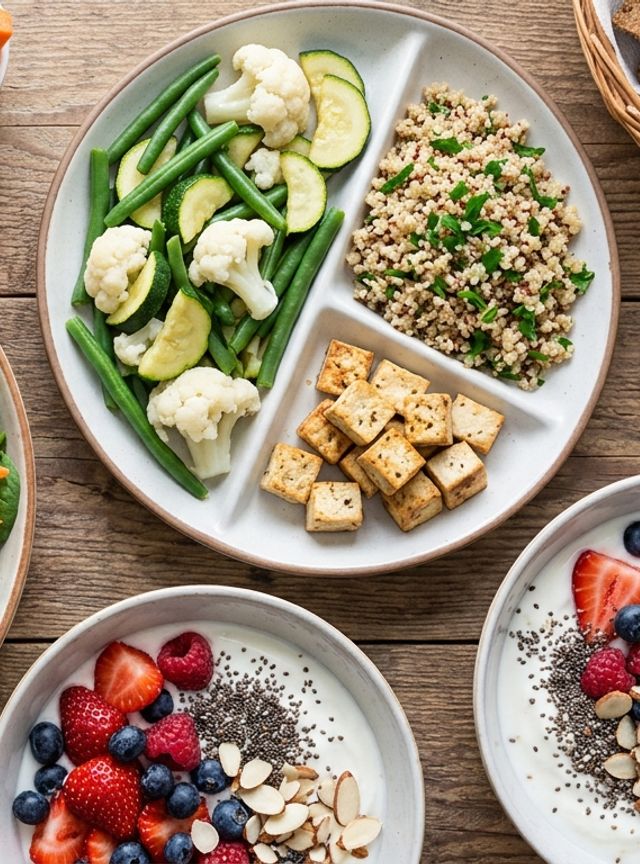
Soybean plants are legumes that are popular among vegetarians and frequently used in Asian cuisine. Soybeans can be consumed as a drink, paste, tofu, tempeh, natto, miso, or popular soy sauce. All of these processed products have positive effects on health.
Beverage prepared from leaves of Chinese green tea
This particular beverage is produced from Chinese tea leaves that are subjected to minimal oxidation processes. There are many varieties of green tea that differ in their cultivation location, cultivation methods, harvesting, and processing. All types of green tea that are consumed in the recommended amount have exceptionally positive health benefits. Green tea not only reduces the risk of heart disease, obesity, or diabetes, but it also exhibits anti-cancer properties. Green tea is a rich source of flavonoids such as catechin, epicatechin, epigallocatechin gallate, and proanthocyanidins. These chemical compounds stimulate the process of apoptosis in cancer cells, block the cell cycle, and inhibit the cancer process itself. Furthermore, some flavonoids exhibit an antioxidant effect that is up to 100 times stronger than that of vitamin C and E and a strong anti-inflammatory effect. Scientific research has proven that consuming green tea reduces the risk of stomach, pancreatic, colon, lung, prostate, and breast cancer, as well as brain tumors. Flavonoids are also found in cocoa, dark chocolate, wine, and vegetables.
Cabbage plants and grains
The cabbage plant group includes not only the most popular cabbage variety, but also other options such as broccoli, cauliflower, Chinese cabbage, Italian cabbage, as well as Brussels sprouts, kale, and others. A high content of carotenoids, polyphenols, and antioxidants protects the body's cells and has antimutagenic effects, especially in the case of cabbage juice. These components reduce oxidative stress in the cell, which allows for the prevention of damage, especially the degradation of DNA. Glucosinolates, present in cabbage plants, have the ability to induce phase II enzymes, which enable effective detoxification of carcinogenic compounds. Furthermore, cabbage juice has a stimulating effect on liver function and supports its detoxifying effect. Organic sulfur compounds, present for example in broccoli, inhibit cell proliferation, stimulate their differentiation, inhibit the formation of carcinogenic nitrosoamines, and accelerate the excretion of carcinogenic compounds. Therefore, it is important to not only consume broccoli, but also garlic, onions, or leeks, which also contain a high proportion of sulfur compounds. Cabbage plants can, according to studies, represent a valuable group of products, the consumption of which can reduce the risk of developing cancers such as colon cancer, lung cancer, prostate cancer, stomach cancer, breast cancer, and bladder cancer.
Spices and Flavor Enhancers
Among the spices that exhibit anti-cancer properties, we can include curry and garlic. Curry, whose main component is curcumin, is a polyphenol with antioxidant, anti-inflammatory, and anti-cancer properties. Curcumin possesses the ability to inhibit metastasis, angiogenesis, and halt the proliferation of cancer cells. Additionally, it has been observed that in combination with resveratrol, found in red wine, it induces apoptosis processes. On the other hand, garlic, despite its unassuming nature and contrary to appearances, a popular component of Polish cuisine, conceals within itself a wealth of health benefits. Garlic exhibits antifungal, antibacterial, anticoagulant, blood sugar level stabilizing, blood pressure regulating, and anti-cancer properties. Responsible for its anti-cancer properties are sulfur compounds, flavonoids, oligosaccharides, amino acids, and selenium. Sulfur compounds inhibit cancer cell growth through their impact on the metabolism of carcinogenic substances, apoptosis regulation, and angiogenesis inhibition. Moreover, garlic also exhibits antioxidant properties. Research conducted in China has shown that garlic protects against the development of colon polyps, thereby reducing the likelihood of colon cancer. Other studies have shown that garlic administered with selenium reduces the risk of stomach cancer by up to 47%, and overall cancer risk by 22%.
Supplementary constituents
What other characteristics do these constituents exhibit?
Nutrients with cancer-inhibiting properties
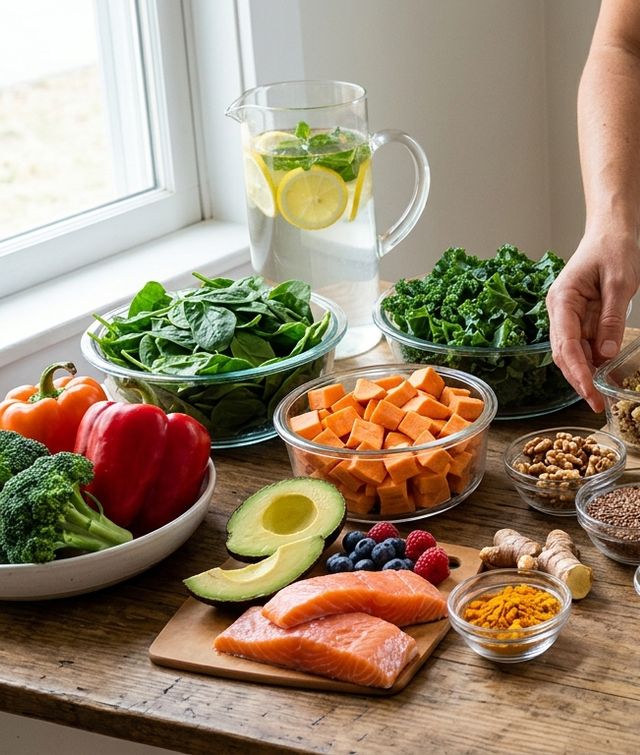
Among nutrients with cancer-inhibiting properties are: vitamin C, which protects against esophageal, stomach, and pancreatic cancer. This vitamin inhibits the action of free radicals, reduces the risk of cell damage and mutations, stimulates apoptosis. It is found in fresh aronia fruits, legumes, citrus fruits, as well as peppers, garlic, and strawberries; vitamin D, deficiency of which increases the risk for cancer. Adequate levels of this vitamin reduce the risk of colon cancer, especially rectal cancer, as well as pancreatic cancer. This vitamin inhibits proliferation and angiogenesis, has immunostimulatory and anti-inflammatory effects. Vitamin D is found in eggs, vegetable oils, fatty sea fish, dairy products, and liver; vitamin E, which reduces the risk of breast, prostate, lung, and colon cancer. It is a strong antioxidant, has anti-inflammatory effects, regulates gene expression and apoptosis. Vitamin E is found in vegetable oils, nuts, seeds, e.g. sunflower seeds; folic acid (folate), which are responsible for the synthesis, expression, and repair of DNA. Folate deficiency can lead to a failure of these functions, which in turn can cause the development of cancer. Folic acid reduces the risk of pancreatic cancer in women by up to 53%, colon cancer by up to 25%, as well as esophageal and breast cancer. Folic acid is found in Brussels sprouts, spinach, broccoli, peanuts, and Italian cabbage.
Probiotics and Prebiotics - Microorganisms and Substances Supporting Health
Bacteria from the lactic acid family, such as Lactobacillus and Bifidobacterium, as well as the yeast Saccharomyces boulardii, are probiotics that are stimulated for growth by prebiotics, i.e. substances not digested in the gut, such as oligosaccharides. They have the ability to modify the metabolism of certain nutrients, thus affecting their biological activity. They also have immunostimulating and anti-inflammatory effects and are capable of lowering the levels of carcinogenic compounds in the intestine. Therefore, proper functioning of the gut flora is extremely important in cancer prevention, including colon cancer. Probiotic bacteria and yeast can be found in fermented dairy products as well as in sauerkraut and pickles. The sources of fiber stimulating their growth are fresh vegetables and fruits and products made from whole grain.
Multiple unsaturated fatty acids
Medical research has shown that Omega-3 fatty acids have the ability to inhibit the development of cancer. These include Alpha-linolenic acid (ALA), Eicosapentaenoic acid (EPA), and Docosahexaenoic acid (DHA). They are found in fatty marine fish such as sardines, cod, salmon, nuts, especially Italian, as well as vegetable oils such as soybean and flaxseed. These components significantly reduce the risk of breast cancer (up to 62%), breast, prostate, pancreas, large intestine (up to 12%), lung and stomach cancer. The protective mechanisms are not yet fully understood, but are likely to result from the possibility of regulating apoptosis, cell differentiation, proliferation, and strong anti-inflammatory action.
Mineral salts
Among the mineral components that are scientifically recognized as having anticancer properties are: Calcium – acts antiproliferative, stimulates apoptosis, prevents cell mutations, etc. by binding secondary acids such as fatty acids and bile acids. There is strong evidence that calcium reduces the risk of colorectal cancer, and the question of reducing the risk of breast cancer is constantly being investigated. Rich sources of calcium are primarily dairy products, fish eaten with bones, such as sprats, poppy and sesame seeds, soybeans, parsley, beans, cabbage, figs and dried apricots, nuts; Selen – shows a protective effect against prostate cancer, limited evidence suggests a protective effect against stomach, colon, lung and bladder cancer. Selen is a component of antioxidant enzymes, enhances the immune response, has an anti-inflammatory effect, protects and stabilizes DNA, regulates apoptosis and inhibits cell proliferation. Selen is found in Brazil nuts, garlic, lentils, corn, beans, mushrooms.
Summary
Adhering to an appropriate nutrition plan, which abounds in anti-inflammatory, antioxidant, immunostimulating and anticancer components, can contribute to reducing the risk of cancer development. Our dietary habits are often insufficient, and a highly processed diet rich in saturated fats, sugar, salt, and red meat promotes the onset of cancerous diseases. It is crucial to recognize that the implementation of effective prevention has a significant impact on our health. Therefore, it is recommended to pay attention to what we consume and ensure that we incorporate cancer-inhibiting foods into our daily diet.
Tim Klein
Diets Premium Medical Expert
Member of the Diets Premium clinical editorial board. Specializes in medical diet therapy, metabolic health, and nutritional planning.
View Profile →