A comparative examination of natural yogurt varieties: Key considerations for consumers

Isabella Taylor
2026-05-19
11 min. read
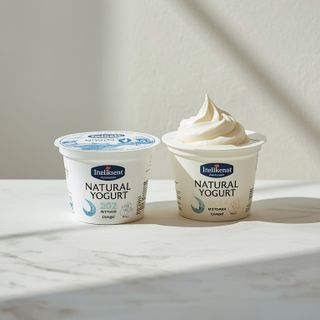
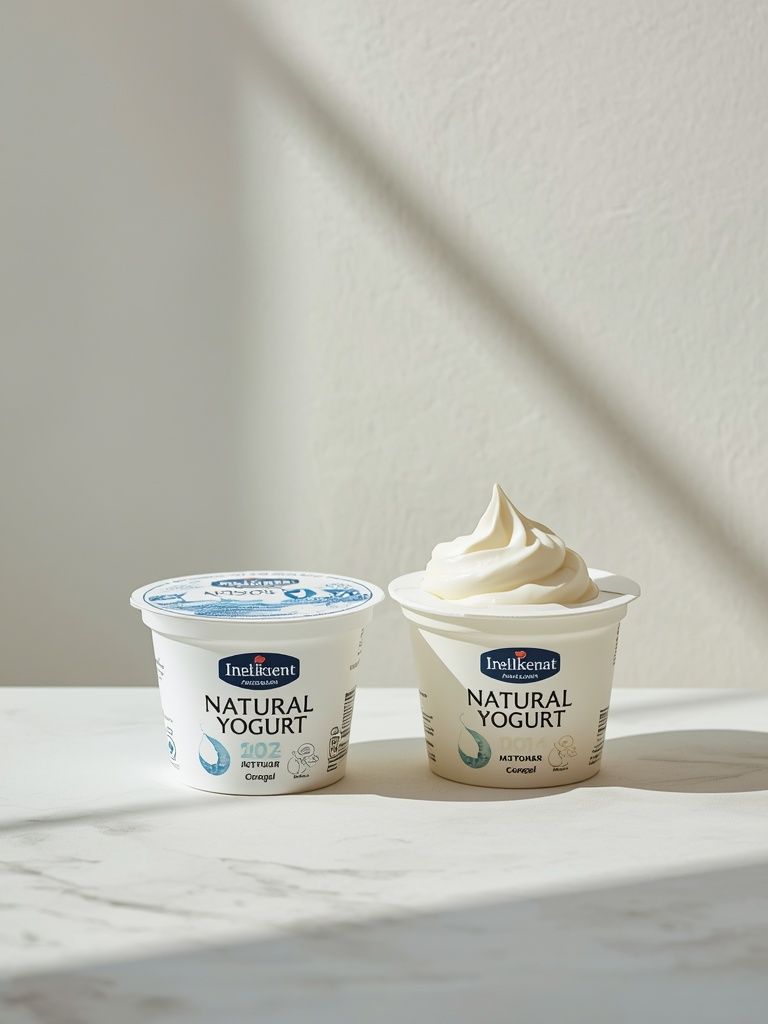
1 / 1
1 zdjęcie
24
While natural yogurts are broadly perceived as more nutritious than their sweetened, flavored, or dessert-style counterparts—which often fail to meet the technical definition of yogurt—substantial variations exist even within the "natural" category itself in terms of composition, production methods, and health implications. Not all commercially available options qualify as wholesome, health-promoting food products, a distinction that arises from differences in fat content, functional additives, and fermentation techniques employed during manufacturing.
How do you make a natural yogurt?
Before comparing the composition of the natural yogurts available on the market, it is worth considering what these dairy products are in general and what should be in them. Natural yogurt is a fermented dairy product. It is obtained by soaking milk with yogurt bacteria, which include the species: Lactobacillus bulgaricus, Streptococcus thermophilus. So a true, good quality yogurt consists only of milk and the bacteria mentioned above.
You have started reading a PRO article
You can preview the first chapter. To read the complete article and unlock all content, upgrade to a PRO account.
Tags