
Choose a nutrition plan day
1–3 (days)
11 / 2026
Mon
Tue
Wed
Thu
Fri
Sat
Sun
1
2
3
4
5
6
7
8
9
10
11
12
13
14
15
16
17
18
19
20
21
22
23
D1
1678 kcal
24
D2
1808 kcal
25
D3
1831 kcal
26
27
28
29
30
Day 2 (24.11.2026)
Duration in days (1–3)
1808
KCAL
Protein (B)
59.4 g
(16%)
Fat (T)
64.9 g
(17%)
Carbs (W)
246.6 g
(67%)
Hydration
2.5 L (10×250ml)
Prices calculated for
Walmart
$4.07
/ day
$1.02
(meal ~)
Choose grocery chain
1
Meal 1
07:00
GL 31.8
0,93 €
Pineapple and ginger smoothie

Ingredients are part of the recipe (1)
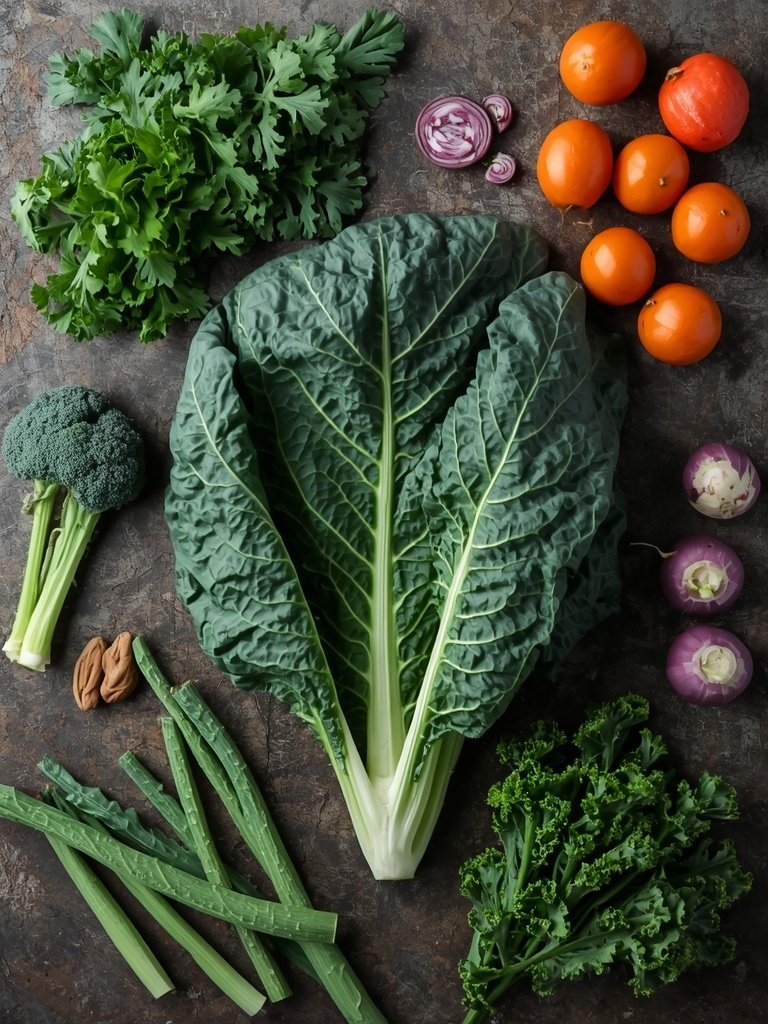
Kale
$0.07
· Walmart
40 g (2 × Handful)
•
B: 1.3g · T: 0.3g · W: 2.4g
Preparation of the recipe (3)
-
1
Wash and dry the kale leaves thoroughly, remove the tough stems, and tear into smaller pieces. Dice the pineapple slices, and peel and finely grate the fresh ginger.
-
2
Place the kale, pineapple, and ginger into a blender container, then add the oat flakes, cashew nuts, lemon juice, and a splash of water.
-
3
Blend on high speed until smooth, pour the smoothie into a glass, and serve.
Ingredients (5)

Pineapple
$0.27
· Walmart
160 g (2 × Slice)
•
B: 0.6g · T: 0.3g · W: 21.8g

Lemon juice
$0.02
· Walmart
10 g (1 × Tablespoon)
•
B: 0.1g · T: 0g · W: 1g

Ground ginger
$0.02
· Walmart
4 g (1 × Teaspoon)
•
B: 0.4g · T: 0.2g · W: 2.6g
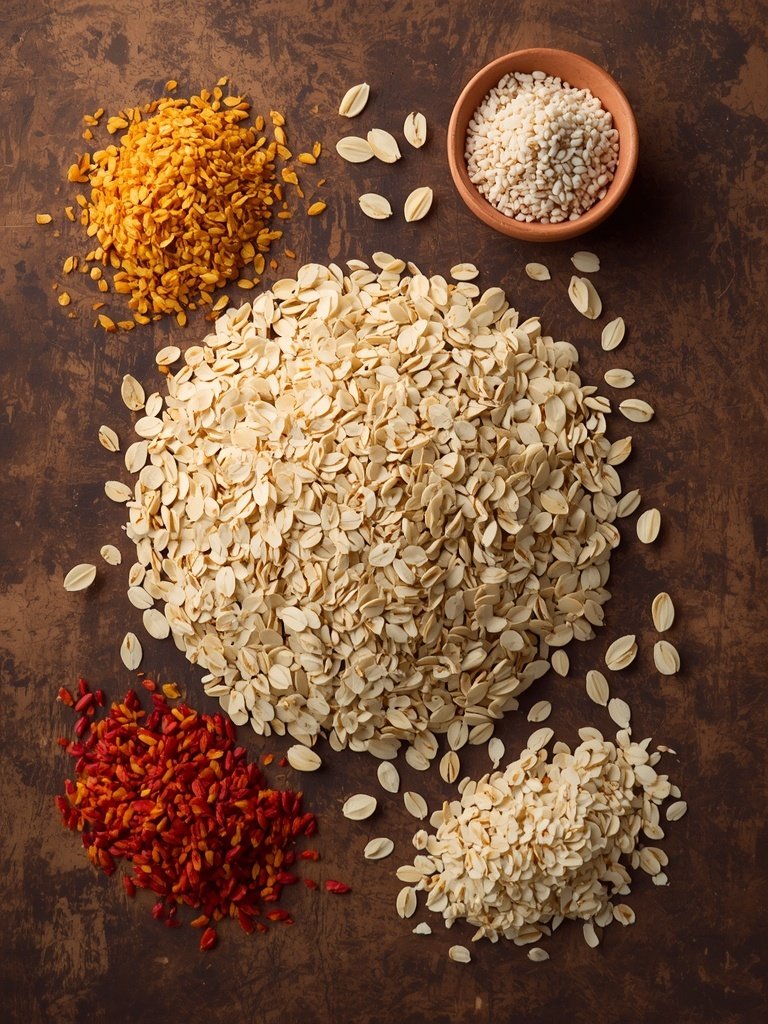
Oatmeal
$0.06
· Walmart
30 g (3 × Tablespoon)
•
B: 3.6g · T: 2.2g · W: 20.8g
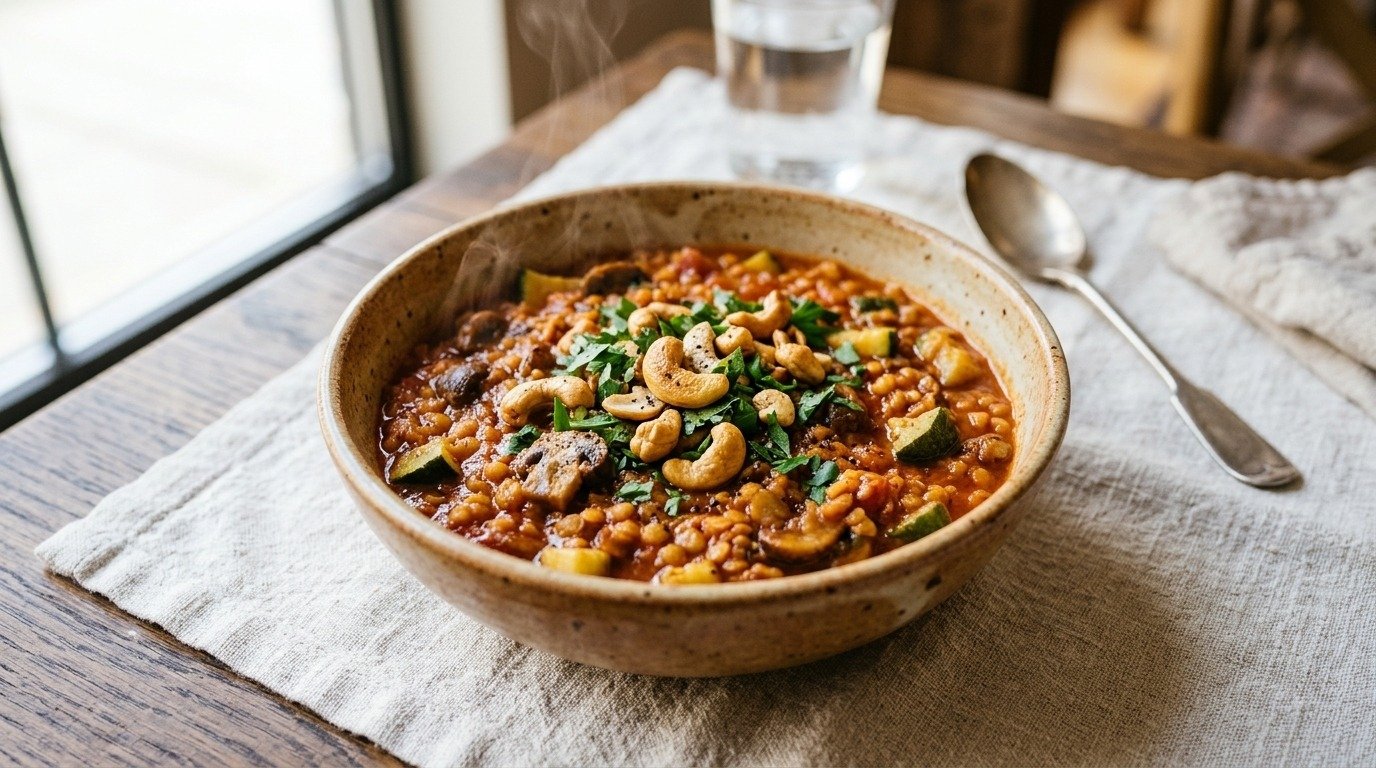
Cashew nuts
$0.49
· Walmart
35 g (1 × Handful)
•
B: 6.4g · T: 15.3g · W: 12.6g
Glucose Curve
Blood Glucose Curve (0-180 min)
Biochemical model of blood glucose dynamics (0-180 min) accounting for fat, protein, and fiber buffering.
Glycemic Load (GL): Moderate (18.3)
Chart series:
Time horizon:
Clinical Insight (Glycemic Model)
Moderate glycemic load (GL 18.3) leads to a controlled glucose rise up to ~118 mg/dL followed by a gradual return to baseline.
Glycemic Load (GL)
Moderate
18.3
GL pts
Glycemic Load (GL) combines both the Glycemic Index (GI) and the actual amount of digestible carbohydrates in a serving.
Clinical thresholds: Low ≤ 10 pts • Moderate 11–19 pts • High ≥ 20 pts
Index (GI)
34
Glucose peak
118
mg/dL
P+F+Fiber buffer
0.68
🛡️ Glycemic buffering in this meal
Protein (12.3 g), fat (18.4 g), and dietary fiber (7.3 g) slow gastric emptying and attenuate the postprandial glucose peak.
Net carbohydrates (digestible)
53.8 g
Simple sugars: 11 g
Slowing fiber: 7.3 g
Select store chain to compare ingredient prices:
Ingredients cost in selected store (Lidl)
—

Kale
40 g (2 × Handful)
0,06 €
Lidl

Pineapple
160 g (2 × Slice)
0,25 €
Lidl

Lemon juice
10 g (1 × Tablespoon)
0,02 €
Lidl

Ground ginger
4 g (1 × Teaspoon)
0,02 €
Lidl

Oatmeal
30 g (3 × Tablespoon)
0,06 €
Lidl

Cashew nuts
35 g (1 × Handful)
0,45 €
Lidl
Energy distribution from macronutrients
459 kcal
Protein
12.3 g (11%)
Fat
18.4 g (36%)
Carbs
61.1 g (53%)
ARE vitamin
356.8 µg
Acidity
0.5 g
Added sugar
0.1 g
Alanine
0.2 g
Alcohol
0.1 g
Argentina
0.2 g
Ash
3.2 g
Beta-cryptoxanthin
17.4 µg
Beta-glucans
1.4 g
Bor
30 mg
Calcium
129.6 mg
Carbohydrates
61.1 g
Carotene Alpha
16 µg
Carotene Beta
2220.3 mg
Cheese
0.2 g
Chlor
35 mg
Cholesterol
2.8 mg
Chromium
3.9 µg
Citric acid
1.4 mg
Cobalt
0.6 µg
Copper
1.1 mg
Cranberry juice
0.2 g
Cysts
0.1 g
Fat
18.4 g
Fiber
7.4 g
Fitosterol
12 mg
Fluor
3.8 mg
Folic acid
22.4 µg
Fructose
3.7 g
Galaxy
0.3 g
Glucose
3 g
Glutamine
0.8 g
Glycine
0.2 g
Histidine
0.1 g
Insoluble fiber
4.4 g
Inulin
0.2 g
Iodine
0 µg
Iron
5.5 mg
Isoleucine
0.1 g
Lactose
0.3 g
Leucine
0.2 g
Lutein
16 µg
Lutein + zeaxanthin
102.9 mg
Lymphopenia
0.1 µg
Lysine
0.1 g
Magnesium
186.4 mg
Maltose
0 g
Manganese
4.2 mg
Methionine
0.1 g
Molybdenum
9.6 µg
Monounsaturated fatty acids
9.2 g
Nickel
0.2 mg
Omega 3
0.1 g
Omega 6
3.6 g
Oxalic acid
12.2 mg
Phenylalanine
0.2 g
Phosphorus
388 mg
Polyunsaturated fatty acids
3.9 g
Potassium
974 mg
Proline
0.2 g
Protein
12.3 g
Quinic acid
0.1 g
Salt
0 g
Saturated fatty acids
3.3 g
Selenium
7.8 µg
Sodium
13.9 mg
Soluble fiber
1.3 g
Sponge cake
15.1 mg
Starch
17.4 g
Sucrose
13.2 g
Sugar
18.9 g
Sulfur
51 mg
Threonine
0.1 g
Total sugar alcohol
1.7 g
Trans fatty acids
0.4 g
Tryptophan
0.2 g
Tyrosine
0.1 g
Valina
0.2 g
Vitamin A
11.6 µg
Vitamin B1 (Thiamine)
0.5 mg
Vitamin B12 (Cobalamin)
0.4 µg
Vitamin B2 (Riboflavin)
0.2 mg
Vitamin B3 (Niacin)
2.3 mg
Vitamin B5 (Pantothenic acid)
0.3 mg
Vitamin B6 (Pyridoxine)
0.5 mg
Vitamin B7 (Biotin)
0.1 mg
Vitamin B9 (Folic acid)
39.5 µg
Vitamin C (Ascorbic acid)
77.3 mg
Vitamin D
0.4 µg
Vitamin D3
0.1 µg
Vitamin E
1.7 mg
Vitamin K
296.4 µg
Water
185.1 g
Zinc
3.7 mg
Shopping List — Pineapple and ginger smoothie
6 Ingredients
2
Meal 2
12:00
GL 25.4
0,49 €
Fruit salad with sunflower seeds and pumpkin seeds
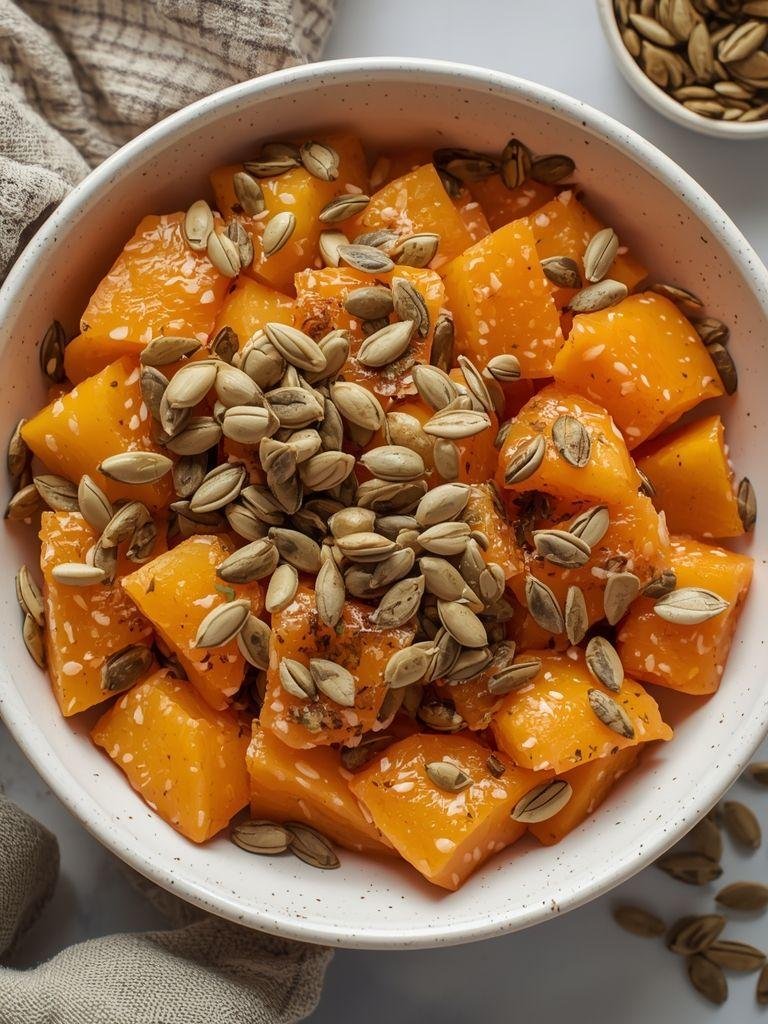
Recipe
5 min
$0.11
(Walmart)
Fruit salad with sunflower seeds and pumpkin seeds
27 kcal
B: 0.7g
•
T: 1g
•
W: 4g
Ingredients are part of the recipe (1)

Mandarin oranges
$0.11
· Walmart
65 g (1 × Piece)
•
B: 0.4g · T: 0.1g · W: 7.3g
Preparation of the recipe (3)
-
1
Wash and dry the grapes thoroughly. Peel the mandarins and separate them into segments, and cut the dried figs into smaller pieces.
-
2
Place the grapes, mandarin segments, and chopped figs into a bowl and toss gently.
-
3
Sprinkle the fruit salad with the pumpkin seeds and shelled sunflower seeds, and serve immediately.
Ingredients (4)

Grapes
$0.20
· Walmart
100 g (1 × Piece)
•
B: 0.5g · T: 0.2g · W: 17.6g
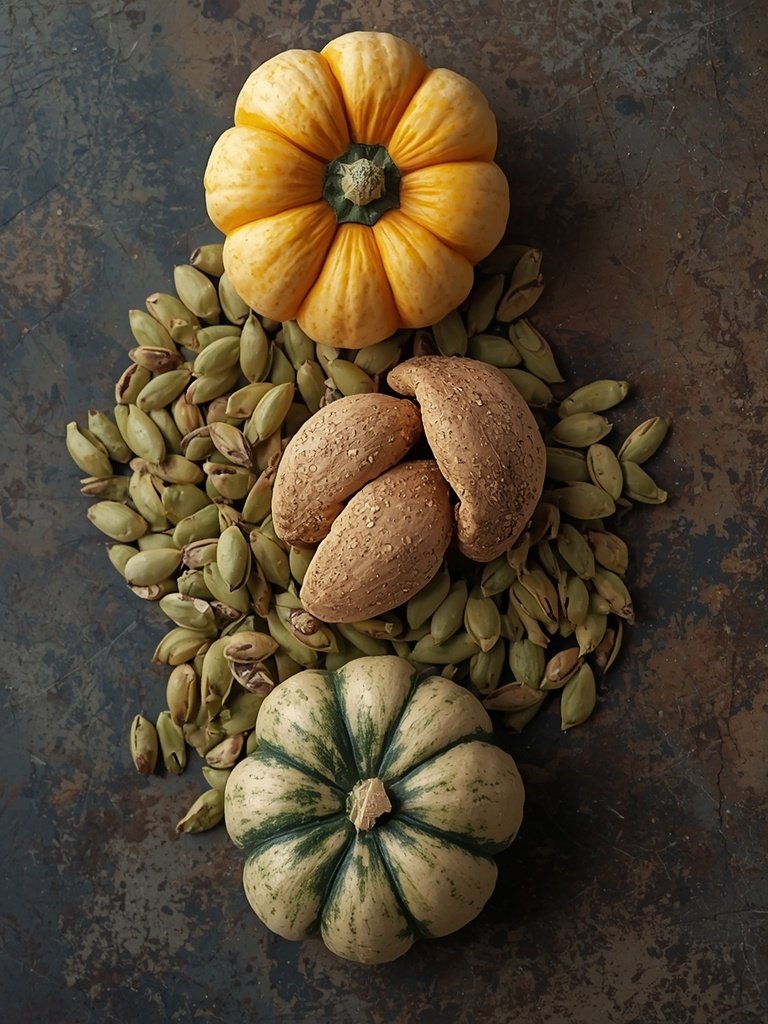
Pumpkin seeds
$0.04
· Walmart
5 g (1 × Teaspoon)
•
B: 1.2g · T: 2.3g · W: 0.9g
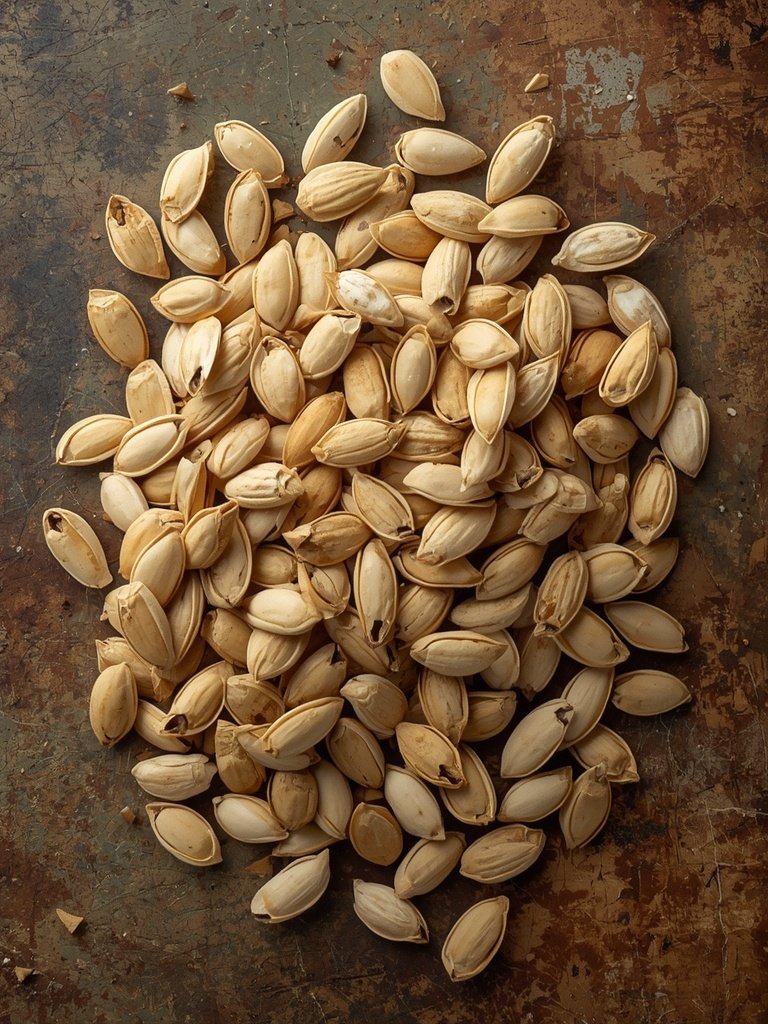
Sunflower seeds (shelled)
$0.04
· Walmart
5 g (1 × Teaspoon)
•
B: 1.2g · T: 2.2g · W: 1.2g
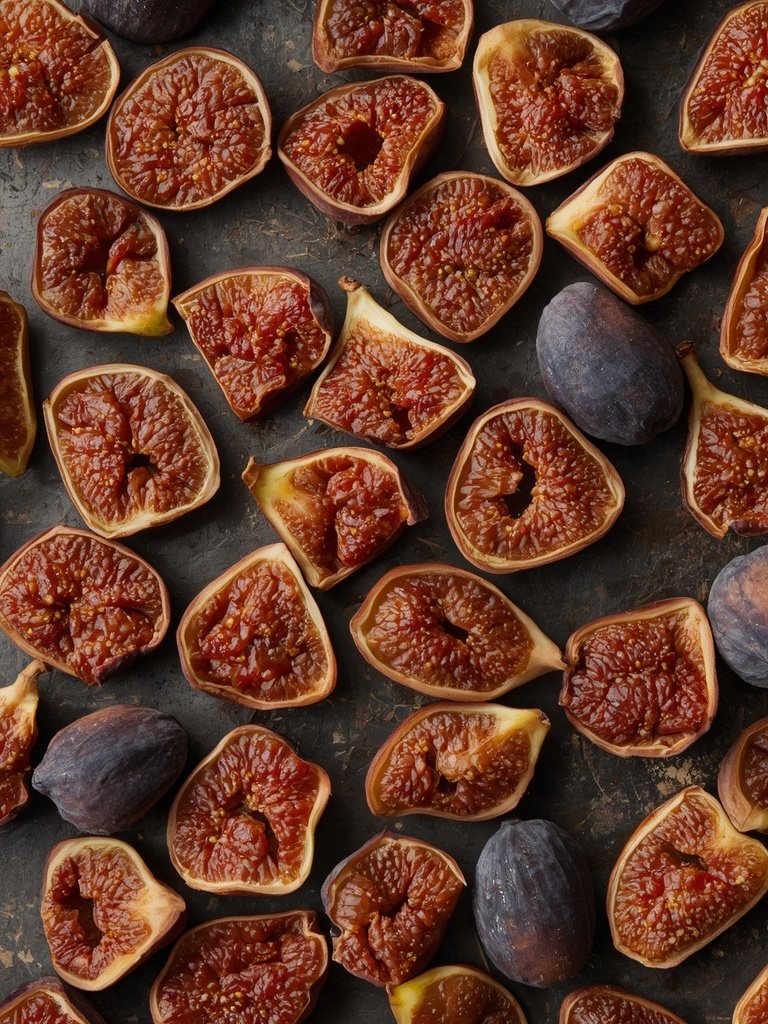
Dried fig
$0.10
· Walmart
28 g (2 × Piece)
•
B: 1g · T: 0.3g · W: 21.8g
Glucose Curve
Blood Glucose Curve (0-180 min)
Biochemical model of blood glucose dynamics (0-180 min) accounting for fat, protein, and fiber buffering.
Glycemic Load (GL): Moderate (18.5)
Chart series:
Time horizon:
Clinical Insight (Glycemic Model)
Moderate glycemic load (GL 18.5) leads to a controlled glucose rise up to ~124 mg/dL followed by a gradual return to baseline.
Glycemic Load (GL)
Moderate
18.5
GL pts
Glycemic Load (GL) combines both the Glycemic Index (GI) and the actual amount of digestible carbohydrates in a serving.
Clinical thresholds: Low ≤ 10 pts • Moderate 11–19 pts • High ≥ 20 pts
Index (GI)
43
Glucose peak
124
mg/dL
P+F+Fiber buffer
0.37
🛡️ Glycemic buffering in this meal
Protein (4.3 g), fat (5.1 g), and dietary fiber (5.9 g) slow gastric emptying and attenuate the postprandial glucose peak.
Net carbohydrates (digestible)
43 g
Simple sugars: 8.8 g
Slowing fiber: 5.9 g
Select store chain to compare ingredient prices:
Ingredients cost in selected store (Lidl)
—

Mandarin oranges
65 g (1 × Piece)
0,10 €
Lidl

Grapes
100 g (1 × Piece)
0,18 €
Lidl

Pumpkin seeds
5 g (1 × Teaspoon)
0,04 €
Lidl

Sunflower seeds (shelled)
5 g (1 × Teaspoon)
0,04 €
Lidl

Dried fig
28 g (2 × Piece)
0,09 €
Lidl
Energy distribution from macronutrients
259 kcal
Protein
4.3 g (7%)
Fat
5.1 g (18%)
Carbs
48.9 g (75%)
Added sugar
0.7 g
Alanine
9.9 g
Alcohol
0.7 g
Alpha-linolenic acid
0 g
Animal protein
0.1 g
Argentina
13.5 g
Ash
1.8 g
Aspartic acid
19.7 g
Beta-Carotene
56.8 µg
Beta-cryptoxanthin
41.1 µg
Beta-sitosterol
19 mg
Bor
65.2 mg
Calcium
106.6 mg
Calories
34.5 kcal
Carbohydrates
48.9 g
Carbohydrates, total
7.3 g
Carotene Beta
97.5 mg
Cheese
9.9 g
Chlor
1.6 mg
Cholesterol
2 mg
Chromium
0.4 µg
Citric acid
0.8 mg
Cobalt
0.1 µg
Copper
0.4 mg
Cranberry juice
0.7 g
Cysteine
0.7 g
Energy
144.3 kJ
Fat
5.2 g
Fat, total
0.1 g
Fiber
6.9 g
Fitosterol
27.3 mg
Fluor
0.7 mg
Folic acid
16.2 µg
Fructose
17.3 g
Galaxy
0.7 g
Glucose
16.8 g
Glutamine
26.6 g
Glycine
6.6 g
Histidine
3.3 g
Insoluble fiber
5.3 g
Inulin
0.1 g
Iodine
0.7 µg
Iron
2.4 mg
Isoleucine
6.6 g
Lactose
1 g
Leucine
13.2 g
Lignin
0.1 g
Linoleic acid
2.5 g
Lutein + zeaxanthin
159 mg
Lymphopenia
0.1 µg
Lysine
13.1 g
Magnesium
83.8 mg
Maltose
0.7 g
Manganese
0.6 mg
Methionine
3.3 g
Molybdenum
0.9 µg
Monounsaturated fatty acids
1.3 g
Nickel
0.9 mg
Oleic acid
1.2 g
Omega 3
0.1 g
Omega 6
2.7 g
Oxalic acid
0.3 mg
Palmitic Acid
0.3 g
Pantothenic acid
0 mg
Phenylalanine
6.6 g
Phosphorus
164.6 mg
Plant protein
1.2 g
Polyunsaturated fatty acids
2.7 g
Potassium
691.6 mg
Proline
6.6 g
Protein
4.4 g
Quinic acid
0 g
Salt
0 g
Saturated fatty acids
0.8 g
Selenium
3.4 µg
Sodium
16 mg
Soluble fiber
1.7 g
Starch
0.9 g
Stearic Acid
0.1 g
Sucrose
5.6 g
Sugar
39.4 g
Sulfur
10.1 mg
Taurine
0.1 mg
Threonine
6.6 g
Tocopherol gamma
1.1 mg
Total sugar alcohol
1 g
Trans fatty acids
1.9 g
Tryptophan
3.3 g
Tyrosine
3.3 g
Valina
9.9 g
Vitamin A
19.2 µg
Vitamin B1 (Thiamine)
0.2 mg
Vitamin B12 (Cobalamin)
1 µg
Vitamin B2 (Riboflavin)
0.1 mg
Vitamin B3 (Niacin)
1.2 mg
Vitamin B4 (Choline)
8.4 mg
Vitamin B5 (Pantothenic acid)
0.3 mg
Vitamin B6 (Pyridoxine)
0.2 mg
Vitamin B7 (Biotin)
0.4 mg
Vitamin B8 (Inositol)
0.1 mg
Vitamin B9 (Folic acid)
27.1 µg
Vitamin C (Ascorbic acid)
26.2 mg
Vitamin D
1 µg
Vitamin E
3.6 mg
Vitamin K
19.8 µg
Water
142.9 g
Zinc
0.9 mg
Shopping List — Fruit salad with sunflower seeds and pumpkin seeds
5 Ingredients
3
Meal 3
16:00
GL 49.5
2,05 €
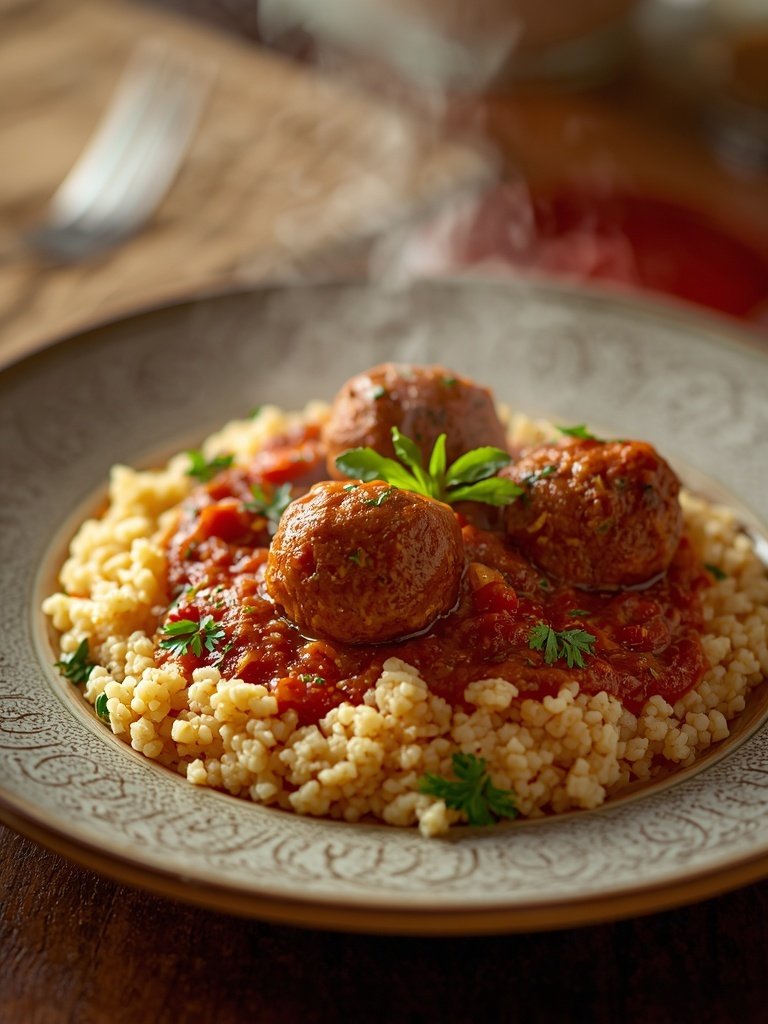
Turkey meatballs in tomato sauce with couscous
Recipe
30 min
$0.64
(Walmart)
Turkey meatballs in tomato sauce with couscous
420 kcal
B: 19.1g
•
T: 10g
•
W: 6.3g
Ingredients are part of the recipe (1)
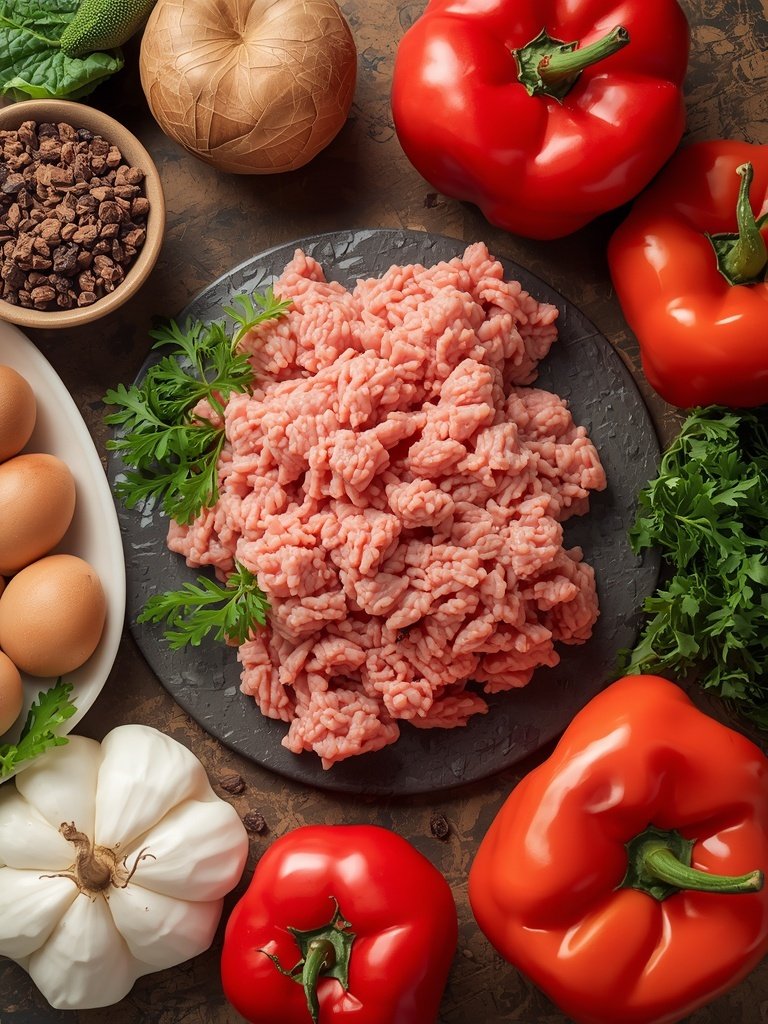
Ground turkey
$0.64
· Walmart
100 g (100 × Gram)
•
B: 18g · T: 8.8g · W: 1g
Preparation of the recipe (4)
-
1
Mix the minced turkey meat in a bowl with the wheat flour, olive oil, dried oregano, salt, and black pepper. With damp hands, shape the mixture into small meatballs and set aside.
-
2
Wash and dice the fresh tomato, peel and finely chop the garlic, and peel and grate the carrots.
-
3
Pour the canned chopped tomatoes into a pot, add the diced fresh tomato, garlic, grated carrots, dried basil, thyme, and sweet ground paprika, and simmer for 10–15 minutes. Add the turkey meatballs to the sauce, cover, and cook until tender.
-
4
Meanwhile, prepare the couscous by steeping it in hot water covered. Serve the cooked turkey meatballs in tomato sauce with the fluffy couscous.
Ingredients (13)
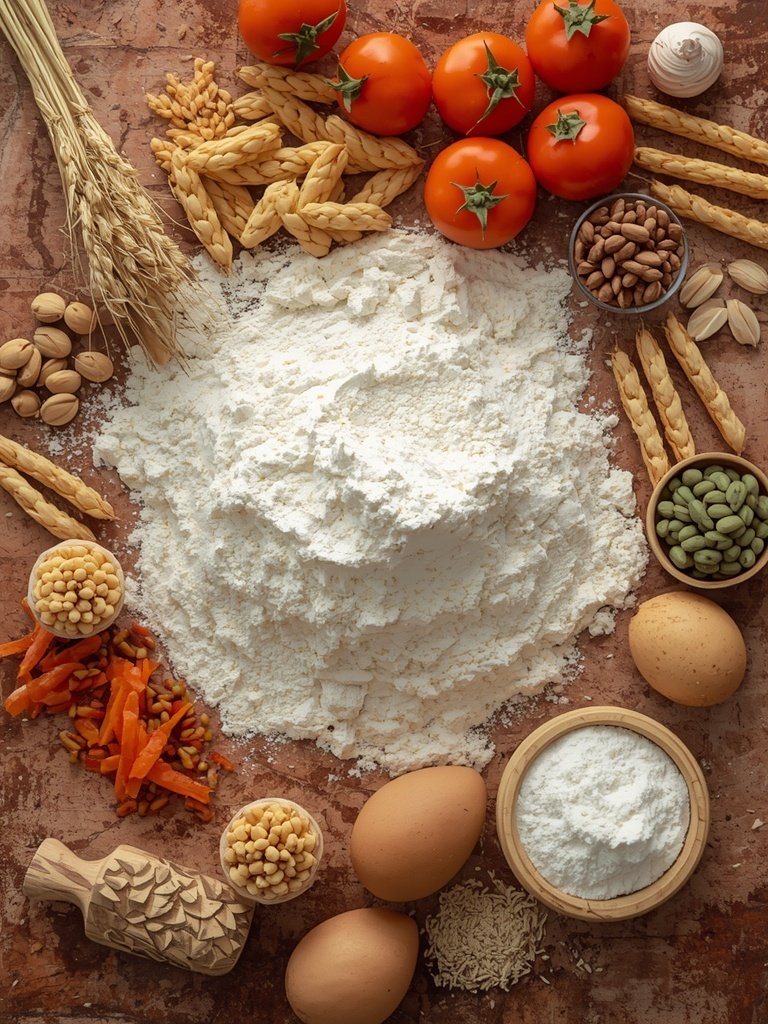
Wheat flour type 550
$0.06
· Walmart
15 g (1 × Tablespoon)
•
B: 1.4g · T: 0.2g · W: 11.2g
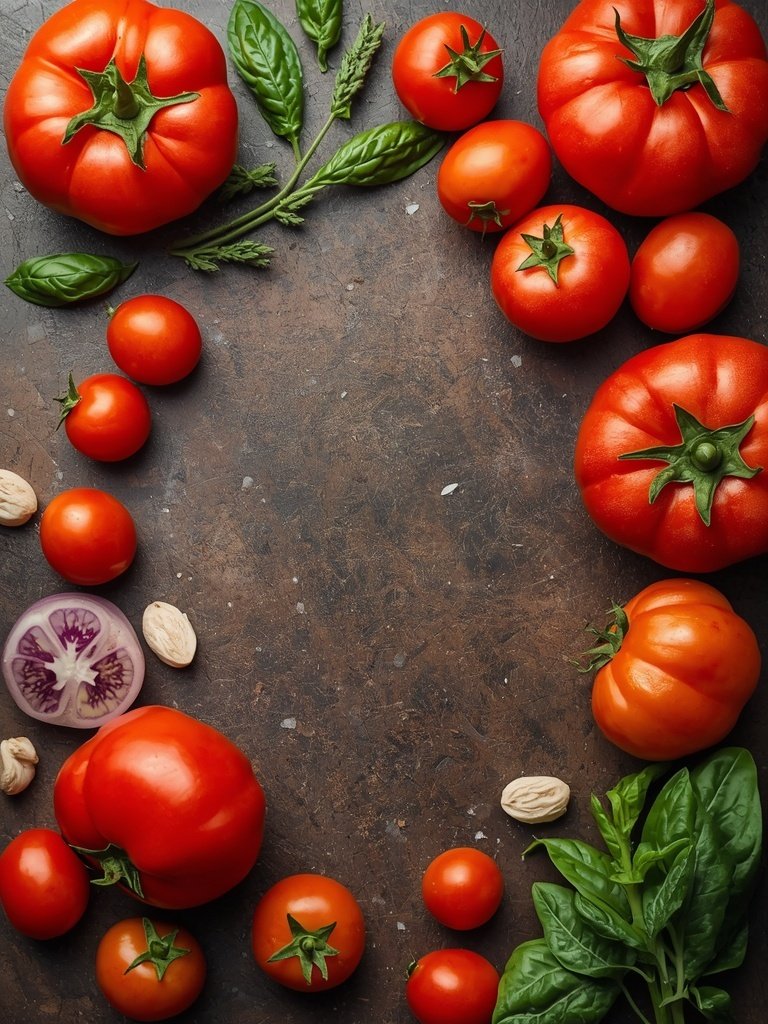
Diced tomatoes in a can
$0.50
· Walmart
200 g (0.5 × Can)
•
B: 1.8g · T: 0.4g · W: 7.2g
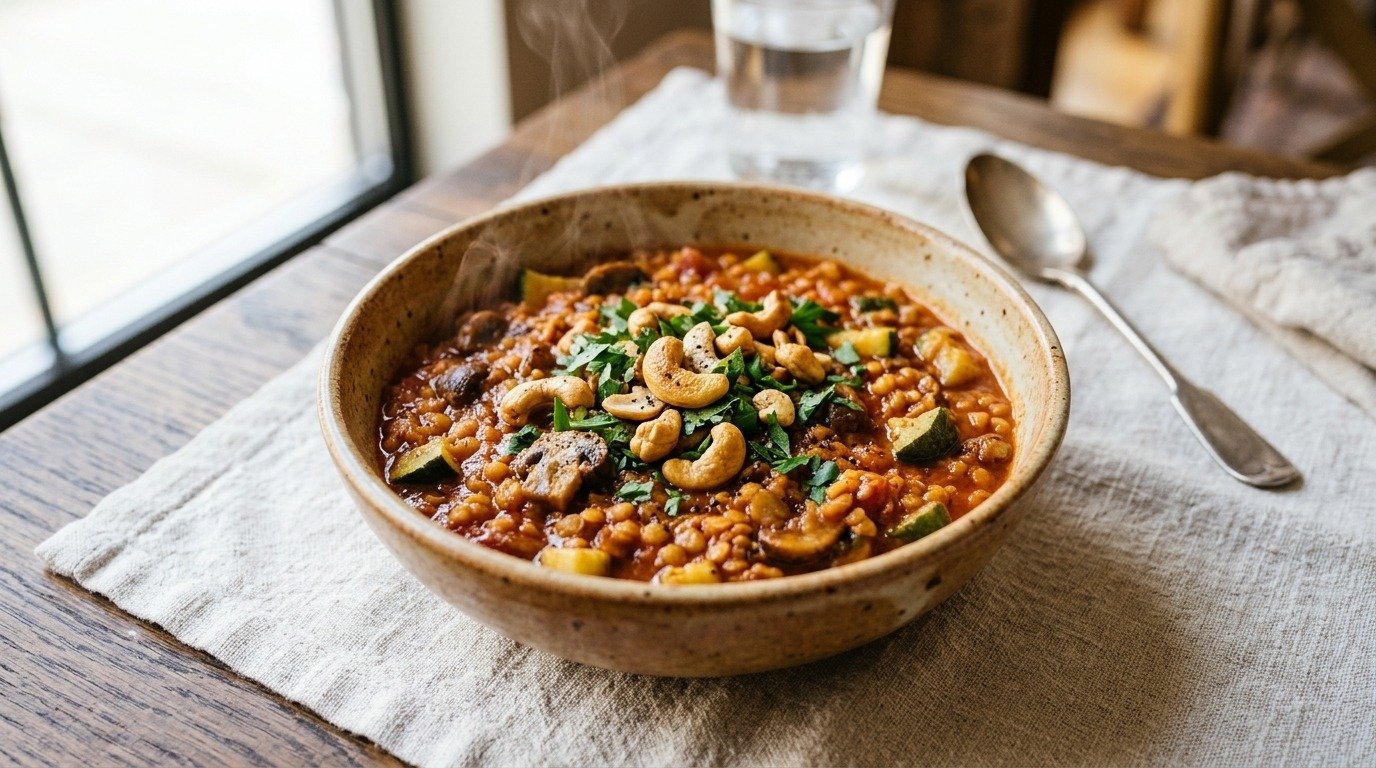
Tomato
$0.50
· Walmart
200 g (1 × Large piece)
•
B: 1.8g · T: 0.4g · W: 7.2g

Carrot
$0.10
· Walmart
160 g (2 × Piece)
•
B: 1.6g · T: 0.3g · W: 13.9g
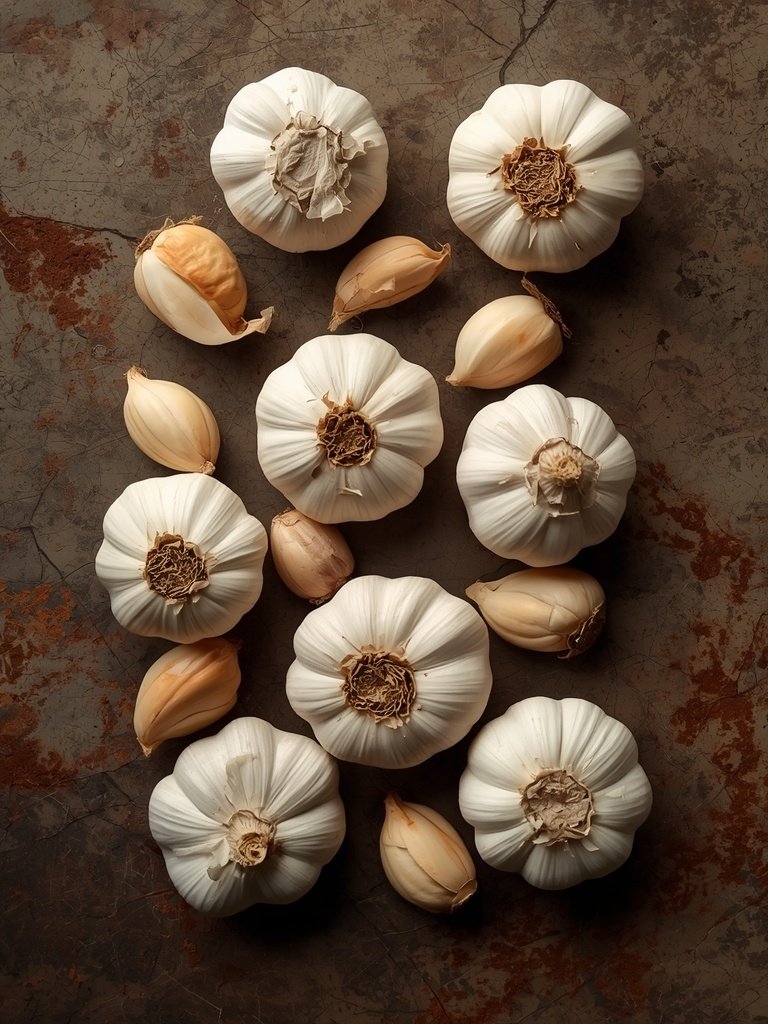
Garlic
$0.02
· Walmart
8 g (2 × Clove)
•
B: 0.5g · T: 0g · W: 2.6g
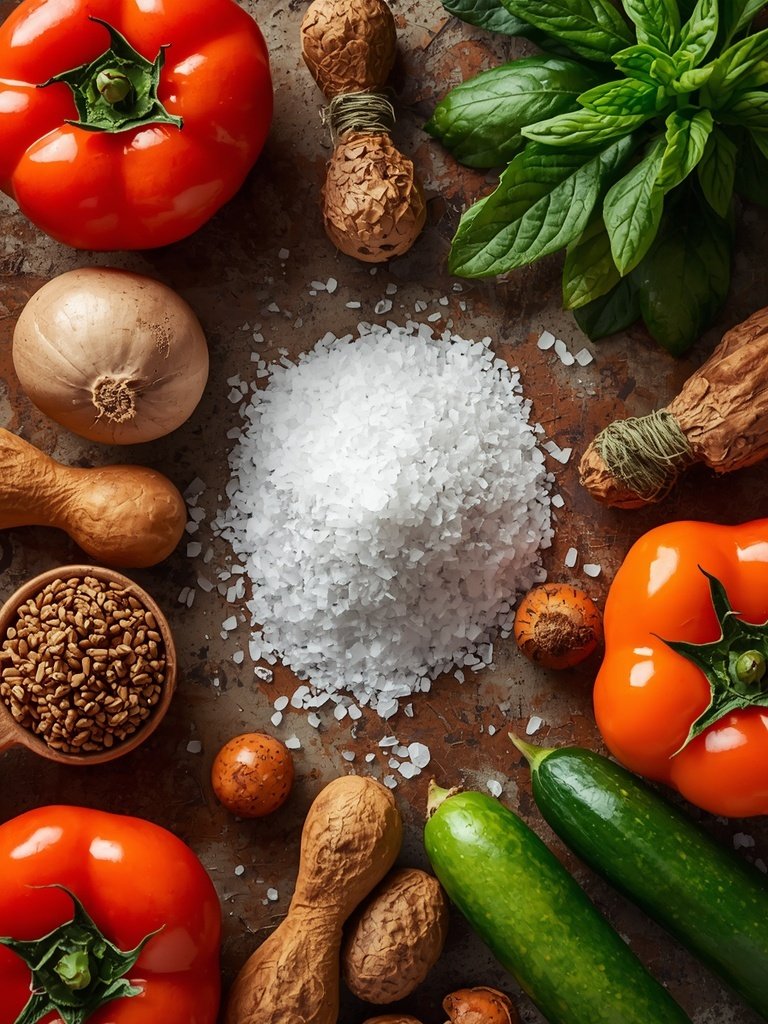
0.2 g (2 × Pinch)
•
B: 0g · T: 0g · W: 0g
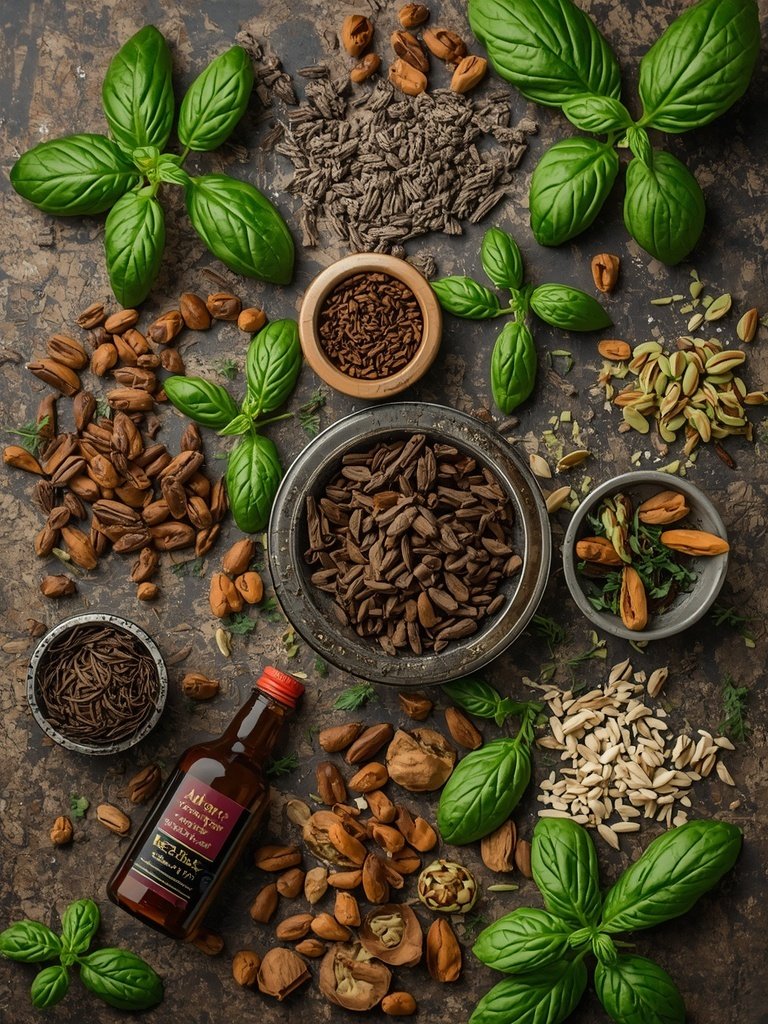
Dried basil
$0.01
· Walmart
2 g (1 × Teaspoon)
•
B: 0.3g · T: 0.1g · W: 1.2g
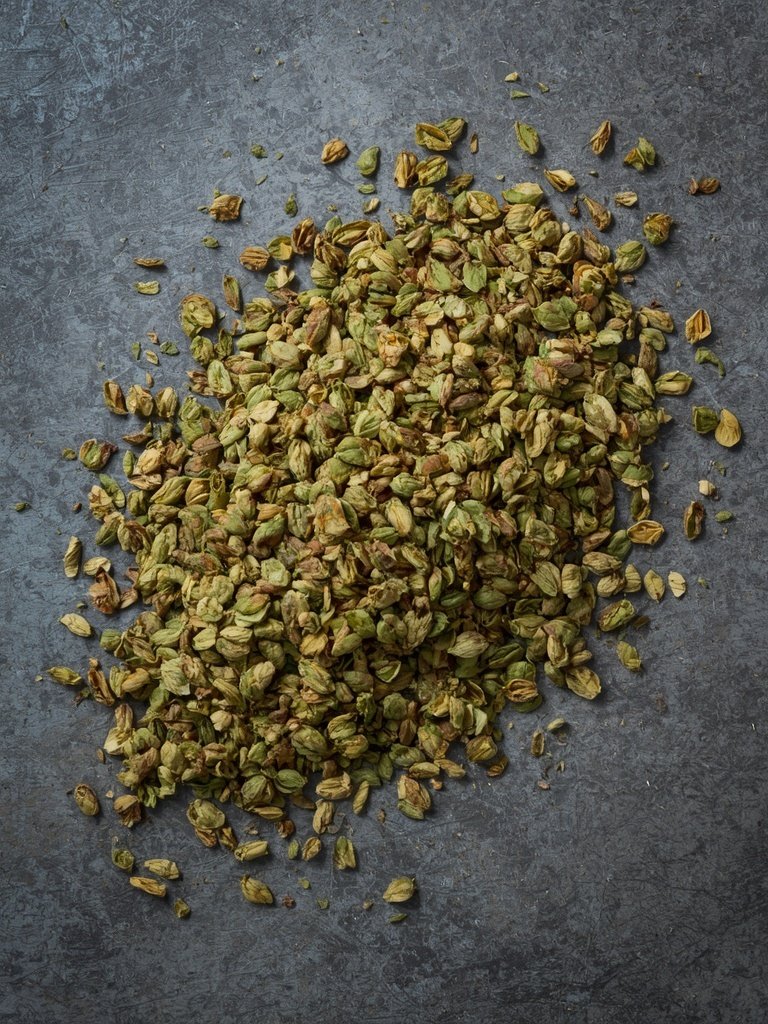
Dried oregano
$0.01
· Walmart
2 g (1 × Teaspoon)
•
B: 0.2g · T: 0.2g · W: 1.3g
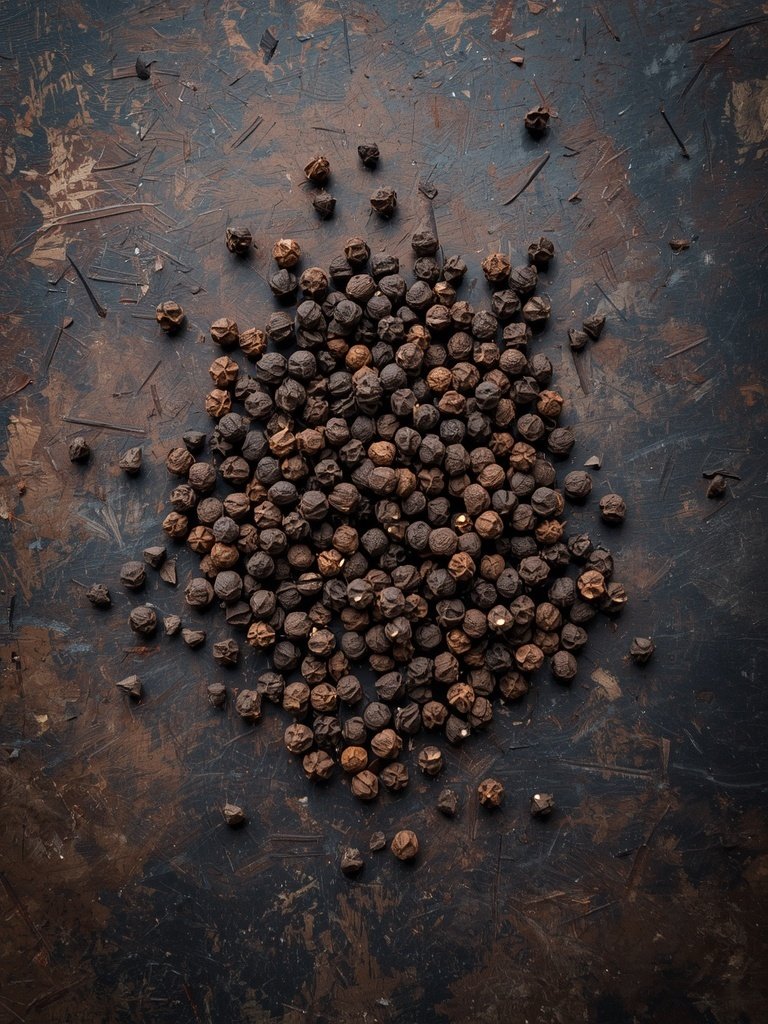
1 g (1 × Pinch)
•
B: 0.1g · T: 0g · W: 0.6g
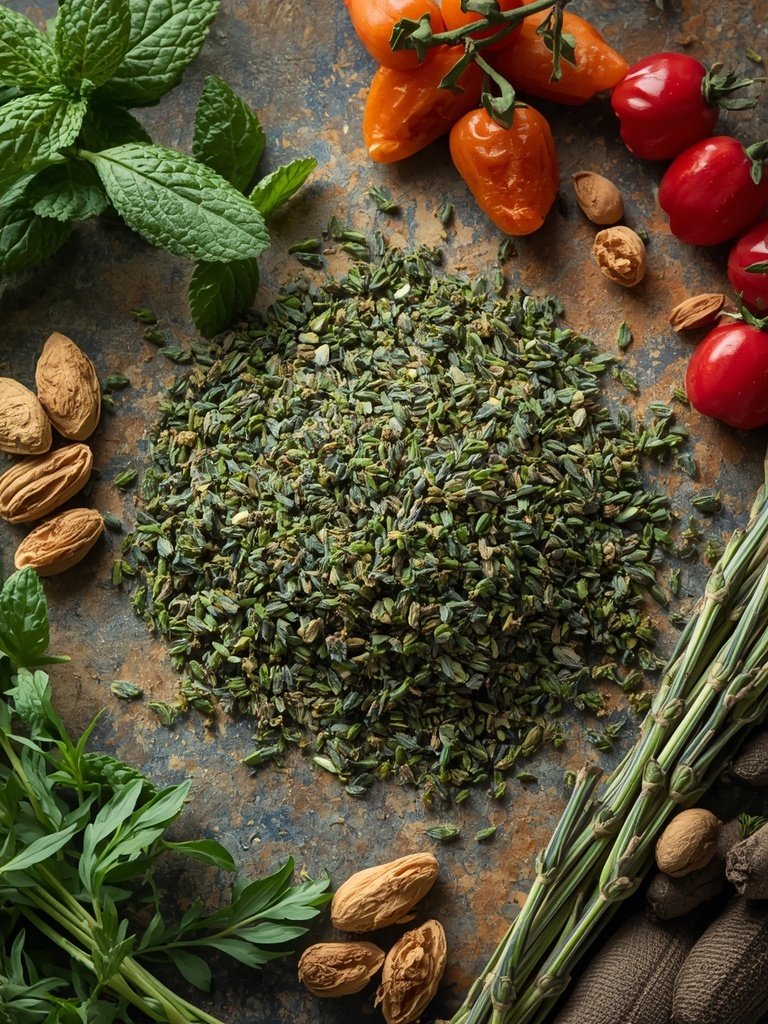
Dried thyme
$0.02
· Walmart
4 g (1 × Teaspoon)
•
B: 0.4g · T: 0.1g · W: 2.4g
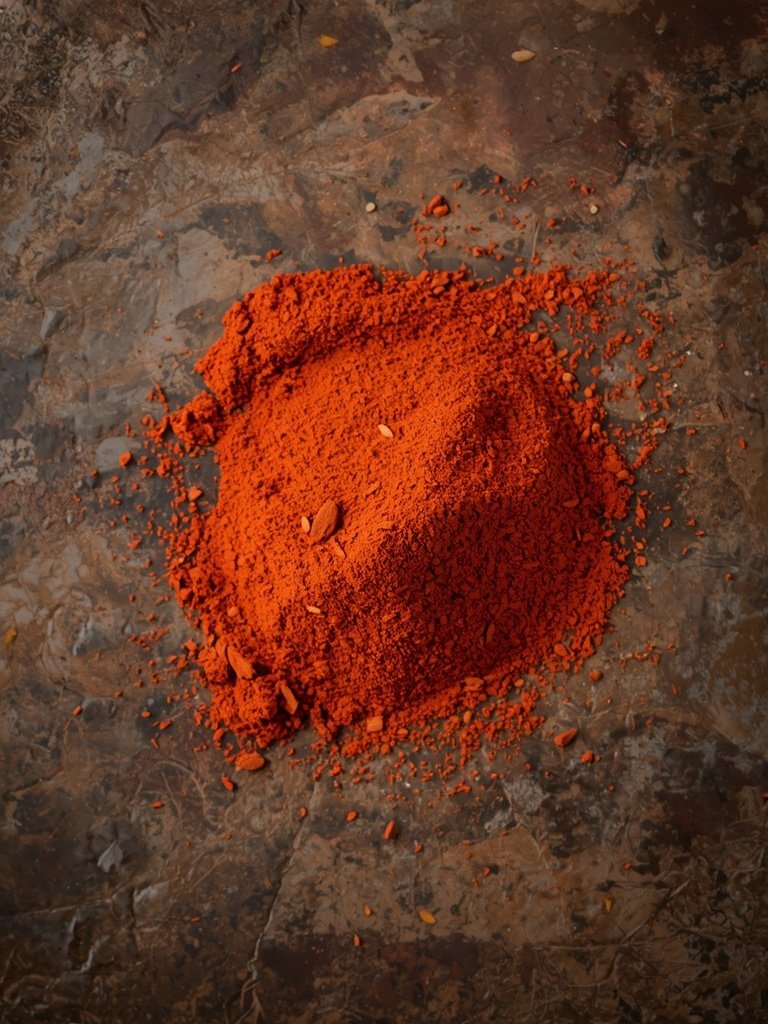
Sweet paprika powder
$0.01
· Walmart
4 g (1 × Teaspoon)
•
B: 0g · T: 0g · W: 0.2g
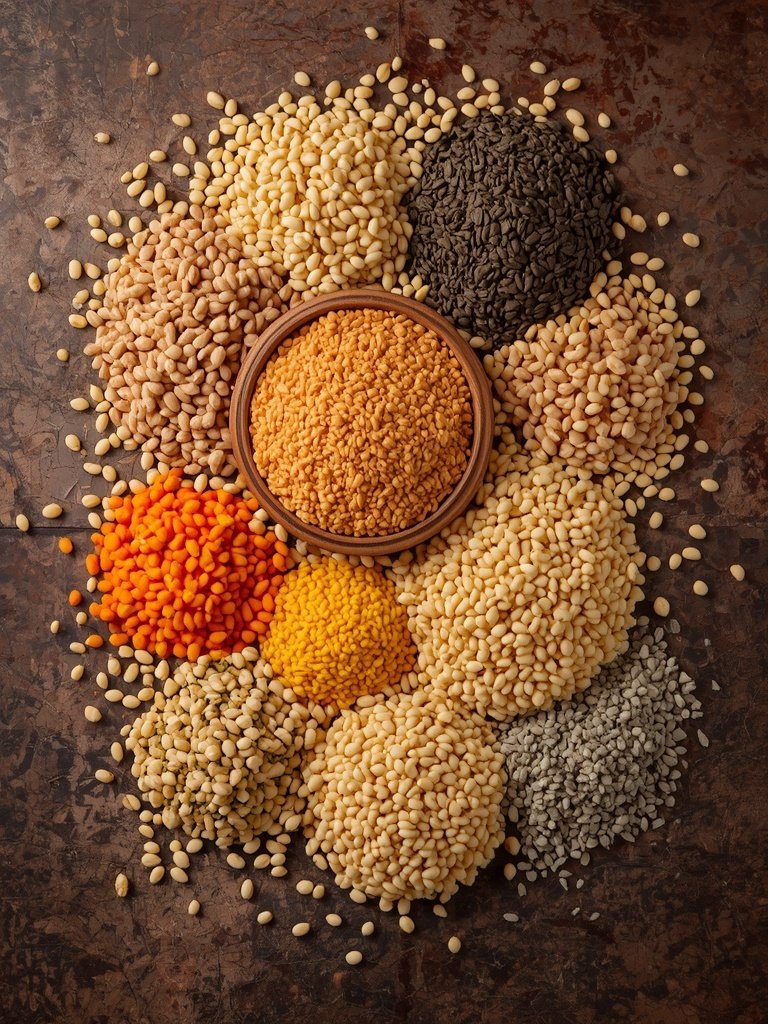
Couscous
$0.12
· Walmart
60 g (60 × Gram)
•
B: 7.8g · T: 0.6g · W: 46.2g
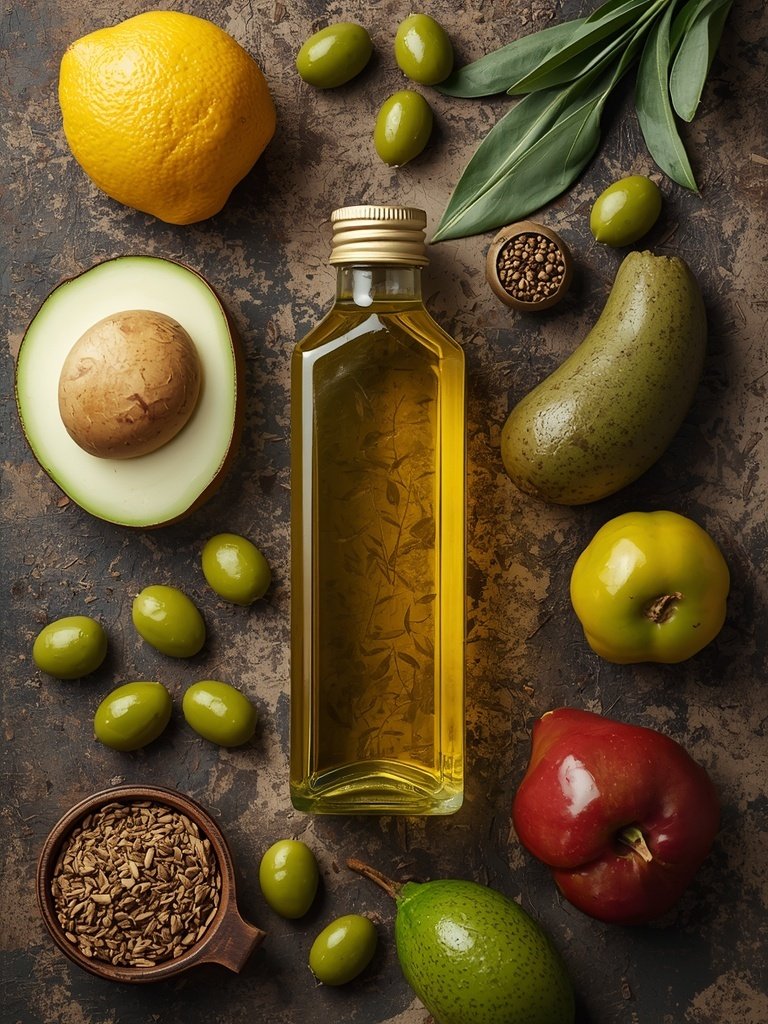
Olive oil
$0.06
· Walmart
5 g (1 × Teaspoon)
•
B: 0.1g · T: 5g · W: 0g
Glucose Curve
Blood Glucose Curve (0-180 min)
Biochemical model of blood glucose dynamics (0-180 min) accounting for fat, protein, and fiber buffering.
Glycemic Load (GL): High (21)
Chart series:
Time horizon:
Clinical Insight (Glycemic Model)
High glycemic load (GL 21) may trigger a pronounced glucose peak (~121 mg/dL) — consider pairing with a post-meal walk or extra fiber.
Glycemic Load (GL)
High
21
GL pts
Glycemic Load (GL) combines both the Glycemic Index (GI) and the actual amount of digestible carbohydrates in a serving.
Clinical thresholds: Low ≤ 10 pts • Moderate 11–19 pts • High ≥ 20 pts
Index (GI)
25
Glucose peak
121
mg/dL
P+F+Fiber buffer
0.71
🛡️ Glycemic buffering in this meal
Protein (34 g), fat (16.1 g), and dietary fiber (11.4 g) slow gastric emptying and attenuate the postprandial glucose peak.
Net carbohydrates (digestible)
83.8 g
Simple sugars: 17.1 g
Slowing fiber: 11.4 g
Select store chain to compare ingredient prices:
Ingredients cost in selected store (Lidl)
—

Ground turkey
100 g (100 × Gram)
0,59 €
Lidl

Wheat flour type 550
15 g (1 × Tablespoon)
0,06 €
Lidl

Diced tomatoes in a can
200 g (0.5 × Can)
0,46 €
Lidl

Tomato
200 g (1 × Large piece)
0,46 €
Lidl

Carrot
160 g (2 × Piece)
0,09 €
Lidl

Garlic
8 g (2 × Clove)
0,02 €
Lidl

Table salt
0.2 g (2 × Pinch)
0,00 €
Lidl

Dried basil
2 g (1 × Teaspoon)
0,01 €
Lidl

Dried oregano
2 g (1 × Teaspoon)
0,01 €
Lidl

Black pepper
1 g (1 × Pinch)
0,01 €
Lidl

Dried thyme
4 g (1 × Teaspoon)
0,02 €
Lidl

Sweet paprika powder
4 g (1 × Teaspoon)
0,01 €
Lidl

Couscous
60 g (60 × Gram)
0,11 €
Lidl

Olive oil
5 g (1 × Teaspoon)
0,06 €
Lidl
Energy distribution from macronutrients
662 kcal
Protein
34 g (21%)
Fat
16.1 g (22%)
Carbs
95.2 g (57%)
Acidity
0.8 g
Added sugar
4 g
Alanine
60 g
Alcohol
4 g
Alpha-linolenic acid
0 g
Animal protein
18 g
Argentina
70.1 g
Ash
6.5 g
Aspartic acid
180 g
Beta-Carotene
770.2 µg
Beta-cryptoxanthin
22 µg
Beta-glucans
1.6 g
Beta-sitosterol
32 mg
Bor
20.6 mg
Calcium
214.9 mg
Campesterol
1 g
Carbohydrates
95.2 g
Carbohydrates, total
24.8 g
Carotene Alpha
202 µg
Carotene Beta
14299.1 mg
Cheese
60 g
Chlor
198.4 mg
Chlor
277.4 mg
Cholesterol
140.6 mg
Chromium
3 µg
Citric acid
600.9 mg
Cobalt
2.2 µg
Copper
1 mg
Cranberry juice
100.4 g
Cysteine
10 g
Energy
6.1 kJ
Fat
16.1 g
Fat, total
9.6 g
Fiber
17.8 g
Fitosterol
45.2 mg
Fluor
2 mg
Folic acid
90.4 µg
Fructose
6.3 g
Galaxy
2.2 g
Glucose
6.7 g
Glutamine
124.2 g
Glutamine
292.2 g
Glycine
50 g
Histidine
30 g
Hydroxyproline
2 g
Insoluble fiber
7.9 g
Insoluble fiber
3.8 g
Inulin
1 g
Iodine
4.1 µg
Iron
9.9 mg
Isoleucine
50 g
Lactose
4.9 g
Leucine
80 g
Lignin
0.2 g
Linoleic acid
0.7 g
Lutein
78 µg
Lutein + zeaxanthin
974.7 mg
Lymphopenia
5164.8 µg
Lysine
81.6 g
Magnesium
162 mg
Maltose
4 g
Manganese
2.2 mg
Methionine
20.5 g
Molybdenum
5 µg
Monounsaturated fatty acids
15.9 g
Nickel
2 mg
Nitrate
20 mg
Nitrogen
28 g
Oleic acid
3.5 g
Omega 3
0.6 g
Omega 6
5.7 g
Oxalic acid
102.4 mg
Palmitic Acid
0.7 g
Phenylalanine
60 g
Phosphorus
528 mg
Phytoen
6004.4 µg
Phytofluen
603.6 µg
Plant protein
0.2 g
Polyols
2 g
Polyunsaturated fatty acids
7.2 g
Potassium
2187.1 mg
Proline
50 g
Protein
34 g
Quinic acid
0 g
Salt
200.8 g
Saturated fatty acids
10.1 g
Selenium
59.5 µg
Sodium
403.7 mg
Soluble fiber
5 g
Soluble fiber
1.9 g
Sponge cake
2 mg
Starch
62.1 g
Stearic Acid
0.1 g
Stigmasterol
0.6 g
Sucrose
3.9 g
Sugar
19.6 g
Sugar alcohols
3.6 g
Sulfur
32.2 mg
Taurine
302 mg
Threonine
50 g
Total sugar alcohol
3.6 g
Trans fatty acids
6.5 g
Tryptophan
20 g
Tyrosine
40 g
Valina
70 g
Vitamin A
3554.2 µg
Vitamin B1 (Thiamine)
1 mg
Vitamin B12 (Cobalamin)
2.6 µg
Vitamin B2 (Riboflavin)
0.9 mg
Vitamin B3 (Niacin)
11.6 mg
Vitamin B4 (Choline)
103.3 mg
Vitamin B5 (Pantothenic acid)
0.8 mg
Vitamin B6 (Pyridoxine)
1.9 mg
Vitamin B7 (Biotin)
3 mg
Vitamin B8 (Inositol)
41 mg
Vitamin B9 (Folic acid)
79.4 µg
Vitamin C (Ascorbic acid)
108.6 mg
Vitamin D
5.3 µg
Vitamin D3
1.6 µg
Vitamin E
9.6 mg
Vitamin K
136.5 µg
Water
606 g
Zeaxanthin
0 µg
Zinc
5.7 mg
Shopping List — Turkey meatballs in tomato sauce with couscous
14 Ingredients
4
Meal 4
19:00
GL 21.6
1,03 €
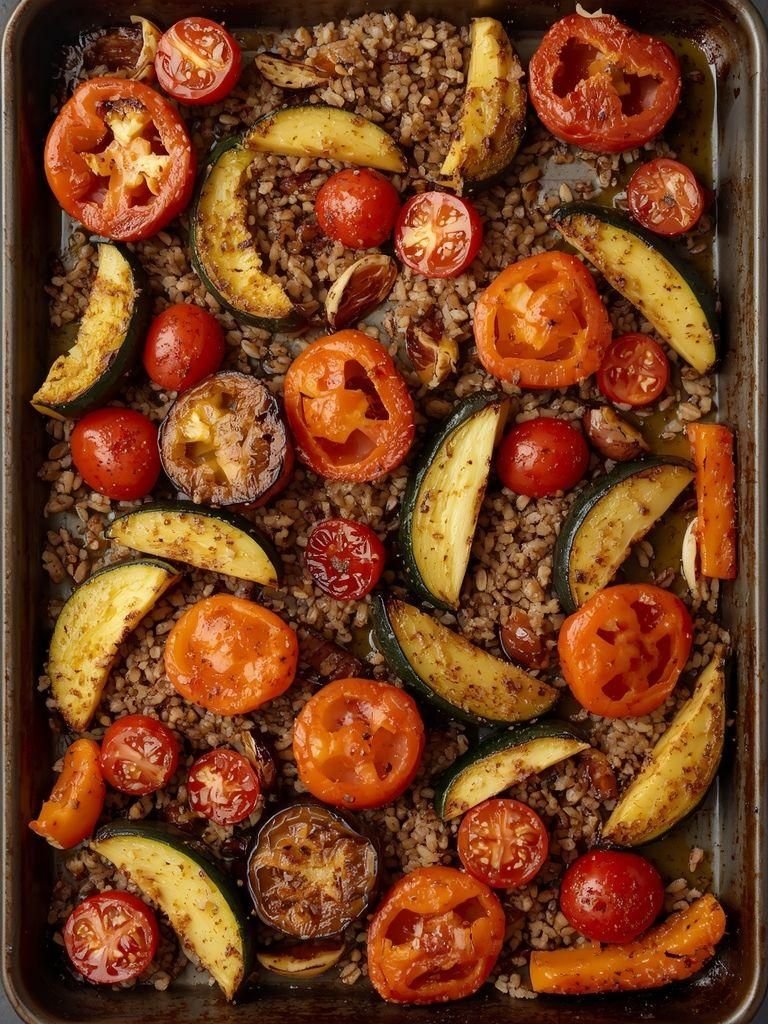
Bulgur with roasted vegetables
Ingredients are part of the recipe (1)
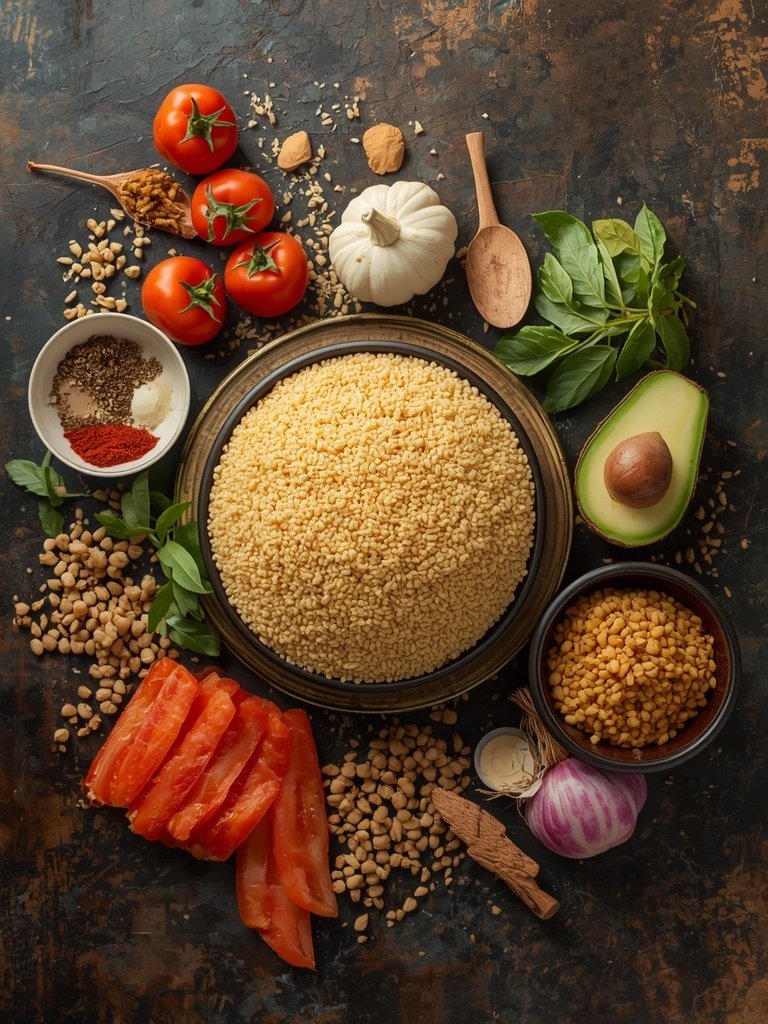
Bulgur wheat
$0.09
· Walmart
45 g (3 × Tablespoon)
•
B: 5.6g · T: 0.8g · W: 27.5g
Preparation of the recipe (4)
-
1
Rinse the bulgur groats in a fine sieve under running water, then cook in lightly salted water until tender.
-
2
Wash the vegetables. Slice the eggplant, sprinkle with salt, let sit briefly, then rinse with boiling water in a sieve and pat dry. Cut the zucchini and tomato into thick slices, and cut the deseeded red bell pepper into strips.
-
3
Preheat the oven to 180°C. Arrange the prepared vegetables on a baking sheet, brush with the olive oil, and sprinkle with Herbes de Provence.
-
4
Roast the vegetables in the preheated oven for 40–50 minutes until tender and lightly browned. Serve warm with the cooked bulgur.
Ingredients (6)
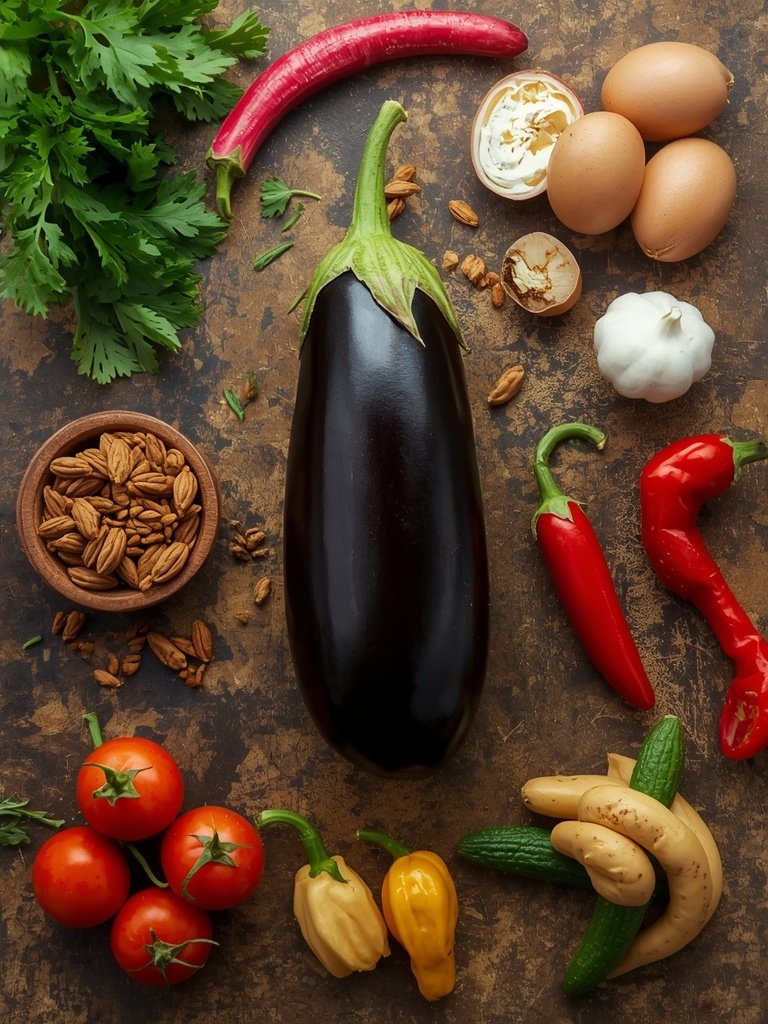
Eggplant
$0.13
· Walmart
75 g (0.5 × A small piece)
•
B: 0.8g · T: 0.1g · W: 4.7g

Zucchini
$0.07
· Walmart
41.25 g (0.25 × A small piece)
•
B: 0.5g · T: 0g · W: 1.3g
Tomato
$0.20
· Walmart
80 g (1 × A small piece)
•
B: 0.7g · T: 0.2g · W: 2.9g
Olive oil
$0.28
· Walmart
24 g (2 × Tablespoon)
•
B: 0.2g · T: 23.9g · W: 0g

Red bell pepper
$0.26
· Walmart
80 g (0.5 × Piece)
•
B: 0.8g · T: 0.2g · W: 4.8g
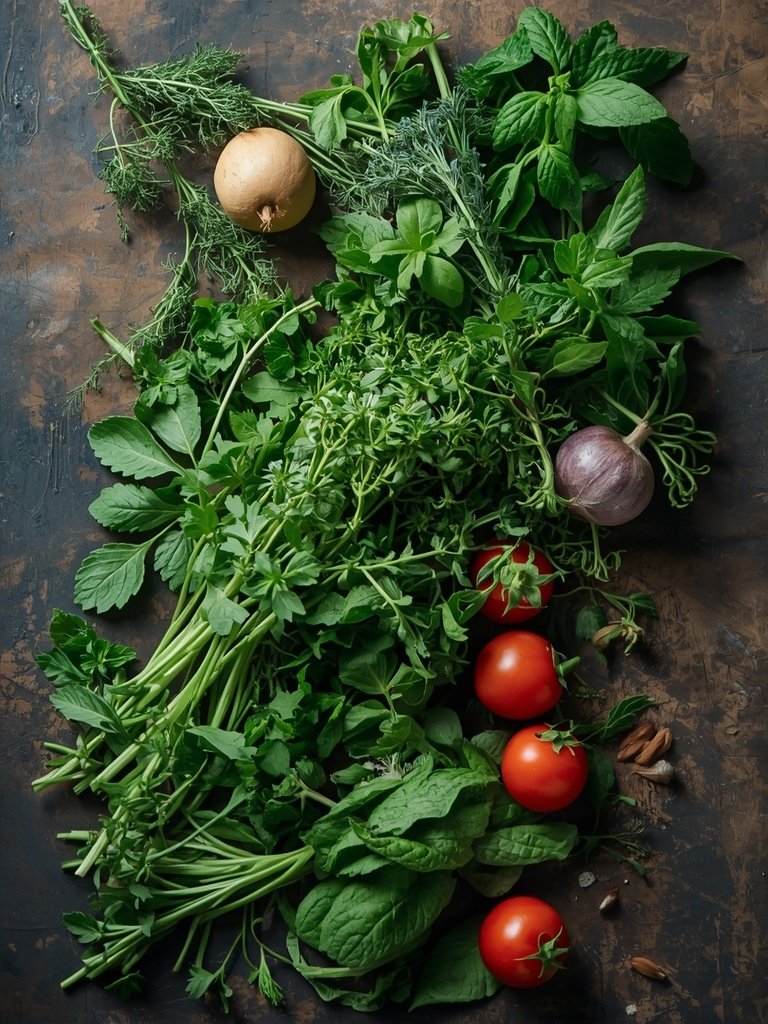
0.4 g (2 × Pinch)
•
B: 0g · T: 0g · W: 0.3g
Glucose Curve
Blood Glucose Curve (0-180 min)
Biochemical model of blood glucose dynamics (0-180 min) accounting for fat, protein, and fiber buffering.
Glycemic Load (GL): Moderate (12.8)
Chart series:
Time horizon:
Clinical Insight (Glycemic Model)
Moderate glycemic load (GL 12.8) leads to a controlled glucose rise up to ~108 mg/dL followed by a gradual return to baseline.
Glycemic Load (GL)
Moderate
12.8
GL pts
Glycemic Load (GL) combines both the Glycemic Index (GI) and the actual amount of digestible carbohydrates in a serving.
Clinical thresholds: Low ≤ 10 pts • Moderate 11–19 pts • High ≥ 20 pts
Index (GI)
35
Glucose peak
108
mg/dL
P+F+Fiber buffer
1
🛡️ Glycemic buffering in this meal
Protein (8.7 g), fat (25.3 g), and dietary fiber (5 g) slow gastric emptying and attenuate the postprandial glucose peak.
Net carbohydrates (digestible)
36.5 g
Simple sugars: 7.5 g
Slowing fiber: 5 g
Select store chain to compare ingredient prices:
Ingredients cost in selected store (Lidl)
—

Bulgur wheat
45 g (3 × Tablespoon)
0,08 €
Lidl

Eggplant
75 g (0.5 × A small piece)
0,12 €
Lidl

Zucchini
41.25 g (0.25 × A small piece)
0,06 €
Lidl
Tomato
80 g (1 × A small piece)
0,18 €
Lidl
Olive oil
24 g (2 × Tablespoon)
0,26 €
Lidl

Red bell pepper
80 g (0.5 × Piece)
0,24 €
Lidl

Provençal herbs
0.4 g (2 × Pinch)
0,00 €
Lidl
Energy distribution from macronutrients
428 kcal
Protein
8.7 g (8%)
Fat
25.3 g (53%)
Carbs
41.5 g (39%)
Acidity
0.3 g
Added sugar
0.8 g
Alanine
24 g
Alcohol
0.8 g
Alpha-linolenic acid
0.2 g
Argentina
28 g
Ash
2.2 g
Aspartic acid
72 g
Beta-Carotene
11.7 µg
Beta-cryptoxanthin
8 µg
Beta-glucans
0.2 g
Beta-sitosterol
39.1 mg
Bor
0.2 mg
Calcium
48.8 mg
Campesterol
0.4 g
Carbohydrates
41.5 g
Carbohydrates, total
2.9 g
Carotene Alpha
80.8 µg
Carotene Beta
445.8 mg
Cheese
24 g
Chlor
48.7 mg
Chlor
65.4 mg
Cholesterol
2.7 mg
Chromium
0.8 µg
Citric acid
0.3 mg
Cobalt
0.8 µg
Copper
0.4 mg
Cranberry juice
0.1 g
Cysteine
4 g
Fat
25.3 g
Fat, total
0.2 g
Fiber
8.9 g
Fitosterol
74.2 mg
Fluor
0.8 mg
Folic acid
24.2 µg
Fructose
4.1 g
Galaxy
1.3 g
Glucose
4.1 g
Glutamine
116.8 g
Glutamine
48 g
Glycine
20 g
Histidine
12 g
Hydroxyproline
0.8 g
Insoluble fiber
5.9 g
Inulin
0.1 g
Iodine
0.8 µg
Iron
2.7 mg
Isoleucine
20 g
Lactose
1.3 g
Leucine
32 g
Linoleic acid
2.4 g
Lutein + zeaxanthin
657.1 mg
Lymphopenia
2058.4 µg
Lysine
32 g
Magnesium
136.1 mg
Maltose
0.8 g
Manganese
1.2 mg
Methionine
8 g
Molybdenum
0.8 µg
Monounsaturated fatty acids
17.3 g
Nickel
0.8 mg
Nitrogen
11.2 g
Oleic acid
16.8 g
Omega 3
0.2 g
Omega 6
3 g
Oxalic acid
4 mg
Palmitic Acid
3.2 g
Phenylalanine
24 g
Phosphorus
282.3 mg
Phytoen
2400 µg
Phytofluen
240 µg
Polyols
0.8 g
Polyunsaturated fatty acids
3.2 g
Potassium
931.1 mg
Proline
20 g
Protein
8.8 g
Salt
0.1 g
Saturated fatty acids
3.9 g
Selenium
2.2 µg
Sodium
15.3 mg
Soluble fiber
2.7 g
Sponge cake
5.3 mg
Starch
26.9 g
Stearic Acid
0.6 g
Stigmasterol
0.2 g
Sucrose
0.8 g
Sugar
9.4 g
Sugar alcohols
0.8 g
Sulfur
59.1 mg
Taurine
0.8 mg
Threonine
20 g
Total sugar alcohol
0.5 g
Trans fatty acids
1.5 g
Tryptophan
8 g
Tyrosine
16 g
Valina
28 g
Vitamin A
236.7 µg
Vitamin B1 (Thiamine)
0.7 mg
Vitamin B12 (Cobalamin)
1 µg
Vitamin B2 (Riboflavin)
0.4 mg
Vitamin B3 (Niacin)
3.3 mg
Vitamin B4 (Choline)
10.5 mg
Vitamin B5 (Pantothenic acid)
0.9 mg
Vitamin B6 (Pyridoxine)
0.9 mg
Vitamin B7 (Biotin)
0.8 mg
Vitamin B8 (Inositol)
16 mg
Vitamin B9 (Folic acid)
61.8 µg
Vitamin C (Ascorbic acid)
125.5 mg
Vitamin D
1 µg
Vitamin E
5.5 mg
Vitamin K
34 µg
Water
261.2 g
Zinc
0.9 mg
Shopping List — Bulgur with roasted vegetables
7 Ingredients

Gentle Digestive Reset – 3-Day Light Meal Plan 1700 kcal
★ 4.9 · Instant (PDF + email)
$5.99
Gross price (includes VAT)
·
Instant Digital Delivery: $0.00
What you get immediately:
- Complete day-by-day meal plan with exact weights, recipes, and shopping list
- Balanced macros (P/F/C), calories, and full vitamin & mineral RDA coverage
- Print-ready PDF book plus interactive meal editing directly in your dashboard
Instant Digital Delivery
$0.00 · InstantReady PDF meal plan + shopping list & macros right after payment
Secure Payment Methods
SSL 256-Bit
bl
i
k
Przelewy
24
PayPal
VISA
Mastercard
Apple Pay
Google Pay
Przelew
Legal & Medical Notice (§3 & §9 Terms): Diets, workout plans, and e‑books are for informational purposes only (not medical advice) and are used at your own risk after consulting a physician and verifying food allergens. Digital PDF files are non‑refundable upon download (EU Dir. 2011/83/EU Art. 16(m)); PRO subscriptions include 1‑Click Cancel.

Bio-Analysis
Diet Plan
Lekki Restart Trawienia – 3-dniowy plan lekkostrawny 1700 kcal
1808 kcal
B: 59.4g
T: 64.9g
W: 246.6g
For Trainees
Latest Diets
Discover other diet plans with similar goals and nutrients.
WEIGHT LOSS / SLIMMING
20.59 zł / day
· Walmart

Weight Loss
1800 KCAL · 28 DAYS
Form & Strength – 4-Week Low-Carb Training & Nutrition Plan 1800 kcal
This nutritional program follows a low-carbohydrate philosophy designed to naturally regulate appetite and optimize metabolic function through a strategic balance of proteins and healthy fats. The culinary architecture focuses on nutrient-dense ingredients that provide essential building blocks for the body while ensuring long-lasting satiety. By prioritizing high-quality macronutrients over refined carbohydrates, the diet creates a stable foundation for improved physical performance and overall vitality. The metabolic mechanism is centered on maintaining steady blood glucose levels, which effectively prevents the energy crashes and hunger spikes often associated with conventional eating patterns. The inclusion of sufficient protein increases the thermic effect of food, requiring the body to expend more energy during digestion. This process, combined with improved insulin sensitivity, encourages the body to utilize fat stores more efficiently, fostering a consistent energy supply and supporting healthy body composition goals without the need for restrictive counting. Designed for individuals seeking a sustainable path to a stronger and leaner physique, this plan integrates gentle physical activity to enhance fat burning while preserving muscle mass. The approach promotes long-term wellness by reducing cortisol levels and building consistent habits that support both mental and physical health. With practical advice on meal preparation and storage, the program is tailored to fit seamlessly into a busy lifestyle, making healthy living an achievable and enjoyable daily routine.
14.00 $
PDF + List
WEIGHT LOSS / SLIMMING
20.01 zł / day
· Walmart

Weight Loss
1800 KCAL · 14 DAYS
Reduction PRO – 28-Day Meal Plan 1800 kcal (4 Meals Daily)
A balanced four-meal nutrition plan built around everyday supermarket ingredients and a harmonious mix of protein, complex carbohydrates, and healthy fats. Its steady daily meal rhythm makes it easier to stay consistent and curb between-meal snacking without complicated cooking. A wide rotation of savory and sweet dishes supports sustainable, long-term eating habits.
14.00 $
PDF + List
HIGH PROTEIN
21.66 zł / day
· Walmart

Weight Loss
2000 KCAL · 14 DAYS
Balance & Satiety – 28-Day Meal Plan 2000 kcal (4 Meals Daily)
The Protein Balance nutrition plan is a well-rounded concept built upon a generous intake of high-quality protein, designed to optimally nourish the body while supporting weight reduction. Its culinary character emphasizes delicious, satisfying meals featuring lean meats, fish, eggs, dairy, and legumes, all easy to prepare to simplify daily life. This approach fosters mindful eating, harmoniously blending enjoyment with effectiveness. The careful composition of meals within this plan supports stable blood sugar regulation, thereby preventing sudden cravings and promoting a lasting sense of fullness. The elevated protein intake contributes to boosting metabolism and increasing post-meal thermogenesis, which enhances the body's energy expenditure. This aids in optimizing fat burning while simultaneously preserving muscle mass, essential for sustained well-being and consistent energy levels. This nutrition plan is tailored for individuals seeking effective and sustainable weight reduction without sacrificing culinary pleasure. It is ideal for active people who wish to protect their musculature and enhance their performance, as well as for anyone looking to invigorate their metabolism and improve their daily energy. The straightforward implementation and clear guidance make this plan a practical solution for a healthy and vibrant lifestyle.
14.00 $
PDF + List
WEIGHT LOSS / SLIMMING
18.19 zł / day
· Walmart

Weight Loss
1600 KCAL · 28 DAYS
Balanced Figure – 4-Week 1600 kcal Plan (4 Meals Daily)
This four-week nutrition plan is built upon a high-protein philosophy designed to support a healthy body transformation through the inclusion of lean meats, fish, eggs, dairy, and legumes. The culinary architecture focuses on natural, nutrient-dense ingredients that provide the body with the essential building blocks for a lean and confident physique. By prioritizing these high-quality protein sources, the plan creates a sustainable framework for mindful eating that is both simple to follow and highly effective. The metabolic mechanism of this diet leverages the thermic effect of protein digestion, which naturally boosts the body's ability to burn fat. By balancing meals to ensure steady blood sugar levels, the plan effectively prevents cravings and promotes long-lasting satiety throughout the day. This consistent energy supply helps maintain focus and vitality, allowing the body to function optimally without the need for constant snacking or restrictive measures. This program is ideal for individuals on a weight loss journey, those who are physically active and wish to preserve muscle mass, or busy professionals seeking a convenient and reliable health solution. By providing clear guidance and structured recipes, the plan empowers users to optimize their metabolism and regain energy in their daily lives. It offers a practical path toward a healthier lifestyle, ensuring that achieving a lean body becomes a rewarding and sustainable experience.
14.00 $
PDF + List
WEIGHT LOSS / SLIMMING
20.27 zł / day
· Walmart

Weight Loss
1600 KCAL · 14 DAYS
Strength of Your Body – 28-Day 1600 kcal Plan (3 Hearty Meals)
A practical four-week meal plan built around three larger, satisfying meals per day for anyone who prefers streamlined cooking without frequent snacking. It combines lean proteins, fish, whole-grain bakery staples, fresh vegetables, and light desserts into a clear daily routine. The simple structure supports consistent everyday eating habits and stress-free grocery planning.
14.00 $
PDF + List
WEIGHT LOSS / SLIMMING
23.55 zł / day
· Walmart

Weight Loss
2200 KCAL · 14 DAYS
Protein & Energy – 28-Day 2200 kcal Plan for Active Lifestyles (4 Meals)
This four-week nutritional program centers around a high-protein architecture designed to promote healthy weight loss while preserving lean muscle mass. The culinary character of the diet relies on wholesome, natural ingredients such as lean meats, fresh fish, eggs, dairy, and wholesome legumes, organized into straightforward recipes with clear shopping lists. This approach ensures that eating mindfully remains simple, pleasurable, and entirely free from extreme restrictions, making long-term adherence both natural and achievable. From a metabolic perspective, the emphasis on protein-dense foods increases the thermic effect of feeding, thereby boosting natural fat oxidation and caloric expenditure during digestion. The resulting meals provide sustained satiety that keeps hunger at bay and successfully curbs untimely cravings without constant snacking. By promoting stable blood sugar dynamics, the program ensures steady, lasting energy throughout the day, preventing fatigue and supporting optimal physical recovery and overall vitality. This plan is ideally suited for individuals pursuing effective weight management, physically active persons aiming to maintain muscle tone and performance, and busy professionals needing a convenient, results-driven nutrition framework. By combining metabolic efficiency with ease of preparation, the program empowers participants to reach their body composition goals while enjoying a lighter, more energetic daily lifestyle.
14.00 $
PDF + List
WEIGHT LOSS / SLIMMING
22.09 zł / day
· Walmart

Weight Loss
1800 KCAL · 14 DAYS
Target Shape – 28-Day 1800 kcal Cutting Plan (3 Meals Daily)
A clear monthly meal plan built around three satisfying main meals, making consistent nutrition simple even on a busy schedule. It pairs quality proteins, fish, whole grains, and fresh vegetables while minimizing daily cooking time. Designed to promote lasting fullness, regular eating rhythms, and sustainable long-term habits.
14.00 $
PDF + List
WEIGHT LOSS / SLIMMING
22.09 zł / day
· Walmart

Weight Loss
2000 KCAL · 14 DAYS
Slim Figure 28 – 28-Day 2000 kcal Meal Plan (3 Meals Daily)
A monthly meal plan centered on three generous, well-balanced daily meals, built for men pursuing weight management and active professionals with packed schedules. It brings together fish, lean meats, legumes, whole-grain bakery staples, and fresh vegetables to support comfortable digestion and lasting satiety. Its clean structure simplifies grocery shopping and encourages steady, sustainable habits.
14.00 $
PDF + List
All Applications Ecosystem
Tailored Clinical Tools, Generators & Calculators
Clinical protocolExplore dedicated Diets Premium ecosystem applications matched to this topic or cycle through more clinical tools.
Flagship Creator
Clinical Diet Generator
Builds personalized nutrition plans across medical conditions, allergen exclusions, budget, and cooking time.
Diet generator
Calories & Macros
Exclusions & Allergens
Open application

Meal Plan & Shopping List Builder
Analytics Engine
Health & Diet Selection Assistant
Conducts a natural-language health interview and recommends the optimal clinical diet template.
Diets
Health
Fitness Goals & Fat Loss
Open application
Interactive Nutritional Intake
Free Tool
BMR & TDEE Calculator (PPM / CPM)
Computes resting metabolic rate (Mifflin-St Jeor, Harris-Benedict, Katch-McArdle) and target caloric intake.
BMR / TDEE
Calories & Macros
Diets
Open application

Basal & Total Daily Energy Expenditure
Women & Pregnancy
Pregnancy & Motherhood Center
Clinical guide to trimester-specific nutrition, key micronutrients (folate, DHA, iron, iodine), and maternal wellness.
Diets
Supplementation
Open application

Comprehensive Maternal Nutrition Care
Loading
§
Medical Disclaimer & Use at Your Own Risk (§3 & §9 Terms of Use)
All diet plans, meal schedules, nutritional calculations, shopping lists, and workout suggestions presented on this page are provided strictly for informational, educational, and illustrative purposes and do not constitute medical advice, clinical diagnosis, or healthcare services. Every diet plan is applied strictly at the User’s own risk and sole responsibility (§3 Terms of Use). Before starting any diet or exercise plan, you must consult a licensed physician to rule out contraindications and independently verify all product labels for food allergens and intolerances (EU Reg. 1169/2011). Downloaded digital PDF plans are non‑refundable upon delivery (EU Directive 2011/83/EU Art. 16(m) / US Final Sale); subscriptions can be canceled with 1 click at any time. See our Terms of Use and Privacy Policy (GDPR Art. 9).