PRO
CLINICAL KNOWLEDGE MAGAZINE
7 min read
Which Products Support Nervous System Maintenance?

Mia Hoffmann
✓
Diets Premium Medical Expert • 23.03.2026
✓
Scientifically reviewed by a clinical dietitian:
This article has been peer-reviewed for adherence to IŻŻ, WHO, and PTGiP clinical nutritional standards.
| CLINICAL KNOWLEDGE MAGAZINE CLINICAL KNOWLEDGE MAGAZINE | min read 7 min |
| Diets Premium Medical Expert Mia Hoffmann | Scientifically reviewed by a clinical dietitian 23.03.2026 |

Smart Voice
•Listen to the article content live
0:00
/
0:00
Key Takeaways
Tension, irritability, difficulty concentrating, and stress are just some of the symptoms of a weakened nervous system. If we want to support it, it is worth paying attention to proper nutrition - certain products can significantly improve its function. Which ingredients play a crucial role in maintaining the smooth functioning of the nervous system?
Meal Plan
Want to apply these guidelines in your daily diet?
Our smart diet generator creates a tailored meal plan in 3 minutes based on the recommendations in this article.
PRO Content
PRO
This article is professional premium content (PRO) provided in its entirety.
Nuts and other edible seeds
Nuts and other edible seeds are a rich source of unsaturated fatty acids, which constitute the primary component of the brain. Fats make up to 60% of the mass of this organ and are essential for the healthy functioning of the central nervous system, enhancing the transmission of nerve impulses and acting as a protective factor for nerve cells. This prevents the onset of neurodegenerative diseases (e.g., Alzheimer's disease). Nuts and other edible seeds also contain essential minerals, among which magnesium is particularly important for the nervous system as it influences the synthesis of neurotransmitters, lowers the level of neuronal excitability, and regulates the sensitivity of neurons.
Oily marine fish
When discussing fats, it is crucial to highlight the significance of omega-3 fatty acids. This group includes eicosapentaenoic acid (EPA), docosahexaenoic acid (DHA), and alpha-linolenic acid (ALA). DHA is a fundamental component of the brain, while EPA primarily has anti-inflammatory and protective effects, which impact the proper functioning of the brain and nervous system. Omega-3 fatty acids play a pivotal role in the formation of new neural connections. Research suggests that a lowered level of omega-3s may also be correlated with the occurrence of nerve and lung functional disorders (J.J. and G.J., 2013). Additionally, a study has shown that omega-3 supplementation at a dose of 2.5 g/day reduced the noise level in medical students during exams. After 3 weeks, a reduction in the stress index of 20% was observed, as well as a decrease in the concentration of pro-inflammatory compounds such as interleukin-6 (IL-6) and tumor necrosis factor-alpha (TNF-α) (J. K. Kiecolt-Glaser et al., 2011). The best sources of EPA and DHA are oily marine fish, such as salmon, sardines, herring, and mackerel. It is recommended to consume them at least twice a week. In addition to unsaturated fatty acids, oily fish contain phosphatidylserine, which facilitates the transmission of signals between nerve cells and is essential for their proper functioning.
Plant-based oils abundant in omega-3 fatty acids
Omega-3 fatty acids include α-linolenic acid (ALA), which is primarily found in flaxseed oil and other plant-based oils such as rapeseed, coconut, and soybean oil. ALA has antioxidant properties that reduce oxidative stress. It also reduces the risk of damage to the endothelial cells of blood vessels and nerves, which contributes to an improvement in neurophysiological parameters. It also has a positive impact on carbohydrate and lipid metabolism by increasing insulin sensitivity and reducing triglyceride levels. Furthermore, a diet rich in ALA can improve concentration and increase stress resistance. However, it is important to note that ALA is very sensitive to external factors such as light, air, and high temperatures, which can lead to its oxidation and loss of valuable properties. Therefore, oils with high levels of α-linolenic acid should be stored in dark bottles, preferably in the refrigerator. Additional sources of ALA include flax and chia seeds, but they should be consumed in their unprocessed form as grinding and defatting the seeds can lead to a loss of valuable fatty acids.
Green foliage vegetables
Vegetables with leaves, such as spinach, lettuce, celery, rukola, or cabbage, are abundant in folic acid. This indispensable component is crucial for maintaining health and the proper functioning of the nervous system. It is responsible for the production of neurotransmitters, exhibits antidepressant effects, and participates in the synthesis of dopamine and serotonin, whose optimal levels are necessary for maintaining good mental health and overall satisfying feelings of happiness. Similar to unsaturated fatty acids, folic acid affects neuroplasticity.
Strawberries
Strawberries are also an important food to consider in a diet that supports the nervous system. Research has shown that regular consumption of strawberries has a positive impact on reducing symptoms of depression. This is due to the presence of tryptophan - an exogenous amino acid that is converted into serotonin in the human body. Serotonin plays a crucial role in the functioning of the nervous system and has an antidepressant effect. Furthermore, tryptophan is essential for the production of melatonin, which is responsible for the sleep rhythm. Therefore, strawberries are recommended for people suffering from insomnia. Their beneficial effect on the nervous system is also due to their high content of potassium, magnesium, and B vitamins, especially vitamin B6. These nutrients support the transmission of nerve impulses between cells, increase energy levels, help in combating fatigue and stress, and improve memory and concentration.
Bitter Chocolate - Recipes for Stress Alleviation
The consumption of bitter chocolate has a positive impact on stress alleviation, which has been confirmed by scientists. A study found that consuming around 40 g of chocolate daily for 14 days significantly contributed to a decrease in stress hormone levels (such as cortisol) and was associated with emotional relaxation. Moreover, it was observed to restore the biochemical balance that was disrupted by excessive stress (F.-P. J. Martin et al., 2009). Bitter chocolate also promotes the rise of serotonin levels, making it a natural antidepressant. An important component of chocolate is also theanine, which helps to calm the body, acts as a relaxant and improves concentration. The darker the chocolate, the more bioactive compounds it contains, so it is worth choosing products with a cocoa content of at least 70%.
Legume plants
Seeds of leguminous plants, such as beans, soybeans, pulses, and lentils, are a valuable source of vitamins and minerals essential for maintaining the proper functioning of the nervous system. Particularly important are B vitamins, which regulate the central nervous system. They are essential for the synthesis of neurotransmitters, such as dopamine and serotonin, support mental immunity by reducing susceptibility to stress, and also prevent neuronal damage. Deficiency of B vitamins can lead to chronic fatigue, weakness, irritability, attention and memory disorders, as well as anxiety and depression. Leguminous plants also provide magnesium, which is essential for the nervous system and is better absorbed in combination with vitamin B6. Additionally, soybean contains lecithin, which has a positive effect on memory and brain function.
Cereal products with full grain content
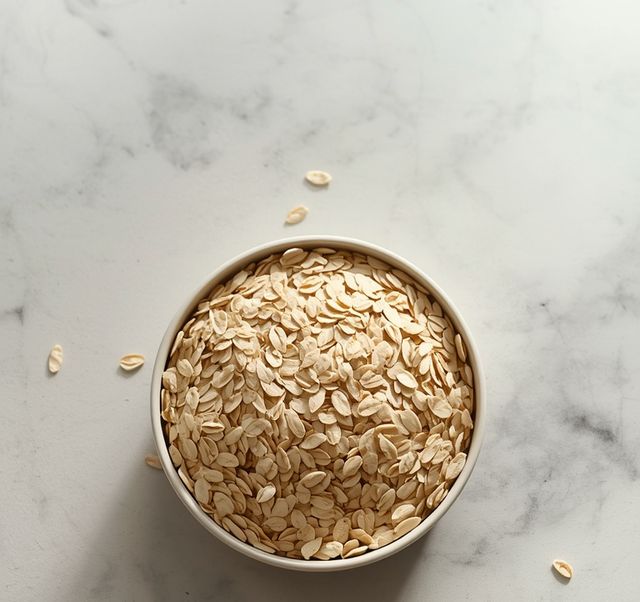
Similar to the seeds of cotton plants, cereal products with full grain content serve as a good source of magnesium and B vitamins. It is also worth emphasizing that whole grain bread, coarse grains, brown rice, raisins, oatmeal, and starch contain complex carbohydrates. The body requires more time to break them down into easily digestible simple sugars, such as glucose, which is the main source of energy. Extending the digestion process allows for glucose to be gradually released, enabling it to maintain its optimal concentration in the blood and be utilized as energy for the smooth operation of the brain.
Berries and berry fruits
Blueberries, berries, strawberries, raspberries, blackberries, aronia berries, and other berries are treasured sources of antioxidants – primarily anthocyanins, which belong to the polyphenols family. They safeguard the body from the detrimental consequences of free radicals, averting destructive changes in the brain. Additionally, they exhibit anti-inflammatory properties, fortify the body, and positively impact memory and concentration. Antioxidants present in berry fruits exhibit neuroprotective characteristics, safeguarding nerve cells and elevating receptor sensitivity, thereby enhancing nerve conduction.
Products rich in probiotics
The state of health of the gut microflora affects the functioning of the nervous system. This is due to the existence of a brain-gut axis, i.e. a signaling pathway between the digestive tract and the central nervous system. Disorders in the gut's bacterial flora, also known as dysbiosis, can contribute to the development of many diseases, including neurodegenerative conditions. To maintain the microbiological balance in the gut and thereby preserve the health of the nervous system, it is advisable to include natural products rich in probiotics in one's diet, such as fermented dairy products (yogurt, kefir, sour cream) and pickled vegetables.
Guide
Essential unsaturated fatty acids, B vitamins, folic acid and magnesium play a crucial role in the proper development and functioning of the nervous system. The significance of antioxidants, which exhibit protective effects and prevent the development of neurodegenerative diseases, cannot be overestimated. By incorporating the products described in this article into the diet, it is possible to naturally enhance the performance of the nervous system, which could lead to a reduction in the tension, anxiety, fatigue, and stress levels. This is extremely important for maintaining inner balance and mental health.
Tags
Mia Hoffmann
Diets Premium Medical Expert
Member of the Diets Premium clinical editorial board. Specializes in medical diet therapy, metabolic health, and nutritional planning.
View Profile →