Key Takeaways
In the eastern Asian countries, particularly in China, Japan, Korea, and Taiwan, tea was traditionally used as a remedy for various ailments. Nowadays, due to its unique properties, such as the presence of catechins and other vitamins, it has been recognized as an effective tool for weight loss. Tea is prepared from young leaves and undeveloped buds of the tea shrub Camellia sinensis and can be consumed in many forms, including green tea, white tea, oolong tea, and black tea.
Which variety of tea aids in the process of weight reduction?
Conventional teas—including black, green, and white varieties—are derived from the dried leaves, tender buds, or delicate stem segments of the *Camellia sinensis* plant, whereas herbal infusions, which are technically tea substitutes, are produced by steeping various parts of non-tea plants in hot water. Consistent consumption of these beverages exerts not only a stimulating effect due to their theine content but also demonstrates a beneficial impact on overall health, as substantiated by extensive research and the wide availability of dietary supplements formulated with tea extracts. These formulations are frequently incorporated into nutritional protocols aimed at reducing adipose tissue and managing elevated blood lipid levels, including cholesterol.
Distinctive traits and bioactive constituents of tea based on degree of processing
The diversity of tea varieties arises from the duration of the fermentation process—fermented teas include yellow, red, and black types, whereas white and green teas remain unfermented. While tea contains a spectrum of trace mineral compounds, the most critical components are biologically active substances, notably alkaloids (primarily caffeine) and polyphenols. Extensive scientific research has conclusively demonstrated that polyphenols—compounds with robust antioxidant capacity—constitute the primary agents responsible for tea’s health-promoting properties. This mechanism operates by enhancing the antioxidant potential of blood plasma, thereby shielding cellular structures and tissues from oxidative damage induced by reactive oxygen species. Furthermore, the bioactive constituents of tea exhibit immunomodulatory effects and exert a beneficial influence on gut microbiota composition. An increasing body of scientific literature highlights the potential advantages of regular tea consumption, encompassing cardiovascular support, body weight regulation, and a reduced risk of malignant neoplasm development as well as neurodegenerative disorders, as substantiated by reference studies (see literature citation [6]).
Oolong tea: The semi-oxidized aromatic infusion with remarkable health benefits
Oolong tea, often referred to as red tea, is celebrated for its unparalleled aromatic complexity, positioning it among the most prized tea varieties globally. As a semi-oxidized tea, its production commences with a gentle sun-withering of the leaves, which triggers enzymatic transformations. Unlike black tea, which undergoes full oxidation, oolong is processed for a shorter duration, thereby retaining a higher concentration of bioactive compounds, including enzymes and polyphenols. The Chinese variety Pu-erh, fermented to approximately 70%, has garnered particular acclaim, with extensive research validating its health-promoting properties. Studies indicate that regular consumption of this tea may facilitate bodily detoxification, enhance immune function, and accelerate metabolic processes, thereby contributing to effective weight management. Notably, many specialists regard Pu-erh as the most potent natural aid for maintaining a healthy weight.
Green tea – a time-honored infusion with empirically supported health-promoting properties
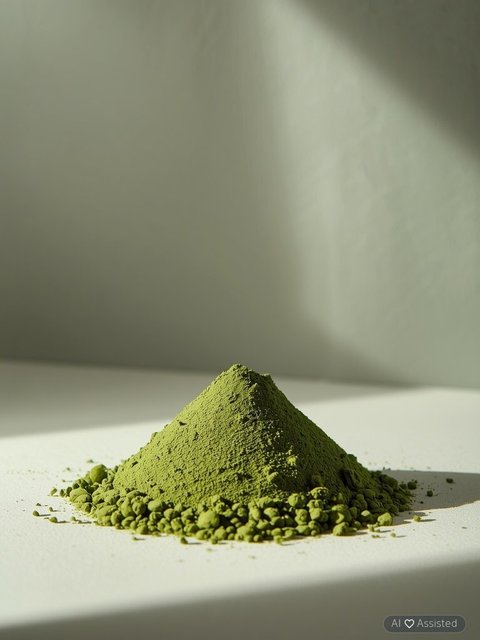
As the most ancient variety of tea globally, green tea has been gaining increasing recognition among European populations, a trend driven by the growing emphasis on balanced nutritional practices. The pale green infusions exhibit multifaceted benefits for human physiology—primarily enhancing gastrointestinal function by accelerating food metabolism and improving nutrient absorption efficiency. Additionally, these beverages exert protective effects on renal and urinary tract systems, alleviate both physical and mental fatigue, and may contribute to blood pressure modulation according to emerging research. Of particular scientific interest are the bioactive polyphenolic compounds (including flavonoids and catechins) abundant in the leaves, whose antioxidant properties have been extensively documented. Consistent consumption of this beverage correlates with reduced levels of low-density lipoprotein cholesterol and blood glucose, positioning it as a potential component in cardiovascular disease prevention strategies. Furthermore, accumulating evidence suggests neuroprotective capabilities of green tea—it may delay cognitive decline and reduce the incidence of cerebrovascular events. Beyond traditional loose-leaf preparations of unfermented *Camellia sinensis* leaves available in pharmacies and herbal specialty stores, the market offers standardized dietary supplements containing concentrated extracts of this plant.
**Noteworthy finding**: Pooled analyses of randomized controlled trials confirm that regular green tea consumption may facilitate weight management. This effect is attributed to the synergistic action of caffeine and epigallocatechin gallate (EGCG)—compounds that inhibit adipogenesis, enhance postprandial thermogenesis, and promote fatty acid oxidation within adipose tissue [reference: 6].
White tea: A distinctive treasure derived from young tea buds
Within the contemporary tea market, white tea has emerged as a distinguished variety owing to its unique production process, which relies solely on the delicate, hand-picked buds of the Camellia sinensis plant, harvested during the earliest stages of spring growth. What sets this type apart from other tea varieties is its exceptionally high concentration of theine—a natural stimulant that imparts remarkably potent refreshing and invigorating properties to the nervous system. Furthermore, scientific research confirms that white tea surpasses even green tea in its content of polyphenols and other antioxidant compounds, with levels nearly three times higher. Of particular note are study findings demonstrating that a mere one-minute infusion is sufficient to release active components exhibiting strong antimutagenic effects [1].
Black tea: comprehensive profile, properties, and the fermentation process
Black tea represents the sole variety subjected to complete fermentation, rendering it arguably the most ubiquitous beverage of its kind in everyday diets. While it has not been as extensively researched as green tea, there is compelling evidence to suggest that both types may share comparable properties—such as the impact of their caffeine content on body weight regulation. Notably, studies proposing that green tea possesses potential weight-loss benefits often overlook the fact that its caffeine concentration does not exceed that of black tea, implying that similar effects could plausibly extend to the latter as well.
**Noteworthy observation:** The duration of the fermentation process correlates directly with the darkness of the leaves and the intensity of the astringent flavor, which becomes more pronounced as fermentation time increases [1].
Oolong tea: The semi-oxidized elixir from China and Taiwan
Oolong tea, colloquially referred to as "black dragon tea" (Chinese: *wūlóng*), is traditionally cultivated in the mountainous regions of southern China—primarily in Fujian Province—as well as in northeastern Taiwan. Its distinctive biochemical composition features elevated levels of tannins (plant-based polyphenols) and catechins—flavonoids renowned for their potent antioxidant properties—while maintaining a moderate caffeine content, positioning it as an intermediary between stimulating black teas and gentle green teas. Emerging scientific evidence suggests that regular consumption of oolong may exert protective effects against oxidative stress-related pathologies, including age-associated neurodegenerative disorders (e.g., senile dementia) and vascular impairments affecting both cerebral and peripheral circulation. Furthermore, the polyphenols present in oolong leaves demonstrate the capacity to modulate immune responses, thereby enhancing the body’s defensive mechanisms. Of particular note is its potential role in weight management: rodent studies have revealed that administration of an isolated oolong polyphenol (3-O-galloyl epigallocatechin) significantly inhibited adipose tissue accumulation even under high-fat, high-sugar dietary conditions, implying an influence on lipid metabolism [6].
It is important to emphasize that the oxidation level of oolong leaves ranges from 10% to 70%, depending on the region and processing technique. Classic Chinese oolongs (e.g., *Tie Guan Yin* or *Da Hong Pao*) undergo only partial fermentation (~20%), preserving their light green leaf coloration and delicate floral aroma. In contrast, Taiwanese varieties such as *Dong Ding* or *Ali Shan* often achieve higher oxidation levels (up to 60%), resulting in darker leaves and a more robust, toasted flavor profile in the infusion [1]. Unlike black tea, oolong leaves remain unrolled, further distinguishing their sensory characteristics.
Ginger root: A versatile natural supplement for herbal tea infusions with broad-spectrum health benefits
Common ginger (*Zingiber officinale*), a botanical remedy with millennia of documented use across global traditional medicine systems, remains one of the most extensively studied natural therapeutics due to its multifaceted pharmacological profile. The primary medicinal component is its subterranean rhizome, which is harvested during two peak biological cycles—early spring, when volatile oil concentrations are at their zenith, or late autumn, when gingerol and shogaol content reaches optimal levels. Contemporary clinical research corroborates its broad-spectrum efficacy: ginger exerts potent anti-inflammatory effects by inhibiting pro-inflammatory cytokine production, provides analgesic relief through modulation of nociceptive pathways, and enhances immune resilience by promoting lymphocyte proliferation. Of particular clinical significance is its antiemetic property—mediated primarily by gingerol—which renders it a safe and effective adjunct for managing nausea during pregnancy, especially morning sickness. Furthermore, dietary incorporation of ginger accelerates gastrointestinal motility, mitigates the risk of constipation by preventing fecal stasis, and exerts gastroprotective effects by fortifying the mucosal barrier, thereby reducing ulcerogenesis risk.
Does herbal medicine deliver tangible health benefits?
Contemporary society is increasingly embracing natural approaches to health support, including the use of herbs, which can serve both as medicinal remedies and culinary ingredients. Why should they be incorporated into daily routines? Firstly, they exert a beneficial influence on metabolic processes, thereby enhancing the digestion of food. For instance, flaxseeds and plantain (commonly referred to as *Plantago ovata*) can suppress appetite by activating the brain’s satiety center. Their high content of mucilaginous substances causes them to expand in the digestive tract upon contact with water, promoting a prolonged sensation of fullness. Secondly, one cannot overlook Ceylon cinnamon—a spice with well-documented effects in weight management. It accelerates metabolic rate and helps curb cravings for sweets, thereby preventing excessive calorie intake. Thirdly, there is growing interest in *Ilex paraguariensis*, or yerba mate, whose infusions have been shown to lower blood cholesterol levels while exerting a protective effect on the liver. Additionally, this plant stimulates the central nervous system without inducing dependency, owing to its mateine content—a natural stimulant. Yerba mate is also a rich source of vitamins (A, C, E, B1, B2, carotene, biotin) and minerals (sodium, iron, potassium, silicon, sulfur), making it a valuable component of weight-loss diets. However, it is essential to recognize that maintaining a healthy weight fundamentally depends on the efficient functioning of the digestive and excretory systems. In this regard, herbs such as peppermint, lemon balm, basil, oregano, fennel, and cumin can be particularly beneficial, as they enhance the secretion of gastric juice and bile while alleviating digestive discomfort, including bloating. Herbal teas—can they contribute to a healthy diet? Unsweetened herbal infusions offer a low-calorie alternative to sugary beverages while providing bioactive compounds that support well-being. Nevertheless, herbal teas or blends alone are insufficient for combating overweight and obesity; their effects must be complemented by a balanced diet and regular physical activity, which form the cornerstone of a healthy lifestyle.