Vegetarianism and Veganism

David Janitzek
✓
Diets Premium Expert • 24.09.2026
✓
Scientifically reviewed by a clinical dietitian:
This article has been peer-reviewed for adherence to IŻŻ, WHO, and PTGiP clinical nutritional standards.
| Diets Premium Expert David Janitzek | min read 5 min | Scientifically reviewed by a clinical dietitian 24.09.2026 |

Smart Voice
•Listen to the article content live
0:00
/
0:00
Key Takeaways
Over the past few years, plant-based diets have become increasingly widespread. Many individuals choose to abstain from meat primarily due to ethical reasons. However, a vegetarian diet can offer a range of health benefits and have less detrimental effects on the natural environment. If you're considering reducing your meat intake but are unsure whether it's better to immediately cease consuming animal products, the following information will aid you in making your decision.
Meal Plan
Want to apply these guidelines in your daily diet?
Our smart diet generator creates a tailored meal plan in 3 minutes based on the recommendations in this article.
Understanding Vegetarianism: A Comprehensive Guide to Its Definitions, Variants, and Nutritional Foundations
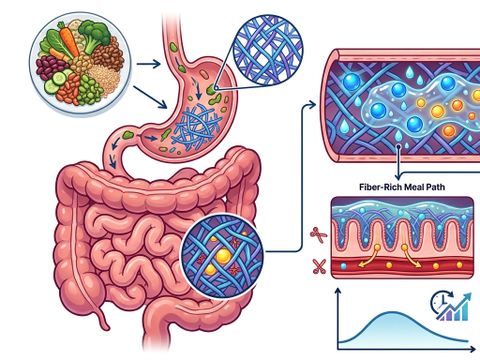
Vegetarianism constitutes a deliberate dietary pattern that systematically excludes the consumption of meat, fish, and seafood as its core tenet. Within this nutritional framework, multiple variants exist, some of which further eliminate additional animal-derived products—such as eggs, dairy, or their derivatives. The most stringent forms, including raw food vegetarianism (vitarianism), forgo thermal food processing entirely, whereas fructarianism restricts intake solely to fruits whose harvest does not destroy the parent plant. The most widespread and least restrictive iteration remains lacto-ovo vegetarianism, which permits the inclusion of dairy products. The dietary foundation comprises legumes, cereal grains, vegetables, and fruits, supplemented by nuts, seeds, and plant-based oils. Replacing animal protein with plant-based alternatives inherently increases dietary fiber intake. A well-structured vegetarian diet typically provides elevated levels of folic acid, vitamin C, and magnesium—provided it remains diverse and balanced. The most common nutritional risks involve deficiencies in iron, zinc, and calcium, particularly when meat elimination lacks compensation through nutrient-dense substitutes. Antinutrients such as phytic and oxalic acids in plants further impede the absorption of these micronutrients. Abstaining from fish and seafood may also result in insufficient omega-3 fatty acid (EPA and DHA) intake, as the human body cannot synthesize these compounds independently. While alpha-linolenic acid (ALA, found in flaxseeds, for example) can be partially converted into EPA and DHA, this metabolic pathway exhibits low efficiency. Although fatty marine fish represent the primary dietary source of EPA and DHA, their original—and vegan-compatible—source lies in edible marine algae.
Understanding veganism: A comprehensive exploration of plant-exclusive dietary principles and nutritional considerations
Veganism constitutes one of the most stringent forms of plant-based dietary patterns, systematically excluding not only meat but all animal-derived products—including dairy, eggs, honey, and their processed derivatives. Individuals adhering to this nutritional model must exercise heightened vigilance in securing adequate intake of critical nutrients such as complete proteins, iron, calcium, and vitamin B12, whose primary natural sources in conventional diets are precisely the eliminated food categories. While plant-based alternatives—particularly legumes (including soy and its derivatives like tofu and tempeh), nuts, and whole-grain cereals—can partially mitigate these deficiencies, they necessitate deliberate combining to achieve an optimal amino acid profile. Of particular concern is lysine—an exogenous amino acid whose deficiency may disrupt endogenous protein synthesis. Moreover, the exclusion of primary vitamin B12 sources places vegans at elevated risk of hyperhomocysteinemia, a condition associated with heightened inflammatory states and cardiovascular disease risk, thereby rendering supplementation with this vitamin an often indispensable component of a nutritionally complete vegan diet.
Plant-based diets with animal-derived products versus strictly plant-based nutrition – fundamental distinctions in dietary practice
The concept of vegetarianism represents a substantially broader nutritional framework than commonly perceived, encompassing a multitude of distinct dietary variations. Several of these dietary models permit the inclusion of specific animal-derived products, thereby enhancing menu diversity while improving the bioavailability of critical nutrients—particularly complete proteins and calcium compounds. From a practical standpoint, vegetarianism also proves less restrictive than veganism; the exclusion of dairy, eggs, or honey necessitates the adoption of alternative sources, which frequently involves reliance on specialized substitutes. This directly impacts meal preparation complexity, the final organoleptic qualities of dishes, and the accessibility of essential ingredients. Whereas staple food items such as chicken eggs remain ubiquitously available even in neighborhood convenience stores, products like fermented soy beverages, legume-based flours, or marine algae may present logistical challenges for many consumers.
A comparative analysis of vegetarian and vegan diets – fundamental nutritional similarities and shared characteristics
Both the vegetarian dietary pattern and its more restrictive counterpart—veganism—are distinguished by a substantial presence of nutrients with well-documented health-promoting properties. Among the most significant are dietary fiber, ascorbic acid (vitamin C), and folate, the increased intake of which is associated with a reduced risk of developing cardiovascular diseases, metabolic disorders such as type 2 diabetes, and excessive body weight. Plant-based foods, which form the cornerstone of both diets, are typically characterized by low energy density combined with high volume, thereby facilitating the attainment and maintenance of an optimal body weight. Some individuals may observe weight loss shortly after implementing dietary modifications. However, it is critical to emphasize that dietary change alone does not inherently ensure improved health outcomes—an improperly balanced meal plan, even one centered on plant-based products, can lead to severe vitamin deficiencies and micronutrient insufficiencies, posing a potential risk comparable to that of any other unbalanced dietary regimen.
Which dietary approach—plant-based or conventional—offers greater long-term health benefits?
A comparative analysis of the health implications associated with plant-based versus conventional diets: According to the Institute of Food and Nutrition, both vegetarian and vegan dietary patterns can serve as nutritionally complete models, provided they are meticulously balanced and—where necessary—supplemented with essential nutrients that may be deficient. Transitioning to an ovo-lacto-vegetarian diet tends to present fewer challenges for individuals new to dietary modifications, whereas adopting a vegan lifestyle demands a more comprehensive understanding of nutritional science and meal composition. It is critical to recognize that merely excluding animal-derived products does not inherently confer health benefits; the nutritional value of plant-based substitutes is paramount. Poorly structured vegetarian diets—particularly those reliant on refined carbohydrates, sugary dairy snacks, or monotonous meal patterns—can lead to deficiencies and adverse health outcomes. Prior to implementation, individuals should undergo clinical assessments (including complete blood counts, ferritin levels, vitamins B12 and D, and iodine status) and consult a registered dietitian to develop a tailored nutrition strategy that aligns with personal caloric requirements, taste preferences, and potential allergies. Particular attention must be given to omega-3 fatty acids (DHA/EPA); in the absence of fish consumption, algal-based supplements may be indispensable. Iodine intake also warrants consideration, especially if iodized salt is restricted. While a plant-based diet requires greater diligence in planning, it can yield substantial health benefits when founded on a diverse array of minimally processed, nutrient-dense foods.
Tags

mgr David Janitzek
✓Diets Premium Expert
Diets Premium team expert. Specializes in nutrition plans, strength sports, and training plans.
View Profile →