Pelvic floor musculature: anatomical structure, functional roles, and physiological mechanisms within the urogenital system
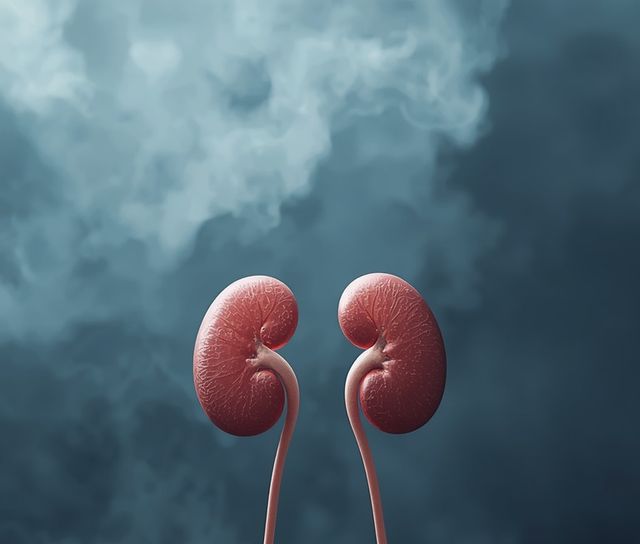
Urinary incontinence, one of the most prevalent disorders of the urinary and reproductive systems, is directly linked to dysfunction within the muscular structures commonly referred to as the **Kegel muscles** (pelvic floor musculature). This complex comprises eight key muscular units: the **coccygeus muscle**, the **levator ani muscle**, the **ischiocavernosus muscle**, the **bulbospongiosus muscle**, the **urethral sphincter**, the **external anal sphincter**, the **deep transverse perineal muscle**, and the **superficial transverse perineal muscle**. Collectively, they form a **supportive-stabilizing system**, whose primary function is to sustain the pelvic organs (including the bladder, uterus, and rectum) and precisely regulate their physiological operations. A defining characteristic of the Kegel muscles is the predominance of **oxidative (slow-twitch) muscle fibers**, which enable prolonged tension maintenance—critical for urinary continence control. These are supplemented by **glycolytic (fast-twitch) fibers**, capable of generating powerful, short-lived contractions, such as during sudden urinary urgency when immediate interruption of micturition is required.
Pelvic floor muscle dysfunction and urinary incontinence: an examination of causative factors and associated risks
Significant impairment of pelvic floor musculature—particularly the Kegel muscles—represents a primary etiologic factor underlying disruptions in normal urinary control. When these muscular structures lose functional integrity, their capacity to execute rapid, precise contractions and sustain prolonged tension becomes severely compromised. The resultant failure to maintain adequate urethral sphincter closure manifests clinically as involuntary urine leakage. However, Kegel muscle weakness constitutes only one among multiple potential causes of urinary incontinence. Unintended voiding may arise from a spectrum of distinct pathological conditions. Furthermore, a multitude of predisposing factors substantially elevates the likelihood of developing urinary storage and voiding dysfunctions. Key contributors include: pregnancy and childbirth, excessive physical exertion (including competitive sports such as cycling), menopause accompanied by estrogen deficiency, prostate gland disorders in males, urinary tract infections stemming from intimate infections, chronic constipation and defecation disorders, prolonged pharmacotherapy (e.g., diuretics for hypertension management, psychotropic medications), obesity and metabolic syndrome (including hypercholesterolemia), age-related declines in urinary system functionality, and excessive intake of bladder irritants such as alcohol, caffeine-containing beverages (coffee, tea), carbonated sugary drinks, and highly acidic citrus juices.
A Systematic Classification of Urinary Control Disorders: Distinct Variants and Their Characteristics
While urinary incontinence is commonly perceived in lay terms as simply the inability to voluntarily retain urine, the clinical landscape reveals a far more nuanced spectrum of conditions. Multiple distinct forms of this disorder exist, each varying not only in symptom severity but also in its impact on patients’ quality of life and the underlying pathophysiological mechanisms. A thorough comprehension of these distinctions is indispensable for accurate diagnosis and the formulation of tailored treatment approaches. The present overview delineates the most frequently encountered variants of incontinence, complete with their defining diagnostic characteristics.
Chronic bladder distension syndrome: Residual urine retention and its clinical implications
This condition is marked by pathological overdistension of the bladder walls, rendering complete voiding during urination impossible. As a consequence, a substantial volume of residual urine accumulates, progressively overwhelming the detrusor muscle and impairing the sphincter’s ability to close properly. Persistent urine retention predisposes to urinary tract infections and additionally triggers persistent, distressing pain during micturition—referred to clinically as painful bladder urgency. Medical literature also classifies this state as neurogenic atonic bladder or underactive bladder syndrome.
Reflex-mediated detrusor overactivity incontinence due to suprasacral spinal cord injury above the S2 level
This condition arises as a consequence of traumatic disruption to spinal cord structures situated above the second sacral segment (S2), which may occur due to high-impact events such as motor vehicle collisions, falls from significant heights, or other incidents resulting in neuronal pathway interruption governing bladder function. The injury triggers aberrant hyperactivity of the detrusor muscle, whose involuntary contractions cannot be consciously suppressed owing to the severed neural connections responsible for voluntary micturition control. Concurrently, the loss of inhibitory signaling renders behavioral interventions—including pelvic floor muscle strengthening exercises (e.g., Kegel maneuvers)—ineffective in modulating bladder activity. The clinical presentation aligns with neurogenic detrusor overactivity, marked by symptoms such as urinary frequency exceeding eight voids per day (polyuria), urgent compulsions to urinate (imperative urgency), and nocturia, defined as the need for repeated nocturnal micturition that significantly disrupts sleep architecture.
Stress urinary incontinence due to pelvic floor muscle dysfunction and elevated intra-abdominal pressure
The primary underlying mechanism of this condition involves dysfunction of the muscular components constituting the pelvic organ support system. The weakening of these myofascial structures compromises the effective sealing of the bladder neck, ultimately resulting in involuntary urine leakage. Additionally, there is a measurable reduction in the time intervals between successive voiding episodes—a phenomenon termed shortened voiding interval—which translates into increased urinary frequency. Consistent with the condition’s etiopathogenesis, spontaneous urine loss occurs due to sudden elevations in intra-abdominal pressure, which may be triggered by both vigorous physical exertion (e.g., resistance training) and routine daily activities, such as lifting heavy objects, repositioning furniture, or prolonged straining during defecation in individuals with chronic constipation. The role of chronic coughing is equally significant, as recurrent abdominal muscle contractions further burden the already compromised bladder sphincter mechanism.
Acute imperative urinary urgency with involuntary voiding
In this particular manifestation of urinary dysfunction, the anatomical components and functional mechanisms of the pelvic floor exhibit no structural or operational abnormalities. Nonetheless, the temporal intervals between successive voiding events are markedly abbreviated—typically remaining under a sixty-minute threshold. This condition is categorized into three primary subtypes:
– The **motor (movement-related) variant** predominantly arises from neurological impairments (such as those following a cerebrovascular accident) or systemic toxicity (e.g., due to pharmacological overdose);
– The **sensory (perception-related) variant** is most commonly attributed to urinary tract infections or other urological pathologies, including nephrolithiasis or pyelonephritis;
– The **mixed variant** encompasses a confluence of both motor and sensory dysfunctions, thereby representing a hybrid of the aforementioned classifications.
The physical, psychological, and social repercussions of urinary incontinence
Urinary incontinence represents a significant health challenge that substantially disrupts daily activities and overall quality of life. The involuntary leakage of urine, coupled with the necessity for frequent toilet visits, not only constitutes a source of physical discomfort but may also adversely impact social and professional functioning. This condition frequently leads to diminished self-esteem, chronic stress, and the development of diverse emotional disturbances. Furthermore, the issue extends into the realm of intimacy—unintentional urine loss during sexual intercourse can generate considerable difficulties for both the affected individual and their partner. Additionally, urine retention within the urinary tract predisposes individuals to recurrent urinary tract infections and inflammatory conditions of the bladder, further exacerbating the patient’s well-being and daily comfort.
Effective approaches for managing involuntary urinary leakage: from Kegel muscle exercises to urogynæcological rehabilitation
A critical preliminary consideration is the recognition that urinary incontinence arises from dysfunction within the myofascial structures of the pelvic floor. The primary intervention for mitigating this condition involves targeted strengthening of the pelvic floor musculature, commonly referred to as Kegel exercises. An optimal therapeutic regimen should integrate two complementary components:
1. **The acquisition of conscious activation techniques for the Kegel muscles**, which enhances voluntary control over the urethral sphincter mechanism and prolongs the intervals between voiding episodes;
2. **The incorporation of lumbopelvic stabilization exercises (core training)**, which serve as a foundational support system for maintaining appropriate pelvic floor muscle tension by improving overall trunk biomechanics.
It is essential to emphasize that urogynaecological rehabilitation—grounded in personalized therapeutic protocols—is widely regarded as the gold standard for both the prevention and management of urinary incontinence across diverse etiologies.
Could this genuinely be a urinary bladder infection – which supplements might prove effective in combating it?
In instances where urinary incontinence is diagnosed, there is frequently a concurrent development of infections affecting both the bladder and the urinary tract. The primary underlying issue typically stems from weakened pelvic floor muscles—commonly referred to as Kegel muscles—which impede complete bladder emptying and thereby facilitate the retention of residual urine. Associated infectious symptoms commonly include acute pain and a burning sensation during micturition, alterations in urine coloration and odor, suprapubic discomfort, nausea, and elevated body temperature. The pharmacological management of bladder infections involves the use of medications specifically targeting the causative microorganisms. For bacterial infections, antibiotic therapy is indispensable, whereas fungal infections necessitate the administration of antifungal agents. Regardless of the microbial origin, however, implementing dietary modifications is of paramount importance. Of particular significance is the reduction of simple carbohydrate intake, as these serve as an optimal energy source for pathogenic microorganisms. Additionally, maintaining adequate hydration is critical for facilitating the body’s detoxification processes. Further support for urinary system function may be derived from incorporating herbs and botanicals with documented diuretic and anti-inflammatory properties into one’s daily dietary regimen. Which specific supplements warrant consideration?
Arctostaphylos uva-ursi: A phytotherapeutic agent for urinary tract support
Arctostaphylos uva-ursi holds a prominent position in herbal medicine owing to its arbutin content—a glycosidic precursor to hydroquinone, a metabolite demonstrating marked antimicrobial efficacy. Additionally, hydroquinone exhibits the capacity to scavenge free radicals, thereby presenting a dual mechanism of action: both antibacterial and antioxidant. This dual functionality underscores its utility in the prevention and adjunctive treatment of urinary tract infections
The medicinal golden monk – *Taraxacum officinale* in contemporary herbal medicine
Extracts derived from *Taraxacum officinale*—commonly referred to as "a medical monk" or dandelion—demonstrate well-documented diuretic activity, facilitating the efficient clearance of toxic metabolic byproducts from the body. Within the root system of this plant, substantial concentrations of phenolic compounds—including caffeic acid—alongside tannins have been identified, exhibiting antioxidant potential capable of neutralizing reactive oxygen species. Meanwhile, the floral components serve as a rich reservoir of ascorbic acid (vitamin C), provitamin A in the form of carotenoids, and a complex array of volatile essential oils. These bioactive constituents act synergistically to preserve cellular membrane integrity against oxidative damage while concurrently modulating the organism’s immune response.
Common Stinging Nettle and Its Indian Variant: Properties and Applications in Herbal Medicine
Extracts derived from common stinging nettle and its Indian counterpart have long been valued for their beneficial effects on hair, skin, and nail health, attributable to their nutrient-rich and restorative properties. The plant is also recognized for its diuretic action, which facilitates the elimination of toxins from the urinary system and supports the maintenance of its proper function. Furthermore, both scientific research and traditional practices highlight the presence of bioactive compounds in nettle that exhibit documented antimicrobial activity, free-radical scavenging capabilities, and anti-inflammatory effects. These advantageous properties stem from a high concentration of polyphenols (including flavonoids), organic acids, tannins, phytosterols, and a vitamin complex comprising vitamin C, K, and B vitamins, which work synergistically to support the body on multiple levels.
Common horsetail (Equisetum arvense) – a versatile supplement for health and beauty
Common horsetail, frequently referred to as "nature’s silicon source," is widely incorporated into cosmetic formulations and nutritional supplements designed to enhance skin vitality, hair strength, and nail resilience. However, its therapeutic potential extends far beyond cosmetic applications. This botanical species also plays a pivotal role in sustaining urinary tract health, a benefit attributed to its rich composition of essential micronutrients—including elevated potassium levels, bioavailable silica, active vitamin C compounds, and a spectrum of phytosterols with regulatory properties. These bioactive constituents collectively inhibit the undesirable crystallization of mineral deposits within the urinary pathways, thereby diminishing the likelihood of renal stone formation. Furthermore, consistent supplementation with horsetail-based preparations promotes the restoration and maintenance of the delicate mucosal linings within the bladder while augmenting the body’s innate detoxification processes. This is achieved through the optimization of metabolic function and the systematic removal of accumulated metabolic byproducts that may otherwise compromise systemic well-being.
American bog cranberry: properties and therapeutic applications
Both dried and fresh fruits of the American cranberry, along with its various processed forms, are widely endorsed by healthcare professionals for supporting urinary tract function. Beyond its well-documented diuretic properties, this berry contains a multitude of bioactive compounds that fortify the body’s immune defenses and counteract the damaging effects of reactive oxygen species—commonly referred to as free radicals. Additionally, its chemical composition is abundant in anthocyanins, flavonoids, organic acids (including citric acid), ascorbic acid, and a spectrum of B-complex vitamins, positioning it as a valuable component of a balanced nutritional regimen.