2 min read

Unlocking Your Child’s Taste Preferences: Encouraging Vegetable Consumption with Science and Creativity

Lena Bauer
Lena Bauer ✓
Diets Premium Expert • 23.10.2026
✓
Scientifically reviewed by a clinical dietitian: This article has been peer-reviewed for adherence to IŻŻ, WHO, and PTGiP clinical nutritional standards.
Diets Premium Expert Lena Bauer min read 2 min Scientifically reviewed by a clinical dietitian 23.10.2026
Unlocking Your Child’s Taste Preferences: Encouraging Vegetable Consumption with Science and Creativity

Smart Voice

•

Listen to the article content live

0:00 / 0:00
Key Takeaways

Establishing healthy eating habits in childhood is one of the most critical responsibilities for parents and caregivers. Vegetables are a powerhouse of essential nutrients, including vitamins, minerals, antioxidants, and dietary fiber, which are foundational for physical growth and cognitive development. This comprehensive guide explores the sensory and psychological factors influencing children’s food preferences, decodes the developmental phenomenon of food neophobia, and provides evidence-based strategies to make vegetable consumption enjoyable and sustainable. By combining behavioral insights with creative culinary techniques, parents can foster a lifelong appreciation for nutritious foods.

Meal Plan

Want to apply these guidelines in your daily diet?

Our smart diet generator creates a tailored meal plan in 3 minutes based on the recommendations in this article.

The Development of Taste Perception and Childhood Food Neophobia: Understanding the 'Why' Behind the 'No'

Children’s taste perception is fundamentally different from that of adults. Infants are biologically wired to prefer sweet flavors—a protective evolutionary mechanism that ensures they consume the nutrient-dense maternal milk—while instinctively avoiding bitter or sour tastes, which historically signaled potential toxicity. Between 18 and 24 months, toddlers often enter a phase of food neophobia, exhibiting wariness toward unfamiliar foods. This is not defiance but a natural developmental milestone. Understanding this phenomenon allows parents to approach mealtime with patience and creativity, fostering an environment where children gradually explore and accept new foods without pressure. The key lies in transforming mealtime into a positive, curiosity-driven experience rather than a battleground.

The Multisensory Experience of Food: How Texture, Color, and Temperature Shape Childhood Eating Habits

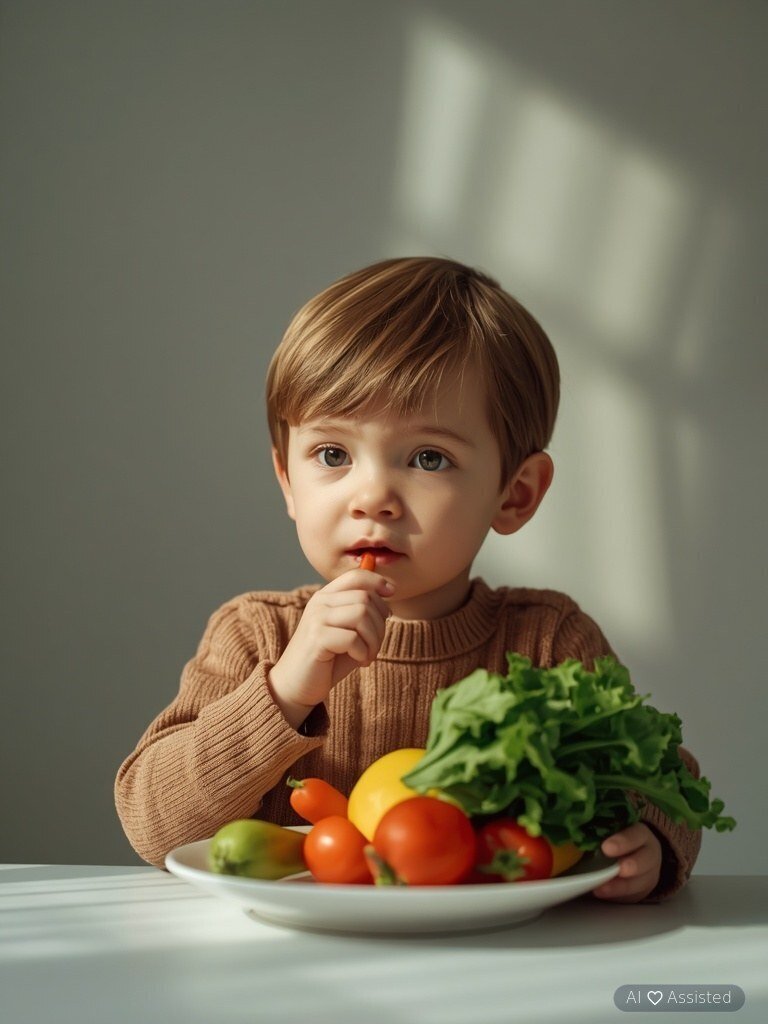
Children engage with food through a multisensory lens where texture, color, and temperature often outweigh taste itself. Overcooked, mushy, or discolored vegetables frequently trigger immediate rejection, whereas crisp, vibrantly colored vegetable sticks—such as carrot, bell pepper, or lightly blanched cauliflower florets—paired with mild dips, spark curiosity and tactile exploration. The Baby-Led Weaning (BLW) approach leverages this sensory appeal by allowing toddlers to independently grasp and mouth these texturally stimulating pieces. Serving temperature is equally critical: children’s oral mucosa is sensitive to extreme heat, so they strongly prefer lukewarm or cool dishes. By aligning meal presentation with these sensory preferences, parents can transform mealtime into an engaging, enjoyable experience.

Clever Culinary Techniques: Disguising Vegetables Without Compromising Nutrition

When a child outright rejects certain vegetables, it doesn’t mean they have to miss out on essential nutrients—it simply requires clever culinary adaptation. Silky vegetable soups, such as creamy butternut squash or carrot-ginger blends, topped with whole-grain croutons or toasted seeds, can transform even the most reluctant eaters. Similarly, finely blended zucchini, celery, or parsnips can be seamlessly incorporated into homemade pasta sauces, meatballs, or savory pancakes without altering the flavor profile. Vegetables can also be blended into vibrant fruit-vegetable smoothies, where the natural sweetness of apples or bananas masks any bitterness. This approach turns dietary challenges into opportunities for creative, nutritious meals.

The Psychology of Mealtime: Engaging Children Without Coercion

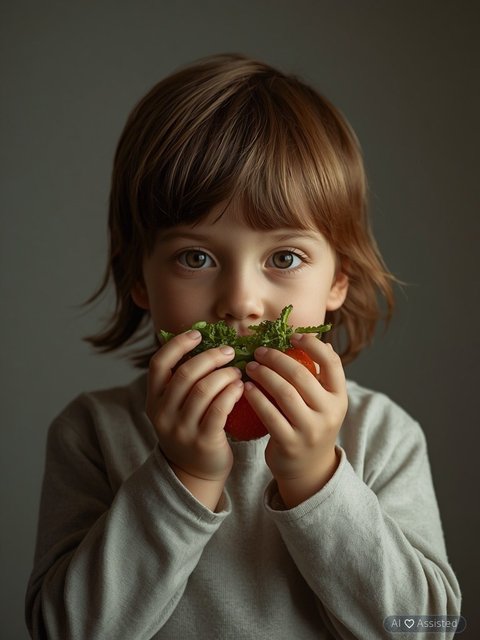
Involving children in the food preparation process fundamentally shifts their attitude toward new foods. When toddlers wash vegetables, tear lettuce leaves, or assist in chopping, they develop a sense of ownership and pride in their contributions, which encourages them to taste what they’ve helped create. Visual presentation is equally transformative: colorful bento-style plates, playful vegetable shapes cut with cookie cutters, or vibrantly arranged vegetable art turn mealtime into a creative, engaging activity. By framing food exploration as a fun, hands-on experience, parents can foster curiosity and willingness to try new dishes without pressure.

Building Lifelong Healthy Habits: The Role of Parental Role Modeling and Mindful Eating

No amount of persuasion can replace the power of parental role modeling. When children observe parents enjoying colorful salads and roasted vegetables with genuine enthusiasm, healthy eating becomes the household norm. Practicing the Division of Responsibility (as outlined by Ellyn Satter) is foundational: parents determine WHAT, WHEN, and WHERE meals are served, while the child decides WHETHER and HOW MUCH to consume. Avoiding coercion, respecting satiety cues, and providing repeated, low-pressure exposures to new foods are key. Research indicates that it often takes 10 to 15 tastings before a child accepts a new flavor. By combining respect, patience, and culinary creativity, parents can cultivate a positive, lifelong relationship with food.

Lena Bauer

Lena Bauer

✓

Diets Premium Expert

Diets Premium team expert. Specializes in nutrition plans, strength sports, and training plans.

View Profile →
Recommended articles in this category

Related Articles

Discover similar publications and expert insights.

Carrots: a comprehensive guide to cultivar diversity, nutritional composition, and health-promoting attributes
Vegetables
Carrots: a comprehensive guide to cultivar diversity, nutritional composition, and health-promoting attributes
⏱ 5 min czytania 📚 Vegetables
#Nutritional Requirements #Nutritional Composition
Xylitol: Comprehensive Benefit-Risk Assessment and Source Comparison (Birch vs. Corn)
Antimicrobial Properties
Xylitol: Comprehensive Benefit-Risk Assessment and Source Comparison (Birch vs. Corn)
⏱ 5 min czytania
#Antimicrobial Properties #Metabolic Disorders
Kalettes – Origin, Characteristics, and Application of the New Vegetable Kind
Health
Kalettes – Origin, Characteristics, and Application of the New Vegetable Kind
⏱ 3 min czytania 📚 Health
#Nutritional Properties #Vegetable
Health benefits of Kalarepa... Health benefits of Kalarepa during pregnancy, for infants, recipes... How to consume Kalarepa?
Health
Health benefits of Kalarepa... Health benefits of Kalarepa during pregnancy, for infants, recipes... How to consume Kalarepa?
⏱ 4 min czytania 📚 Health
#Antioxidants #Health Benefits
Artichoke recipes: The best recipes for artichokes
Health
Artichoke recipes: The best recipes for artichokes
⏱ 3 min czytania 📚 Health
#Vegetable #Vegetables
The Importance of Fruit and Vegetable Colors in Dietary Planning: Phytonutrient Power and the Rainbow Diet
Fruits
The Importance of Fruit and Vegetable Colors in Dietary Planning: Phytonutrient Power and the Rainbow Diet
⏱ 4 min czytania 📚 Fruits
#Diet Planning #Nutritional Planning
Cabbage (vegetable)
Health
Cabbage (vegetable)
⏱ 3 min czytania 📚 Health
#Vegetable #Vitamin C
Manufacture and attributes of dried vegetables and fruits - examination of benefits and drawbacks
Food Science
Manufacture and attributes of dried vegetables and fruits - examination of benefits and drawbacks
⏱ 6 min czytania 📚 Food Science
#Vegetable #Fruit
Vegetables cooked by steaming - pots for steaming... Which vegetables should be cooked by steaming?
Vegetables
Vegetables cooked by steaming - pots for steaming... Which vegetables should be cooked by steaming?
⏱ 5 min czytania 📚 Vegetables
#Simmered #Vegetable
Brussels Sprouts – a Cabbage-Family Vegetable with the Highest Vitamin C Content
Brussels Sprouts
Brussels Sprouts – a Cabbage-Family Vegetable with the Highest Vitamin C Content
⏱ 2 min czytania
#Brussels Sprouts #Vegetable
Kohlrabi – A Versatile Superfood, Best Enjoyed Fresh: Health Benefits, Vitamin C, and Culinary Uses
Vegetables
Kohlrabi – A Versatile Superfood, Best Enjoyed Fresh: Health Benefits, Vitamin C, and Culinary Uses
⏱ 1 min czytania
#Vegetables #Vegetable
Can Harmful Pesticides Be Removed from Fruits and Vegetables?
Organic Farming
Can Harmful Pesticides Be Removed from Fruits and Vegetables?
⏱ 2 min czytania
#Organic Farming #Vegetable
Beetroots. Vegetables with numerous features and high vitamin concentration
Polish Cuisine
Beetroots. Vegetables with numerous features and high vitamin concentration
⏱ 3 min czytania
#Polish Cuisine #Vegetable
Vegetable preserves – manufacturing process, advantages and disadvantages
Vegetables
Vegetable preserves – manufacturing process, advantages and disadvantages
⏱ 4 min czytania 📚 Vegetables
#Vegetable #Sauce
How to Encourage Your Child to Eat Vegetables: Evidence-Based Strategies for Picky Eaters
Vegetables
How to Encourage Your Child to Eat Vegetables: Evidence-Based Strategies for Picky Eaters
⏱ 3 min czytania
#Vegetables #Vegetable
Optimal Additions to Fruit and Vegetable Smoothies – Maximizing Nutritional Value and Nutrient Density
Dietary Recommendations
Optimal Additions to Fruit and Vegetable Smoothies – Maximizing Nutritional Value and Nutrient Density
⏱ 4 min czytania
#Dietary Recommendations #Plant-Based Foods
Optimal thermal processing techniques for vegetables to preserve nutritional value
Nutritional Value
Optimal thermal processing techniques for vegetables to preserve nutritional value
⏱ 3 min czytania
#Nutritional Value #Antioxidant
Pattypan Squash (Patison) – Health Benefits, Nutritional Profile, and Culinary Applications
Food & Ingredients
Pattypan Squash (Patison) – Health Benefits, Nutritional Profile, and Culinary Applications
⏱ 3 min czytania 📚 Food & Ingredients
#Nutritional Composition #Nutritional Ingredients
Patulin – Mycotoxic Contamination in Fruit and Vegetable Produce and Health Risks
Food & Ingredients
Patulin – Mycotoxic Contamination in Fruit and Vegetable Produce and Health Risks
⏱ 3 min czytania 📚 Food & Ingredients
#Vegetables #Vegetable
Spring’s early harvests demystified: A thorough guide to cultivating, fertilizing, preserving, and the principles of safe consumption for the season’s first vegetable offerings
Vegetables
Spring’s early harvests demystified: A thorough guide to cultivating, fertilizing, preserving, and the principles of safe consumption for the season’s first vegetable offerings
⏱ 5 min czytania
#Vegetables #Vegetable
Tomato: Nutritional profile, role in pregnancy, gout management, and healthy recipes
Pregnancy & Motherhood
Tomato: Nutritional profile, role in pregnancy, gout management, and healthy recipes
⏱ 6 min czytania 📚 Pregnancy & Motherhood
#Vegetable Cultivation #Nutritional Values
Pumpkin
Nutrition
Pumpkin
⏱ 2 min czytania 📚 Nutrition
#Carotenoids #Vitamin C
Vegetables We Eat Too Little Of
Health Benefits
Vegetables We Eat Too Little Of
⏱ 8 min czytania
#Health Benefits #Vegetables
Cardamom – Properties and Uses of the Aromatic Stimulant
Meat
Cardamom – Properties and Uses of the Aromatic Stimulant
⏱ 2 min czytania
#Meat #Red Meat Nutrition
Vegetable with Pronounced Flavor
Vegetable Dishes
Vegetable with Pronounced Flavor
⏱ 3 min czytania
#Vegetable Dishes #Vegetables
Sweet Potatoes: Characteristics, Nutrients and Glycemic Index
Sweet Potatoes
Sweet Potatoes: Characteristics, Nutrients and Glycemic Index
⏱ 3 min czytania
#Sweet Potatoes #Sweet
Bromelain – Effects and Potential Side Effects
Raw
Bromelain – Effects and Potential Side Effects
⏱ 3 min czytania
#Raw #Pineapple
Excessive Fiber Intake Can Be Dangerous! Side Effects, Guidelines, and Safety Rules
Fiber
Excessive Fiber Intake Can Be Dangerous! Side Effects, Guidelines, and Safety Rules
⏱ 1 min czytania
#Fiber #Vegetables
Bioavailability of Mineral Constituents in Food Products
Mineral
Bioavailability of Mineral Constituents in Food Products
⏱ 4 min czytania
#Mineral #Macronutrients
Bioflavonoids – Their Effect on the Organism and Sources
Orange
Bioflavonoids – Their Effect on the Organism and Sources
⏱ 4 min czytania
#Orange #Red Wine

Share