PRO
CLINICAL KNOWLEDGE MAGAZINE
8 min read
The Stress Hormone - Cortisol

Kacper Nowak
✓
Diets Premium Medical Expert • 21.03.2026
✓
Scientifically reviewed by a clinical dietitian:
This article has been peer-reviewed for adherence to IŻŻ, WHO, and PTGiP clinical nutritional standards.
| CLINICAL KNOWLEDGE MAGAZINE CLINICAL KNOWLEDGE MAGAZINE | min read 8 min |
| Diets Premium Medical Expert Kacper Nowak | Scientifically reviewed by a clinical dietitian 21.03.2026 |

Smart Voice
•Listen to the article content live
0:00
/
0:00
Key Takeaways
We often read about factors affecting muscle growth, about the proper diet leading to an increase in muscle mass, but we overlook certain elements that can hinder the entire process. In this article, we will discuss one of these elements, namely, the stress hormone cortisol. Most bodybuilders fear it like fire and consider it the main adversary in the context of muscle anabolism.
Meal Plan
Want to apply these guidelines in your daily diet?
Our smart diet generator creates a tailored meal plan in 3 minutes based on the recommendations in this article.
PRO Content
PRO
This article is professional premium content (PRO) provided in its entirety.
The role of cortisol in the body
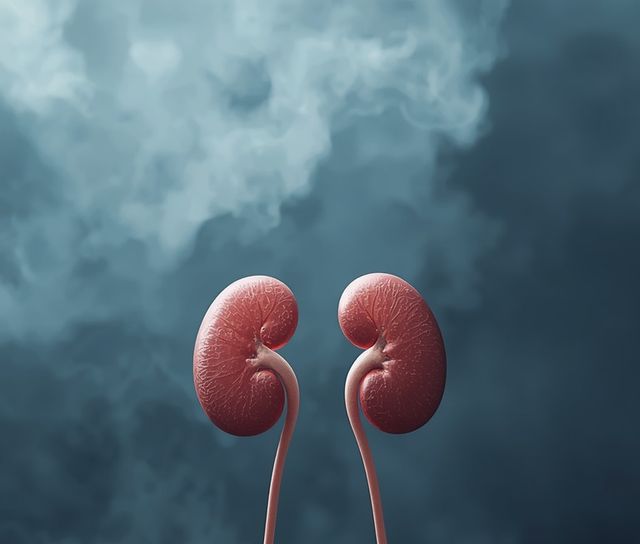
Cortisol is a glucocorticoid hormone that is released by the adrenal cortex in response to physical or emotional stress (fatigue). The primary function of cortisol in stressful situations is to calm the body, which it achieves by forcing the body to suppress the immune response and end the destructive reaction to the problem. Cortisol acts in various ways, including increasing the breakdown of proteins, carbohydrates, and fats, affecting the function of the liver and blood vessels, and decreasing protein synthesis. During periods when the body is secreting cortisol in response to stress, the levels of glucose and amino acids decrease, leading to the breakdown of muscle fibers in order to provide the body with an alternative source of energy. Cortisol enters liver cells and connects with special proteins that are responsible for feedback, i.e. the body's reaction to cortisol and the external factors that have caused its secretion.
Cortisol and the breakdown of muscle tissue
Why does cortisol affect muscle breakdown? The question is very interesting, and without delving into chemical details, this process can be described as follows. When cortisol levels rise in the muscles, a catabolism mechanism is activated in the tissues, i.e. muscle cells are broken down into the simplest components (amino acids and glucose) that can be absorbed by the body. Stress increases blood pressure, which accelerates the blood flow to a large amount of free glucose during breakdown. All these processes lead to an adrenergic shock, i.e. a sudden and short-lived energy surge, while the body at this time is subjected to enormous stress. However, it is not as bad as it sounds. It is worth realizing that although cortisol affects the breakdown of muscle cells, for the body of an exercising person, both an excess and a constant deficiency of cortisol in the blood is harmful.
Tracking your cortisol levels during workouts
In a 12-week experiment conducted by Australian researchers, the impacts of anabolic cortisol secretion in relation to consuming carbohydrate drinks during exercise were studied. Participants in the experiment performed regular and intensive weight training. One group was given carbohydrate drinks during each exercise and the other group was given placebo. Carbohydrate drinks inhibited the post-exercise increase in cortisol levels, which was recorded in participants who took placebo. As a result, after 12 weeks, participants in the group who received carbohydrate drinks showed significant progress in muscle development. The hypertrophy of type I muscle fibers was 50 times greater in them compared to participants in the second group. The type II muscle fibers increased in participants of the first group, while they decreased in participants of the second group.
The influence of ascorbic acid on cortisol levels
Researchers have long believed that ascorbic acid (vitamin C) can regulate the fluctuations in cortisol levels caused by strength training. There are several hypotheses. In a 1998 experiment, scientists administered 1 g of ascorbic acid to athletes engaged in strength training. The experiment demonstrated that ascorbic acid can lessen the fluctuations in cortisol levels that occur within 24 hours following the completion of exercise. How does ascorbic acid bring about this effect?
The effect of phosphatidylserine
Phosphatidylserine is one of the phospholipid components and is present in small quantities in food. It is a naturally occurring component of cell membranes, including muscle cells and brain cells. In the early 1990s, Italian scientists conducted two experiments in which they confirmed a significant effect of phosphatidylserine on cortisol production. These studies showed that phosphatidylserine has properties that reduce the rise in cortisol levels caused by physical activity.
Kacper Nowak
Diets Premium Medical Expert
Member of the Diets Premium clinical editorial board. Specializes in medical diet therapy, metabolic health, and nutritional planning.
View Profile →