PRO
CLINICAL KNOWLEDGE MAGAZINE
7 min read
Simple Solution for Constipation Problems

Kacper Nowak
✓
Diets Premium Medical Expert • 25.09.2026
Smart Voice
Listen to the article content live
✓
Scientifically reviewed by a clinical dietitian:
This article has been peer-reviewed for adherence to IŻŻ, WHO, and PTGiP clinical nutritional standards.
| CLINICAL KNOWLEDGE MAGAZINE CLINICAL KNOWLEDGE MAGAZINE | min read 7 min |
| Diets Premium Medical Expert Kacper Nowak | Scientifically reviewed by a clinical dietitian 25.09.2026 |

Key Takeaways
In accordance with the assessment of the American Gastroenterological Association, constipation can impact up to 16 percent of adults, and it can affect as many as one-third of individuals over the age of 60, as well as children. It's significant to be cognizant of the methods to cope with this issue independently, as well as the indications that necessitate a consultation with a healthcare professional.
Meal Plan
Want to apply these guidelines in your daily diet?
Our smart diet generator creates a tailored meal plan in 3 minutes based on the recommendations in this article.
PRO Content
PRO
This article is professional premium content (PRO) provided in its entirety.
Constipation: Comprehensive Definition, Etiological Foundations, and Diagnostic Framework per Contemporary Guidelines
In excess of 90% of individuals experiencing constipation are diagnosed with the idiopathic variant, signifying that no identifiable organic cause underlies the condition. Among the disorders that may present with this type of constipation are irritable bowel syndrome (IBS) and functional constipation. According to the prevailing diagnostic framework for functional gastrointestinal disorders—specifically, the Rome IV Criteria—functional constipation is recognized when at least two of the following symptoms persist for a minimum of three months:
1. Excessive straining during bowel movements, observed in over 25% of defecations.
2. Passage of lumpy or hard stools in more than one-quarter of bowel movements.
3. Persistent sensation of incomplete evacuation following defecation, occurring in over 25% of instances.
4. Perceived obstruction or blockage within the colon or rectum during more than 25% of defecations.
5. Manual maneuvers to facilitate defecation (e.g., digital evacuation or perineal pressure), required in over one-quarter of cases.
6. Infrequent spontaneous bowel movements, defined as fewer than three per week.
Functional constipation may coexist with either normal or delayed colonic transit. Under physiological conditions, stool transit through the colon typically ranges from 20 to 72 hours; however, in cases of impaired motility (such as reduced peristalsis), this duration can extend up to five days. Additional contributing factors may include dyssynergic defecation, characterized by improper coordination of the anal sphincter’s contraction and relaxation. It is noteworthy that episodic constipation represents a common and benign occurrence, often attributable to lifestyle changes (e.g., frequent travel), inadequate dietary fiber intake, physical inactivity, or hormonal fluctuations—particularly during pregnancy.
Secondary constipation: alarming symptoms that necessitate medical evaluation
In addition to the commonly encountered functional constipation—which is not attributable to underlying organic disease—there exists a distinct category of secondary constipation, which, though far less prevalent, may carry more serious implications. This form arises as a direct consequence of systemic illnesses, metabolic or hormonal dysregulations, or as an adverse reaction to pharmacological treatment. Among the most frequently identified causes are malignant neoplasms located in the colon, ovaries, or uterus; chronic inflammatory bowel diseases; diabetes mellitus; hypothyroidism; end-stage renal disease; neurodegenerative disorders such as Parkinson’s disease and multiple sclerosis; and psychiatric conditions including depression, anorexia nervosa, and bulimia nervosa. Furthermore, constipation may manifest as a side effect of specific medication classes, particularly antidepressants, antipsychotics, opioid analgesics, nonsteroidal anti-inflammatory drugs, and antihypertensive agents. Should constipation be accompanied by additional concerning symptoms—such as hematochezia (blood in stool), persistent fever, severe abdominal pain, unexplained weight loss, chronic fatigue, or signs of anemia—immediate consultation with a primary care physician is strongly advised. The same precaution applies if there is suspicion that bowel dysfunction is linked to the use of a particular drug. In such cases, reviewing the medication’s package insert is prudent; if constipation is listed as a potential adverse effect, discussing a therapeutic adjustment with a healthcare provider may be warranted.
Comprehensive guide to managing constipation: evidence-based strategies
The management of secondary constipation primarily focuses on addressing the underlying etiology or adjusting pharmacological regimens. For functional constipation, lifestyle modifications represent the cornerstone of intervention. In the absence of red-flag symptoms—such as gastrointestinal bleeding or unexplained weight loss—self-directed therapeutic measures may be initiated. Defecation disorders frequently arise from suboptimal dietary patterns and sedentary behavior. A thorough evaluation of current eating habits for alignment with nutritional guidelines is therefore essential, alongside the implementation of consistent physical activity, which enhances intestinal motility.
Dietary Fiber – An Essential Component of a Healthy Diet
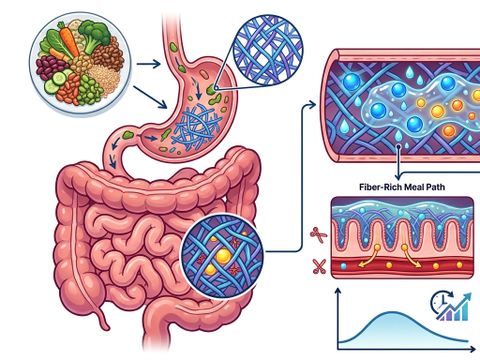
Meeting the recommended daily intake of 25–30 grams of dietary fiber is straightforward when adhering to the principles of a balanced diet. Primary sources of fiber include whole-grain products such as cereals (particularly buckwheat and barley), bran, oatmeal and other cereal flakes, whole-grain bread, fresh fruits, vegetables, legumes (lentils, peas, beans, chickpeas), as well as nuts and almonds. By following a few straightforward guidelines, this nutritional goal can be easily achieved:
1. Consistently opt for whole-grain alternatives, such as whole-wheat bread, whole-grain pasta, or brown rice.
2. Incorporate grains into meals at least three to four times per week, with an emphasis on buckwheat, barley (pearl barley), and brown rice.
3. Consume a minimum of three servings of vegetables and one serving of fruit daily.
4. Include nuts, almonds, or seeds in the diet several times per week.
5. Integrate legumes—such as lentils, peas, beans, or chickpeas—into meals at least twice a week.
Below is an illustrative daily meal plan that provides approximately 27 grams of fiber:
– Two slices of whole-grain rye bread (70 g),
– One medium tomato (170 g),
– A handful of almonds (30 g),
– A serving of buckwheat (50 g),
– Raw carrot salad (100 g),
– One medium apple (180 g).
To prevent potential side effects such as gas, bloating, or discomfort, it is advisable to distribute fiber-rich foods across multiple meals throughout the day. Additionally, the amount of fiber can be gradually increased—for instance, by replacing refined products with their whole-grain counterparts in stages (e.g., one slice of white bread and one slice of whole-grain bread, half white pasta and half whole-grain pasta).
It is also critical to maintain adequate hydration when consuming 25–30 grams of fiber or more, as fiber absorbs water, thereby supporting its optimal function within the digestive tract.
Water as an indispensable component for optimal digestive system function in the context of dietary fiber intake
Dietary fiber, being an indigestible component within the gastrointestinal tract, is categorized into two primary types: insoluble and water-soluble. The soluble variant exhibits the capacity to absorb water from the intestinal lumen, thereby augmenting the bulk and softness of fecal matter, which in turn facilitates its transit through the intestines. It is important to note that fiber binds substantial quantities of water, resulting in increased fluid loss via defecation. Consequently, maintaining adequate hydration is imperative—health authorities recommend a minimum daily intake of two liters of fluids for women and at least two and a half liters for men to offset these losses and sustain optimal stool consistency.
Risks and judicious use of over-the-counter stimulant laxatives
Pharmacies offer certain over-the-counter medications designed to stimulate intestinal muscle contractions—such as bisacodyl and senna-based preparations—which are accessible without a prescription. According to specialists affiliated with The Canadian Society of Intestinal Research, prolonged use of these stimulant laxatives carries potential risks, including impaired colonic function and the development of physiological dependence, wherein normal bowel motility fails to resume following discontinuation of the drug. Nevertheless, as emphasized by D. M. Brenner in an article published in the esteemed journal *Gastroenterology*, the purported adverse effects associated with these medications have not been definitively corroborated by clinical research to date. It is strongly advised that such agents be reserved for occasional, exceptional circumstances rather than adopted as a routine solution for constipation. Chronic administration of stimulant laxatives without medical supervision is discouraged; instead, the management of constipation—including the selection of an appropriate pharmacological agent, the specific active ingredient, and the duration of treatment—should be determined by a licensed healthcare practitioner.
Functional constipation in pediatric and adolescent populations: Evidence-based guidelines and contemporary research insights
Based on the 2014 position statement issued by the European Society for Paediatric Gastroenterology, Hepatology and Nutrition (ESPGHAN), the management of functional constipation in children and adolescents should prioritize adherence to age- and sex-specific dietary fiber intake recommendations. Current evidence does not support the routine use of supplemental fiber, as its efficacy in improving bowel motility or alleviating constipation-related symptoms remains unproven in clinical trials. Similarly, hydration levels should align with physiological requirements for the respective age group—systematic reviews indicate that increased water consumption fails to produce measurable improvements in stool frequency or associated symptomatic relief. Compelling data emerge from a cross-sectional survey involving 386 Brazilian adolescents aged 14–19, wherein female participants exhibited a statistically significant association between low-fiber dietary patterns and the prevalence of constipation episodes. Furthermore, the mean body mass index (BMI) among girls reporting defecation difficulties was substantially elevated compared to their asymptomatic peers. These findings collectively imply that maintaining a healthy body weight and ensuring adequate fiber intake may represent critical modifiable factors in the prevention of functional constipation within this demographic.
Age-specific hydration requirements for children: evidence-based guidelines from nutritional experts
This information is derived from the most recent dietary recommendations for the Polish population as outlined in "Food and Nutrition Standards for the Population of Poland and Their Application," edited by Professor Mirosław Jarosz and a team of specialists, published in 2020 by the National Institute of Public Health – National Institute of Hygiene in Warsaw. The content incorporates the current position of the Polish Society of Gastroenterology, Hepatology, and Children’s Nutrition regarding optimal hydration during pediatric developmental stages.
The role of probiotics in chronic constipation management: current evidence and clinical recommendations
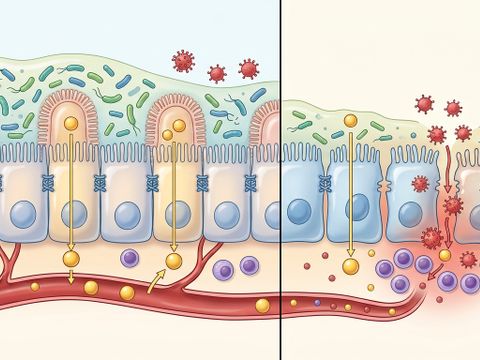
Current scientific evidence does not definitively confirm the efficacy of any specific probiotic strain in the treatment of constipation. However, as researchers such as E. Dimidi and colleagues have reported, there is evidence of alterations in gut microbiota composition among individuals with chronic bowel motility disorders. Studies have documented a reduction in populations of beneficial bacteria—particularly *Bifidobacterium* and *Lactobacillus*—which play a critical role in maintaining healthy intestinal flora. Bacterial metabolites, particularly short-chain fatty acids, may influence gut motility by activating mucosal enteric receptors. Select studies, including those conducted by Y. X. Yang et al., have demonstrated a beneficial effect of the *B. lactis* DN-173010 strain on bowel function, with participants exhibiting improvements in stool consistency and increased defecation frequency. Nevertheless, due to the heterogeneity of findings and the absence of conclusive evidence, no specific strain can currently be identified as therapeutically effective. In most cases, primary recommendations include dietary modifications (increased fiber intake), adequate hydration, and regular physical activity. The decision to initiate pharmacological treatment should be made by a primary care physician, while cases resistant to standard interventions warrant referral to a gastroenterologist for comprehensive diagnostic evaluation.
Tags
Kacper Nowak
Diets Premium Medical Expert
Member of the Diets Premium clinical editorial board. Specializes in medical diet therapy, metabolic health, and nutritional planning.
View Profile →