CLINICAL KNOWLEDGE MAGAZINE
3 min read
Post-Cesarean Nutrition

Katarzyna Mazur
✓
Diets Premium Medical Expert • 24.09.2026
✓
Scientifically reviewed by a clinical dietitian:
This article has been peer-reviewed for adherence to IŻŻ, WHO, and PTGiP clinical nutritional standards.
| CLINICAL KNOWLEDGE MAGAZINE CLINICAL KNOWLEDGE MAGAZINE | min read 3 min |
| Diets Premium Medical Expert Katarzyna Mazur | Scientifically reviewed by a clinical dietitian 24.09.2026 |

Smart Voice
•Listen to the article content live
0:00
/
0:00
Key Takeaways
A cesarean section is a surgical procedure that necessitates proper post-operative care. A well-structured post-cesarean diet is crucial for recovery and ensuring optimal health for both mother and child. It facilitates the delivery of essential nutrients to the body and helps prevent potential complications that may arise following the surgery. What foods are recommended during this period?
Meal Plan
Want to apply these guidelines in your daily diet?
Our smart diet generator creates a tailored meal plan in 3 minutes based on the recommendations in this article.
Why is post-cesarean nutrition so important?
A proper post-cesarean diet is essential to provide the body with all the nutrients required for post-operative recovery. Deficiencies may result from blood loss during surgery. The dietary goals include supplementing essential nutrients, accelerating wound healing, preventing conditions such as anemia and dehydration, and supporting tissue regeneration. Furthermore, nutrients pass into breast milk and affect the baby, making a well-balanced diet crucial for the health and well-being of both mother and child.
What foods should be consumed after a cesarean section?
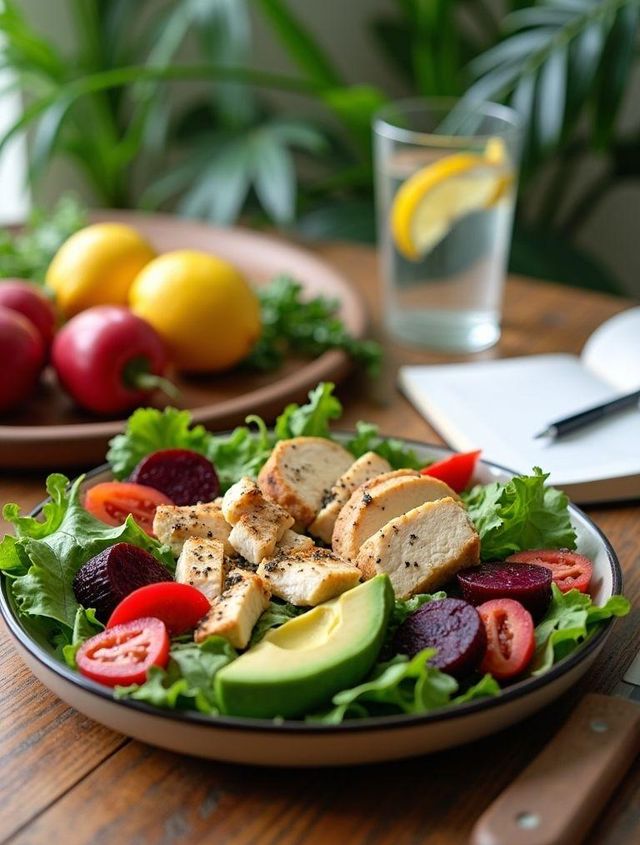
During the initial days post-surgery, intravenous fluids and nutrients are commonly administered. Afterward, the diet transitions to easily digestible, wholesome foods. Recommended items include lean meats, fish, eggs, dairy products such as yogurt and cottage cheese, green leafy vegetables, and plenty of still, non-carbonated water to maintain proper hydration without causing gas.
Which nutrients are especially important for body recovery?
Because pregnancy depletes maternal nutrient stores, the postpartum body requires targeted replenishment. Key micronutrients include iron to combat post-surgical anemia, calcium and high-quality protein for tissue repair, and vitamins C and B-complex to support immune function and accelerate collagen synthesis and wound healing.
What foods should be avoided after a cesarean section?
Certain foods should be restricted post-cesarean as they can cause digestive distress, bloating, and hinder nutrient absorption. The menu should exclude highly processed foods, fast food, fried or greasy dishes, gas-producing vegetables like cabbage, heavy sweets, excessive caffeine, and alcohol, especially while breastfeeding.
What else should be considered regarding food preparation and habits?
To maximize recovery, opt for gentle cooking methods such as boiling, steaming, stewing, or baking without added fats. Strict weight-loss diets should be avoided during this period, as the body requires adequate calories and nutrients for lactation and healing. Consuming at least 1.5 to 2 liters of water daily is vital to prevent dehydration and support bowel regularity.
Katarzyna Mazur
Diets Premium Medical Expert
Member of the Diets Premium clinical editorial board. Specializes in medical diet therapy, metabolic health, and nutritional planning.
View Profile →