Maltitol – Properties, Caloric Value, Glycemic Index, and Safety of the Polyol Sweetener

| Diets Premium Expert Alicja Kowalska | min read 2 min | Scientifically reviewed by a clinical dietitian 23.10.2026 |
Smart Voice
•Listen to the article content live
Want to apply these guidelines in your daily diet?
Our smart diet generator creates a tailored meal plan in 3 minutes based on the recommendations in this article.
What is Maltitol and How is it Synthesized?
Maltitol (designated in the European Union as food additive E965) is a sugar alcohol (polyol) structurally classified as a hydrogenated disaccharide (4-O-alpha-D-glucopyranosyl-D-glucitol):
- Industrial synthesis – maltitol is not an artificial synthetic compound; it is industrially manufactured via catalytic high-pressure hydrogenation of pure maltose derived from corn, wheat, or tapioca starch hydrolysis.
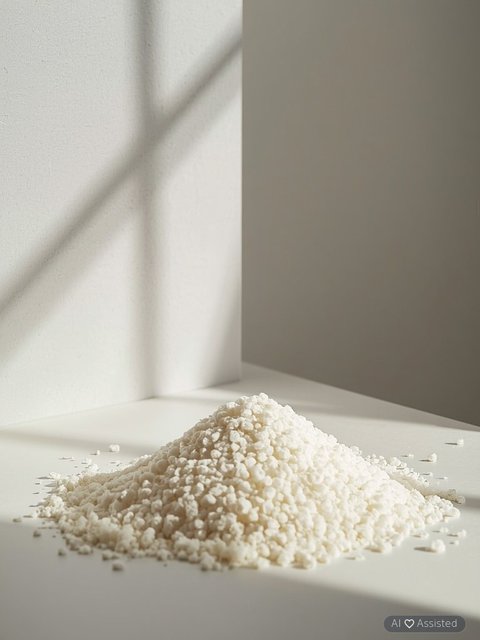
- Commercial formats – distributed either as crystalline white maltitol powder (E965i, purity exceeding 98%) or concentrated maltitol liquid syrup (E965ii), which contains a blend of hydrogenated maltooligosaccharides.
- Physical properties – exhibits superior water solubility, thermal stability up to baking temperatures, and does not undergo Maillard browning reactions.
Sensory Profile, Caloric Density, and Glycemic Response
Maltitol distinguishes itself within the sugar replacer category via distinct functional performance:
- Natural sucrose-like sweetness – unlike intense sweeteners (stevia, sucralose, saccharin), maltitol exhibits no lingering metallic or cooling off-flavors, delivering ~85–90% the sweetness of sucrose alongside requisite textural bulk.
- Caloric density reduction – officially regulated in European law at 2.4 kcal/g (10 kJ/g) compared to 4.0 kcal/g for sucrose, affording a 40% caloric saving in product formulations.
- Glycemic and insulinemic response – crystalline maltitol boasts a Glycemic Index (GI) of roughly 35, whereas liquid maltitol syrups range from 50 to 55. While lower than table sugar (GI 65), maltitol provokes significantly greater glycemic excursions than erythritol (GI 0) or xylitol (GI 12).
- Non-cariogenic oral health – cariogenic dental biofilm microbes (notably Streptococcus mutans) cannot ferment maltitol into enamel-demineralizing acids, preserving dental health.
Gastrointestinal Tolerance and Osmotic Laxative Thresholds
The decisive clinical constraint of maltitol relates to its gastrointestinal kinetics:
- Incomplete small intestinal absorption – brush border alpha-glucosidases hydrolyze maltitol slowly and partially. Only 40–50% is absorbed as glucose and sorbitol; the unabsorbed 50–60% fraction passes into the colon.
- Osmotic draw and microbial gas production – intact luminal polyol molecules draw water osmotically into the colonic lumen while gut microbiota rapidly ferment them, generating excessive hydrogen, methane, and carbon dioxide gases.
- Clinical adverse symptoms – manifests as borborygmi, abdominal cramping, flatulence, and osmotic diarrhea. Maltitol represents a prominent high-FODMAP carbohydrate.
- Threshold of laxation – single doses below 20–25 g or cumulative daily intakes under 40–50 g are typically tolerated by healthy adults. EU regulations mandate the consumer label warning: 'excessive consumption may produce laxative effects' for items exceeding 10% polyol content.
Application in Sugar-Free Products and Comparative Polyol Analysis
Maltitol remains irreplaceable in confectionery manufacturing, notably in sugar-free chocolate:
- Sugar-free chocolate manufacturing – maltitol mimics sucrose conching thermodynamics flawlessly, delivering smooth melt, audible snap, and zero cooling sensation (unlike erythritol and xylitol).
- Protein bars and bakery items – preserves moisture, tenderness, and bulk in athletic performance bars and low-carb keto baked goods.
- Comparison with erythritol – erythritol supplies zero calories (0 kcal/g), possesses zero glycemic impact (GI 0), and is 90% excreted unchanged in urine, avoiding colonic distress, but induces a noticeable cooling sensation.
- Guidance for diabetic patients – individuals managing diabetes must account for maltitol in meal carbohydrate counting, as its partial glucose absorption definitely elicits postprandial glycemic rises.

Alicja Kowalska
✓Diets Premium Expert
Diets Premium team expert. Specializes in nutrition plans, strength sports, and training plans.
View Profile →