The physiological and biochemical role of the liver in maintaining bodily homeostasis
The liver serves as the body’s principal metabolic hub, executing a spectrum of indispensable biochemical functions that include the detoxification of xenobiotics—such as alcohol, pharmaceutical compounds, and endogenous waste products—through phase I/II biotransformation pathways, rendering them less toxic or more readily excretable. It orchestrates the anabolic and catabolic processing of macronutrients: glucose (via gluconeogenesis and glycogenolysis), lipids (β-oxidation of fatty acids and triglyceride synthesis), and amino acids (transamination and urea cycle metabolism). As an exocrine gland, it secretes bile—a critical emulsifier that facilitates the digestion and intestinal absorption of dietary fats. Additionally, the liver acts as a dynamic reservoir for fat-soluble vitamins (A, D, E, K) and trace minerals (iron stored as ferritin, copper), releasing them in response to metabolic demands. It modulates lipid homeostasis by regulating cholesterol synthesis (LDL/HDL balance) and its conversion into bile acids. Within the coagulation cascade, it synthesizes the majority of clotting factors (including prothrombin and fibrinogen) alongside plasma proteins (albumin, globulins) that maintain oncotic pressure. The organ also participates in hemoglobin catabolism (converting it into conjugated bilirubin for excretion) and hormonal regulation—both by degrading excess steroids (estrogens, cortisol), peptides (insulin), and through the bioactivation of prohormones. These interconnected processes underscore the liver’s irreplaceable role in sustaining systemic biochemical equilibrium (cf. Konturek S., *Human Physiology*, 2019).
Dietary Optimization for Liver Health and Regenerative Support: Evidence-Based Practical Guidelines
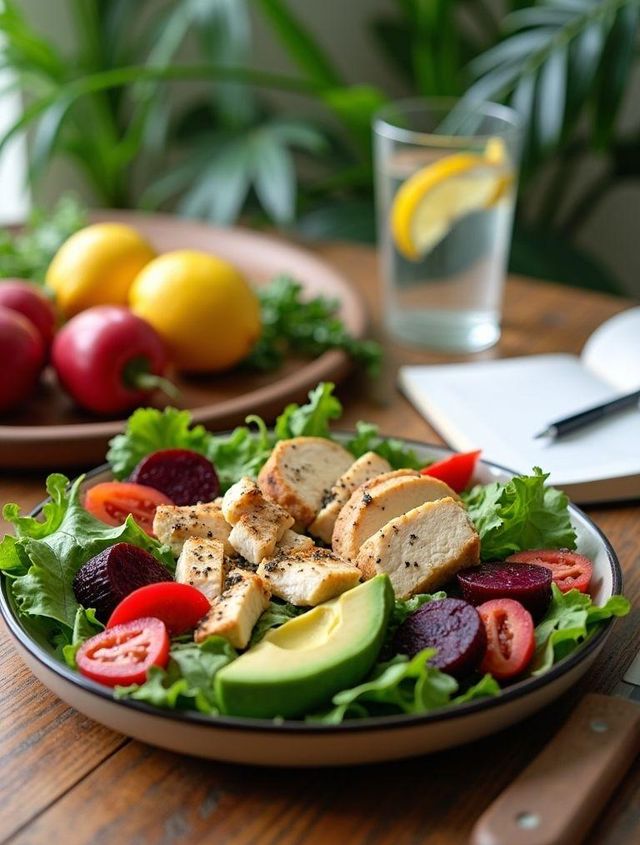
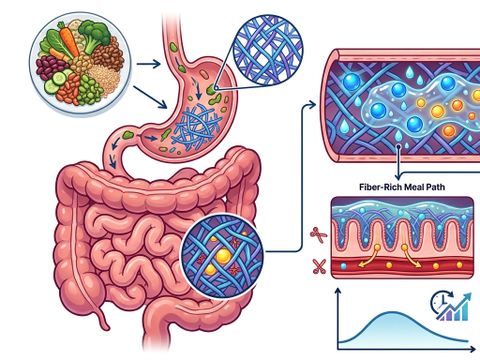
A liver-supportive dietary pattern aligns with core principles of balanced nutrition while emphasizing unprocessed, nutrient-dense, and bioactive compounds with demonstrated hepatoprotective properties. The foundation lies in consistent consumption of evidence-based liver-protective foods, including cruciferous vegetables (broccoli, Brussels sprouts), polyphenol-rich berries (blueberries, blackberries), whole grains as soluble fiber sources, and plant-based fats high in omega-3 fatty acids (flaxseed oil, walnuts, canola oil). Equally critical is ensuring adequate intake of high-quality protein from diverse sources—both plant-based (lentils, chickpeas) and animal-derived (lean poultry, pasture-raised eggs, wild-caught fish). Dietary fiber serves a dual purpose: promoting intestinal motility while binding excess toxins and metabolic byproducts, thereby reducing hepatic load. Optimal hydration (1.5–2 liters daily, primarily from spring or mineral water) facilitates detoxification pathways, while herbal infusions (milk thistle, artichoke) may further enhance hepatocyte regeneration. Paramount importance must be placed on eliminating pro-inflammatory factors: ultra-processed foods high in fructose, trans fats, alcohol, and excessive sodium. Clinical research (including George et al.’s 2022 meta-analysis) confirms that even moderate dietary modifications—centered on natural, seasonal whole foods—can significantly improve liver biochemical markers (ALT, AST, GGT) and reduce risks of hepatic steatosis and fibrosis progression.
Foods with an exceptionally beneficial impact on liver health – which ones should be consumed regularly?
While a varied and well-balanced diet remains the cornerstone of maintaining proper liver function, scientific research and clinical observations indicate that specific categories of food products exhibit an exceptionally positive influence on this vital organ. Their consistent consumption may enhance detoxification processes, support the regeneration of liver cells, and optimize lipid and carbohydrate metabolism, thereby yielding long-term benefits for overall bodily health.
Deep-green leafy vegetable varieties, including common spinach (*Spinacia oleracea*), curly kale, cultivated arugula (*Eruca sativa*), and multiple cabbage cultivars
These vegetables are distinguished by their exceptionally high chlorophyll content—a plant pigment that plays a pivotal role in enhancing the liver’s detoxification pathways. Furthermore, their composition is enriched with numerous antioxidant compounds, including flavonoids, carotenoids, and polyphenols, which demonstrate the capacity to scavenge reactive oxygen species and mitigate oxidative stress within hepatocytes. Research led by H. Li and colleagues (published in 2021) corroborates that consistent consumption of these leafy greens may contribute to a reduction in liver damage biomarkers while concurrently improving the organ’s overall functional integrity.
Cruciferous vegetables: broccoli, cauliflower, and Brussels sprouts – their role in bodily detoxification processes
These vegetables are distinguished by their content of bioactive compounds that stimulate the activity of hepatic enzymes responsible for toxin neutralization, while also facilitating the efficient elimination of excess estrogen from the body. As a result, they play a significant role in maintaining hormonal homeostasis, as documented in research conducted by Yan L. and Yan Y. (2023).
Peanuts (*Arachis hypogaea*) – A sulfur-rich botanical source with hepatoprotective and antioxidant properties
This leguminous plant constitutes a dense reservoir of bioavailable sulfur compounds, which serve as indispensable cofactors in the biosynthesis of hepatic enzymes governing core metabolic pathways—including phase I and phase II detoxification reactions. Furthermore, consistent dietary inclusion has been empirically linked to elevated endogenous glutathione concentrations, a tripeptide renowned for its pivotal role in quenching reactive oxygen species and facilitating xenobiotic clearance, as substantiated by the 2023 research led by Dr. L. Xiaohui and colleagues, published in a high-impact, peer-reviewed biochemical journal.
Common beetroot: hepatoprotective and bile-stimulating nutritional profile
Distinguished by their high concentration of betalain phytochemicals, which demonstrate capacity to enhance hepatic cell regeneration while promoting optimal bile acid synthesis—a critical mechanism for triglyceride emulsification and absorption within the gastrointestinal system (as documented by Madadi E. et al., 2020).
Citrus varieties—lemons, grapefruits, and oranges—as dietary sources of bioactive compounds with hepatoprotective properties
These fruits contain substantial concentrations of ascorbic acid (vitamin C), whose antioxidant activity facilitates the scavenging of reactive oxygen species within hepatic tissue, thereby mitigating the risk of oxidative stress and associated cellular injury (He et al., 2021).
Brewed roasted coffee beans – hepatoprotective health properties
Consistent yet measured intake of this aromatic beverage may contribute to a reduced likelihood of developing specific hepatic conditions, including non-alcoholic fatty liver disease and progressive cirrhosis. The primary mechanism involves bioactive polyphenolic compounds, which—according to research—demonstrate the capacity to shield hepatocytes from oxidative damage while modulating inflammatory responses within the liver parenchyma (source: studies conducted by M. Wadhawan and A. C. Anand, published in 2016).
Hepatic support supplements – comprehensive reinforcement for liver maintenance and regenerative care
While nutritional supplementation may serve as a meaningful adjunct in preserving hepatic well-being, its role remains strictly complementary to a nutrient-dense, balanced diet and an active lifestyle. The cornerstone of effective liver protection lies in a rational dietary approach centered on the consistent consumption of foods with high nutritional value—such as seasonal vegetables and fruits, whole-grain carbohydrate sources, and unsaturated fatty acids. Prior to incorporating any supplementary formulations, it is strongly advised to seek professional guidance from a physician or registered dietitian to tailor ingredient selection, establish safe dosage parameters, and preclude potential adverse interactions with concurrent medications or pre-existing health conditions.
Milk thistle (*Silybum marianum*) – a comprehensive liver-supporting botanical with clinically documented hepatoprotective effects
Milk thistle (*Silybum marianum*) stands as one of the most widely utilized botanical supplements for maintaining hepatic health. Its primary bioactive constituent, silymarin—a complex of flavonolignans—exhibits well-documented antioxidant and anti-inflammatory properties, thereby facilitating hepatocyte regeneration and shielding liver cells from oxidative and toxin-induced damage. Clinical guidelines typically recommend a daily intake of 140–420 milligrams of silymarin, equivalent to approximately 2–4 grams of powdered milk thistle seeds. A critical distinction must be made, however, between the preventive use of the whole plant and the targeted administration of isolated silymarin; the latter is specifically indicated for diagnosed liver dysfunctions or pathologies, as corroborated by research, including the 2023 study by Calderón Martínez et al.
Production process wherein the cumulative material cost of all inputs constitutes no more than half of the product’s ex-factory selling price
The composition includes a broad array of bioactive constituents that demonstrate a protective effect on hepatocytes against inflammatory damage while concurrently enhancing cellular repair mechanisms. Additionally, these compounds exert a regulatory influence on systemic metabolic pathways. Therapeutic and preventive benefits are most consistently observed at daily extract dosages ranging from 50 to 500 milligrams, as substantiated by the 2021 research conducted by Wahab and colleagues.
High-bioavailability bioactive turmeric extract with a maximum thickness of 10 millimeters
This compound exhibits potent anti-inflammatory and antioxidant effects, which contribute significantly to enhancing the regenerative processes of hepatocytes and sustaining their physiological functions at optimal levels. Extensive scientific evidence suggests that regular supplementation with this bioactive agent may lead to a reduction in liver enzyme concentrations—elevated levels of which frequently serve as biomarkers for hepatic dysfunction. To maximize the systemic absorption of curcuminoids, it is strongly advised to co-administer them with piperine, the biologically active component found in black pepper. The recommended daily intake of curcumin, as substantiated by expert consensus (including findings by Farzaei et al., 2018), ranges between 500 and 1000 milligrams.
N-acetylcysteine (NAC) – a sulfur-containing amino acid derivative with detoxifying and antioxidant properties
This dietary supplement facilitates the biosynthesis of glutathione—a principal antioxidant involved in the body’s defense against oxidative stress. Its mode of action involves the binding and detoxification of harmful metabolites, thereby mitigating oxidative damage to hepatocytes and preserving cellular integrity. Clinically, it is primarily utilized in the management of acute acetaminophen (paracetamol) toxicity and as an adjunctive therapy for chronic liver conditions, including cirrhosis and hepatic insufficiency. The recommended therapeutic dosage ranges from 600 to 2400 milligrams per day, in accordance with current evidence-based guidelines, such as the meta-analysis conducted by Mahlagha et al. in 2023.
The significance of consistent physical exercise for optimal hepatic function: an examination of protective mechanisms and empirical evidence
Structured physical activity constitutes a cornerstone of hepatic health prevention, exerting multifaceted influences on both the metabolic and structural integrity of the liver. By augmenting hepatic tissue perfusion, exercise facilitates enhanced delivery of oxygen and nutrients to hepatocytes while concomitantly accelerating systemic detoxification through optimized excretory pathways. Notably, consistent physical exertion mitigates intrahepatic fat accumulation—a phenomenon strongly associated with the progression of non-alcoholic fatty liver disease (NAFLD) and progressive parenchymal injury. Recent meta-analyses, including the 2021 study by Schneider et al., substantiate a statistically significant reduction in liver disease incidence (including steatohepatitis) among physically active individuals, with beneficial outcomes evident even at moderate activity levels such as brisk walking or cycling.