Is it advantageous to undergo a body cleansing process?

Lena Bauer
✓
Diets Premium Expert • 25.03.2026
✓
Scientifically reviewed by a clinical dietitian:
This article has been peer-reviewed for adherence to IŻŻ, WHO, and PTGiP clinical nutritional standards.
| Diets Premium Expert Lena Bauer | min read 8 min | Scientifically reviewed by a clinical dietitian 25.03.2026 |

Smart Voice
•Listen to the article content live
0:00
/
0:00
Key Takeaways
During the spring season, numerous individuals opt for a body cleansing process, also known as detoxification. The internet offers multiple methods that promise a quick and effective detoxification of the body. However, is such a process beneficial? Who is it suitable for and which cleansing method should be selected? How does the body cleansing process take place?
Meal Plan
Want to apply these guidelines in your daily diet?
Our smart diet generator creates a tailored meal plan in 3 minutes based on the recommendations in this article.
PRO Content
PRO
This article is professional premium content (PRO) provided in its entirety.
Elimination of toxins from the body – what this matter is truly about
The elimination of toxins from the body, also known as detoxification, involves the removal of harmful substances from the body that poison it. These substances are commonly present in human life, not only in food, but also in cosmetics, cleaning products, and air. Humans have been exposed to them since birth, but the body has its own defense mechanisms that counteract the accumulation of toxins. Regular, daily detoxification is made possible thanks to the liver, kidneys, and lungs, and toxins are expelled from the body along with feces, urine, and exhaled air. The liver is the most important organ responsible for detoxification, as it has the ability to convert certain harmful substances into harmless compounds. Up to 99% of toxins are eliminated thanks to the liver and intestines, so it is important to support their proper functioning. If the liver and intestines work properly, the body's self-cleansing occurs every day. Body cleansing was known and practiced in ancient times. Many effective methods that are still used include saunas, fasting, dry brushing, the use of herbs, sleep, meditation, and physical activity. Fasting is also an important part of many religions, associated with penance. Christians fast during Lent, and Muslims during Ramadan.
Dangerous substances - what are those?
Harmful substances can be found not only in food but also in our environment. They include alcohol, narcotics, toxins that are present in food and that are produced during food processing. Examples include mycotoxins, which are secondary metabolites of fungi. Mycotoxins are found in plant products such as grain, maize, nuts, rice, spices, tea, etc. Their presence in food depends on many factors such as agriculture, raw material processing technology and the way they are processed. In Poland, the biggest problem with mycotoxin contamination is found in imported nuts and maize from tropical and subtropical countries. Mycotoxins have a negative impact on human health as many of them exhibit carcinogenic, mutagenic, teratogenic, and estrogenic properties. They disrupt the function of the nervous and immune systems. They are heat-resistant and can be found in foods subjected to thermal processing such as frying and baking. In this way, the neurotoxic substance acrylamide is formed, which has carcinogenic properties and can be found in products such as chips, bread, cookies, fries, and coffee. Harmful substances are not only found in food. Nowadays, the high level of environmental pollution is an increasingly serious health problem. With increasing industrialization, the pollution of soils, water, and air by toxic substances has increased. People are constantly exposed to the intake of toxins along with inhaled air, which is particularly noticeable in large cities. Regular exposure to heavy metals and persistent organic pollutants leads to their accumulation in the body. All this affects the risk of developing diseases such as obesity, cancer, diabetes, cardiovascular diseases, and chronic respiratory diseases. In addition, large amounts of toxins can be found in pharmaceuticals, cosmetics, and everyday items. Special attention should be paid to xenobiotics, which can disrupt fertility, the functioning of the nervous system, and the hormonal and immune systems.
Which individuals require body cleansing?
A healthy body possesses natural and regular possibilities for eliminating harmful substances, however, in today's times, a marked increase in the number of toxic substances to which it is exposed has been observed. This can lead to a significant overloading of the body's detoxification mechanisms, negatively impacting their detox functions. Some toxins can bioaccumulate in the human body, posing a potential health hazard. The winter season is characterized by the least amount of fruits and vegetables in the diet. Additionally, low temperatures promote the consumption of fatty foods. All this leads to an increase in body fat, in which harmful substances can accumulate. Traditional Chinese medicine suggests that spring is the best time for body cleansing, when the body recovers together with nature after a long winter. It is also a time of increased risk of infections, so it is advisable to support the body through a thorough review of dietary habits, a balanced diet rich in fruits and vegetables, and an appropriate amount of daily physical activity. Self-cleansing of the body through dietary changes can lead to numerous mineral and vitamin deficiencies as well as health disorders such as general weakness, fatigue, pain, and dizziness. Therefore, it is best to carry out the detoxification process under the guidance of a specialist.
Methods of purging the body of toxins
Detoxification remains highly popular on the internet and in the media, as confirmed by the high number of Google searches for phrases such as: home detoxification (292,000 searches) or effective detoxification (201,000 searches). There are currently many diets and methods of detoxification, which can be divided into two main categories: short and intense detoxification, which lasts for several days and primarily involves consuming fruit and vegetable juices and herbal teas, leading to quick weight loss but offering no documented health benefits, and a mild and long-lasting detoxification, which is based on an unprocessed diet with the use of herbs and vitamin and mineral supplements, providing first positive effects after about a week.
Detoxifying the body unwanted consequences
A multi-day detox program leads to rapid weight loss, which is highly sought after by overweight and obese individuals. However, detox diets can also have many negative side effects. Multi-day, very strict diets may lead to energy and nutrient deficiencies. Malnutrition can manifest as a deterioration of overall health, weight gain, weight and muscle strength loss, reduced mobility, decreased body resistance, anemia, water-electrolyte balance disorders, digestive disorders, decreased renal filtration, and delayed wound healing. The individual energy requirement is highly variable and depends on age, sex, and body weight. For example, an average woman aged 18-30, weighing 70 kg, needs about 1500 kcal, and a man of the same age and weight - 1700 kcal. Most popular detox diets provide less than 1000 kcal per day. During fasting, the body stores fat tissue to increase the chances of survival. A very low-calorie diet often leads to a yo-yo effect (J. Obert et al. 2017). Furthermore, frequent drastic and rapid weight loss makes it difficult to undertake further attempts to reduce weight and can lead to hormonal disorders (N.I. Williams et al. 2015).
Diet supporting body purification process
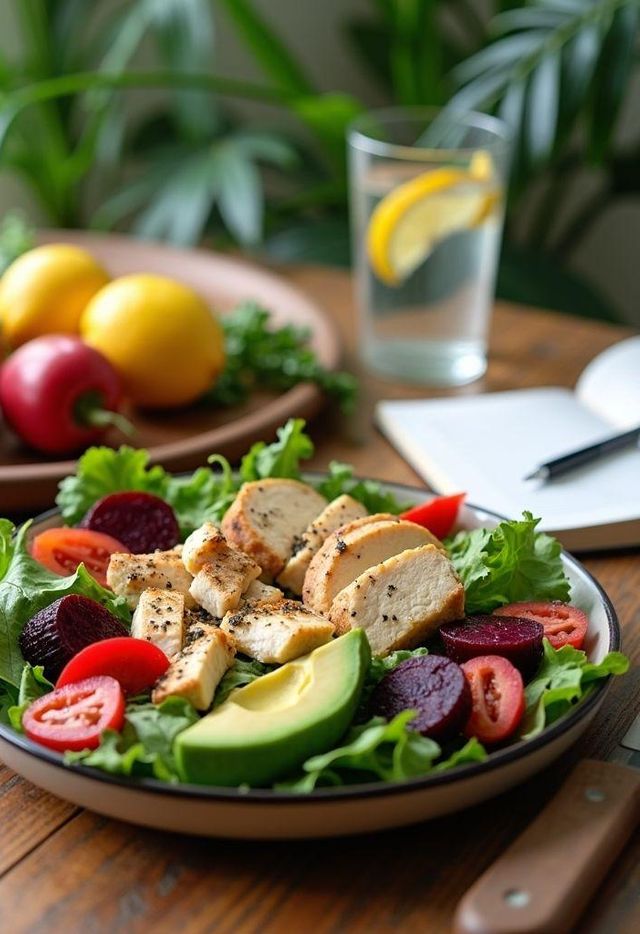
Something for daily eating is critical for the proper functioning of the body and thus for its self-cleansing. A diet that supports the body's cleansing process is based on unprocessed food. The daily menu should incorporate: at least 5 servings of vegetables and fruits, which are a rich source of water, fiber, and vitamins and compounds with antioxidant properties. Fiber strengthens the peristalsis of the intestines and removes toxins; whole grain products, which provide a high amount of dietary fiber, as well as B vitamins and minerals such as zinc and magnesium; quality meat or fish, which, however, should be consumed in moderation and is a good source of protein; low-fat dairy products, especially fermented milk beverages, which provide beneficial bacteria; cold-pressed plant oils, which contain fatty acids that support the passage of food through the intestines; at least 2 liters of water per day. An adequate amount of water is essential for cleansing processes, supports and accelerates kidney filtration. It is worth reaching for mineral-rich water and herbal teas. Avoid processed foods, sweets, excess salt, alcohol, and stimulants.
Physical activity and elimination of toxins from the body
There are numerous benefits of daily physical activity. One of them is also aiding in the elimination of toxins from the body. Physical exercise assists in the operation of muscles, including the abdominal muscles, which influences regular emptying. Furthermore, physical activity contributes to faster blood flow, which aids in the elimination of toxins from the body. Therefore, it is worth considering daily physical activity lasting from 15 to 30 minutes.
Is the process of body cleansing based on logic?
What happens in the body every day is not only self-cleansing but also maintaining its proper functioning. To achieve this, it is necessary to maintain a lifestyle that includes quitting smoking, regular exercise, and following a healthy diet such as the Mediterranean diet. The statement of Catherine Collins, a dietitian at St. George's Hospital, confirms that the best way to cleanse the body is to lead a healthy lifestyle known as detox. However, as Prof. M. Jarosz notes, healthy people who consume an adequate amount of high-quality foods and beverages cleanse themselves naturally, without any additional measures. Therefore, it is not necessary to spend extra money on popular detox diets that are advertised as cleansing.
Brief Summary
The body has built-in cleansing mechanisms, which means that no special detoxification is necessary. The best method of assisting the body's process of eliminating toxins is to follow a healthy and balanced diet, taking into account an adequate amount of fluids. In addition to nutrition, a general approach is also crucial, such as regular physical activity, sufficient sleep, and avoiding an excess of artificial chemicals.

Lena Bauer
✓Diets Premium Expert
Diets Premium team expert. Specializes in nutrition plans, strength sports, and training plans.
View Profile →