2 min read
How to Start Weight Loss – Master the Step-by-Step Method

Isabella Taylor
✓
Diets Premium Expert • 25.09.2026
✓
Scientifically reviewed by a clinical dietitian:
This article has been peer-reviewed for adherence to IŻŻ, WHO, and PTGiP clinical nutritional standards.
| Diets Premium Expert Isabella Taylor | min read 2 min | Scientifically reviewed by a clinical dietitian 25.09.2026 |

Smart Voice
•Listen to the article content live
0:00
/
0:00
Key Takeaways
When we encounter the challenge of excess weight, we always look for ready-made weight-loss programs, hoping that the individuals who created them knew what they were doing. Especially favored are those that allow us to shed pounds swiftly. Nevertheless, let us be aware that a healthy weight reduction is only 1 kilogram per week – a faster pace of slimming down can be detrimental to us.
Meal Plan
Want to apply these guidelines in your daily diet?
Our smart diet generator creates a tailored meal plan in 3 minutes based on the recommendations in this article.
Initiating sustainable weight loss: A step-by-step evidence-based approach
So-called "miracle diets" frequently bear little resemblance to either healthy or effective weight loss strategies, with some of the most widely promoted approaches potentially causing more harm than benefit. Before embarking on restrictive dietary measures, the critical first step involves making a conscious commitment to behavioral change while understanding the psychological dimensions of weight management. Emotions play a pivotal role in this process—some contribute to weight gain, while others may facilitate weight reduction, as the foundation for successful weight loss is established in the mind. Achieving sustainable weight reduction without the undesirable yo-yo effect is entirely feasible, provided one adopts the appropriate mindset from the outset. Once a healthy motivation is cultivated, it becomes essential to recognize that dietary modifications must not be temporary but rather represent a permanent transformation of eating habits, coupled with the identification of past mistakes that have hindered progress. Initiating a weight loss journey also necessitates familiarity with one’s unique physiological requirements. The food pyramid serves as a practical tool for understanding which nutrients are indispensable for optimal bodily function. Implementing a few fundamental principles of healthy eating can significantly enhance both mental well-being and physical fitness. Dietary patterns must always be tailored to individual needs—for instance, the caloric requirements of someone engaged in physically demanding labor will differ markedly from those of an office worker. A subsequent step involves calculating daily caloric needs, which enables mindful monitoring of caloric intake. However, caloric quantity alone is insufficient; equal importance must be placed on the nutritional quality and composition of consumed foods.
Calculating Caloric Requirements (BMR and TDEE) and Establishing an Optimal Energy Deficit
The cornerstone of successful, safe weight reduction is the accurate quantification of personal energy expenditure. The initial benchmark is the Basal Metabolic Rate (BMR)—the baseline calories required to sustain vital physiological functions at complete rest—most reliably computed using the Mifflin-St Jeor equation. Total Daily Energy Expenditure (TDEE) is subsequently determined by multiplying BMR by the Physical Activity Level (PAL) coefficient. A prevalent mistake among beginners is adopting severe caloric deficits (such as 1,000–1,200 kcal diets), which precipitate metabolic adaptation, lean muscle catabolism, and a surge in ghrelin, the primary orexigenic hormone. An evidence-based physiological energy deficit ranges from 300 to 500 kcal per day (approximately 15–20% below TDEE). This controlled deficit enables consistent fat loss at a sustainable rate of 0.5–1.0 kg weekly, safeguarding metabolic rate and mental well-being.
Dietary Quality and Macronutrient Distribution: The Critical Role of High-Quality Protein, Fiber, and Hydration
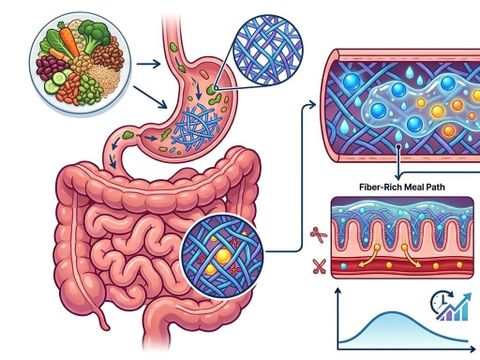
While calories govern absolute energy balance, macronutrient distribution dictates body composition preservation and satiety signaling. During caloric restriction, protein demands increase substantially—optimal targets range from 1.6 to 2.2 grams per kilogram of body weight. Dietary protein possesses the highest Thermic Effect of Food (TEF of 20–30%) and potently stimulates satiety peptides (PYY, GLP-1), preventing hunger pangs. In parallel, dietary fiber intake (at least 25–35 grams daily) sourced from vegetables, legumes, and unrefined whole grains delays gastric emptying, blunts glycemic spikes, and nourishes the gut microbiome. Optimal hydration of at least 30–35 ml per kilogram of body weight further suppresses mistranslated thirst cues, supports cellular thermogenesis, and aids metabolic clearance.
Tracking Progress, Preventing the Yo-Yo Effect, and Cultivating Sustainable Long-Term Habits
The concluding phase of evidence-based weight management involves objective metric tracking and proactive prevention of weight regain. The bathroom scale should never serve as the sole progress indicator, as day-to-day water retention fluctuations governed by sodium, carbohydrate glycogen stores, and hormonal cycles frequently mask genuine adipose tissue reduction. Progress should be tracked via anthropometric girth measurements (waist, hips), standardized progress photographs, and performance metrics. Upon reaching the target weight, implementing a reverse dieting protocol—gradually increasing caloric intake by 100–150 kcal weekly back to maintenance CPM/TDEE—normalizes thyroid hormone output and leptin signaling without fat regain, permanently dismantling the risk of the yo-yo effect.
Tags

Isabella Taylor
✓Diets Premium Expert
Diets Premium team expert. Specializes in nutrition plans, strength sports, and training plans.
View Profile →