How to Identify Genuine Extra Virgin Olive Oil and Avoid Counterfeits: A Consumer Guide

| Diets Premium Expert Olivia Davis | min read 5 min | Scientifically reviewed by a clinical dietitian 23.10.2026 |
Smart Voice
•Listen to the article content live
Extra virgin olive oil (EVOO) is the cornerstone of the Mediterranean diet, exceptionally rich in monounsaturated oleic acid and potent polyphenolic bioactives including oleocanthal, oleuropein, and hydroxytyrosol. Due to demanding agricultural and extraction economics, EVOO is among the most frequently adulterated food commodities globally. This guide details chemical and sensory markers of authenticity, free fatty acid thresholds, ultraviolet light shielding via dark glass packaging, and European origin certifications ensuring true premium grade.
Want to apply these guidelines in your daily diet?
Our smart diet generator creates a tailored meal plan in 3 minutes based on the recommendations in this article.
Commercial Olive Oil Grading: Extra Virgin, Virgin, Refined, and Pomace
Standardized by the International Olive Council (IOC) and EU regulations, olive oils are categorized into distinct commercial quality tiers:
- Extra Virgin Olive Oil (EVOO): Extracted exclusively through cold mechanical centrifugation (<27°C) within 24 hours of harvest without solvents. Free acidity, expressed as oleic acid, must not exceed 0.8 g per 100 g (0.8%). Exhibits exceptional organoleptic purity devoid of sensory defects.
- Virgin Olive Oil: Mechanically extracted with free acidity permitted up to 2.0%, often displaying minor sensory imbalances.
- Refined Olive Oil: Chemically neutralised, bleached, and deodorized low-grade oil, stripped of natural antioxidants, vitamins, and characteristic aromas.
- Olive Pomace Oil (Sansa): Chemically extracted using organic solvents (hexane) from spent olive cakes and stones, subsequently refined. Represents the lowest commercial grade.
Packaging and Photo-oxidation: Why Dark Glass and Tinplate Are Crucial
Packaging geometry and optical transmittance determine oxidative stability throughout the product's shelf-life:
- Chlorophyll Photo-oxidation: Natural chlorophyll pigments behave as potent photosensitizers under ultraviolet and ambient retail lighting, generating reactive singlet oxygen that rapidly triggers lipid peroxidation.
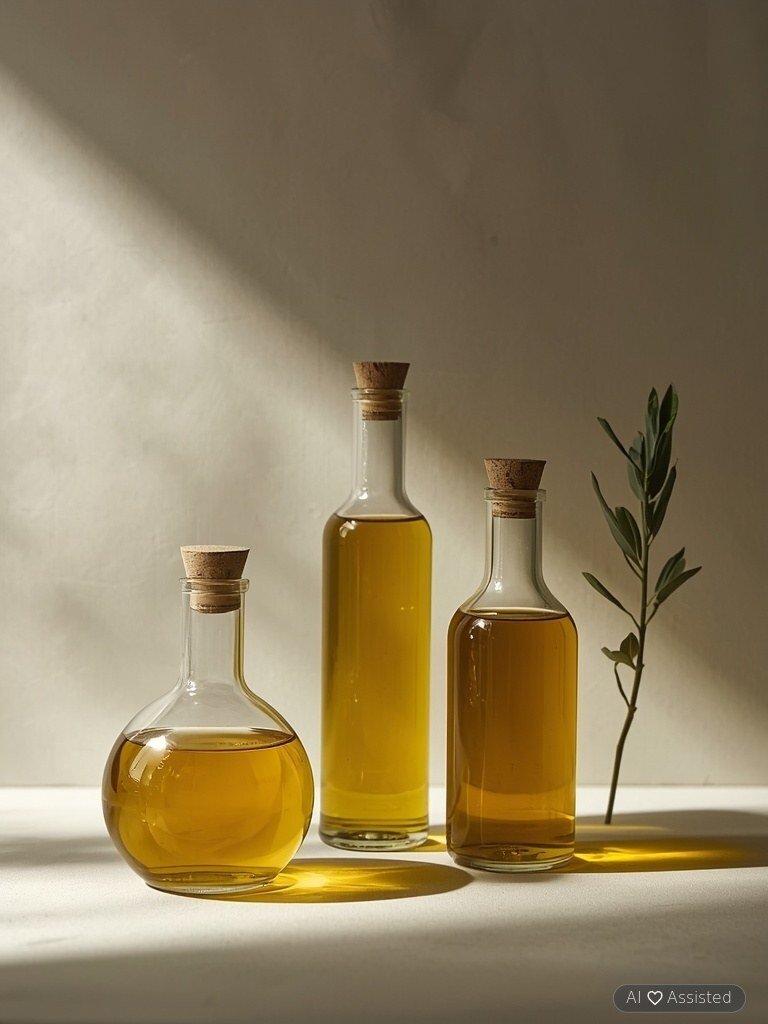
- Dark Glass Barrier: Authentic EVOO requires storage in high-extinction dark green, amber, or ultraviolet-absorbing black glass bottles, or opaque food-grade stainless steel/tinplate containers.
- Optimal Bottle Volume: Headspace oxygen degrades phenols upon unsealing. Opting for 250 to 500 ml bottles ensures rapid consumption within 4 to 8 weeks, minimizing progressive air contact.
Sensory Attributes: Bitterness, Pungency (Oleocanthal), and Turbidity
Organoleptic profiling reliably distinguishes genuine polyphenol-rich oils from oxidized or refined substitutes:
- Pungency and Bitterness: A distinct peppery sensation in the oropharynx is direct biochemical evidence of oleocanthal, a natural phenolic compound exerting anti-inflammatory cyclooxygenase (COX-1/COX-2) inhibition analogous to ibuprofen. Bitterness reflects high oleuropein density.
- Fresh Herbaceous Aromas: Premium EVOO presents vibrant aromas of freshly cut grass, green tomato vines, artichoke, and herbal leaves rather than flat greasy notes.
- Unfiltered Turbidity: Unfiltered cloudiness (olio nuovo) indicates suspended micro-droplets of vegetal water. While nutritionally intact, unfiltered oils possess a shorter shelf-life, as bottom sediment can precipitate anaerobic microbial degradation if stored past 3–6 months.
Harvest Date vs Expiration Date: Decoding the Olive Oil Label
Interpreting labeling chronologies protects against purchasing stale or degraded stocks:
- Harvest Campaign: The primary gold standard of freshness. Mediterranean harvests occur between October and January. Phenolic longevity typically peaks across the first 12 to 18 months post-milling.
- The Best-Before Trap: Best-before dates are legally pegged 18 to 24 months from the bottling date, not the harvest date. Low-tier producers may store bulk oil in silos for prolonged periods before bottling. Absence of an explicit harvest year is a notable quality warning.
- Geographical Blending: Labels noting 'Blend of EU and non-EU olive oils' designate commoditized bulk blends sourced across multiple regions to homogenize flavor at the expense of distinct varietal terroir.
Quality Seals: Protected Designation of Origin (PDO), PGI, and Organic Certification
Regulated European geographical indications provide verified traceability against food fraud:
- Protected Designation of Origin (PDO / DOP): The most rigorous EU quality tier. Every operational phase—cultivation of specific authorized cultivars, manual harvesting, cold extraction, and bottling—must take place exclusively within a delimited micro-region following strict production discipline.
- Protected Geographical Indication (PGI / IGP): Mandates that at least one defined stage of production, processing, or preparation occurs within the designated geographical boundary.
- EU Organic Certification (Euro-Leaf): Verifies strict non-use of synthetic chemical pesticides, petroleum fertilizers, and chemical ripening agents in the olive groves.
Kitchen Testing vs Laboratory Chromatography: Debunking Olive Oil Myths
Scientific scrutiny dispels popular folk methods used to evaluate olive oil purity:
- The Refrigerator Test Fallacy: Popular belief claims genuine EVOO solidifies completely in the fridge while adulterated oil remains liquid. In truth, crystallization depends on specific triacylglycerol melting points and palmitic/stearic fatty acid ratios. Single-varietal oils low in saturated fats may resist gelling, whereas oils deliberately adulterated with refined palm fractions solidify rapidly.
- The Lamp Wick Myth: Testing whether olive oil sustains a wick flame without smoke reflects wick moisture rather than fatty acid authenticity.
- Analytical Chemistry Gold Standards: Industrial dilution with refined hazelnut, seed, or high-oleic sunflower oils can solely be proven through Gas Chromatography (GC-FID/MS) examining sterol compositions (campesterol, beta-sitosterol, erythrodiol) and stigmastadiene markers.

Olivia Davis
✓Diets Premium Expert
Diets Premium team expert. Specializes in nutrition plans, strength sports, and training plans.
View Profile →