Guide to Functional Food Products

Felix Weber
✓
Diets Premium Expert • 24.03.2026
✓
Scientifically reviewed by a clinical dietitian:
This article has been peer-reviewed for adherence to IŻŻ, WHO, and PTGiP clinical nutritional standards.
| Diets Premium Expert Felix Weber | min read 8 min | Scientifically reviewed by a clinical dietitian 24.03.2026 |

Smart Voice
•Listen to the article content live
0:00
/
0:00
Key Takeaways
A growing number of scientific studies confirm that diet plays a crucial role in terms of health. Interest in products that will not only become a component of a balanced dietary plan but also decrease the likelihood of ailments is increasing. Functional food belongs to such category of products. Can they genuinely fulfill these promises?
Meal Plan
Want to apply these guidelines in your daily diet?
Our smart diet generator creates a tailored meal plan in 3 minutes based on the recommendations in this article.
PRO Content
PRO
This article is professional premium content (PRO) provided in its entirety.
General information on functional food
Functional foods are a group of natural, enriched or slightly modified foods that have a positive impact on human health. They have been shown to reduce the risk of developing diseases and improve well-being. Some of them may also be effective in the prevention of civilization diseases, which currently pose the greatest health risks. This group of products was developed in response to the increased demand for nutritious foods that help maintain the best health, as well as increase psychophysical and even physical performance. The concept of functional foods is derived mainly from the traditions of the Far East, where it is believed that there is not a big difference between medicines and food, and that proper nutrition of the body can not only maintain health, but also cure diseases. Functional foods are intended to mimic traditional foods, and their positive effect on the body should be visible after consuming a typical portion. Functional foods belong to the group of nutraceuticals, in which dietary supplements can also be found, and together they form a collection of products that complement traditional nutrition and enrich it with substances with special health-promoting properties. Functional foods can have anti-cancer effects, compensate for nutrient deficiencies, support the healing process of diseases, improve physical and mental well-being, and slow down the aging process.
Examples of functional food items
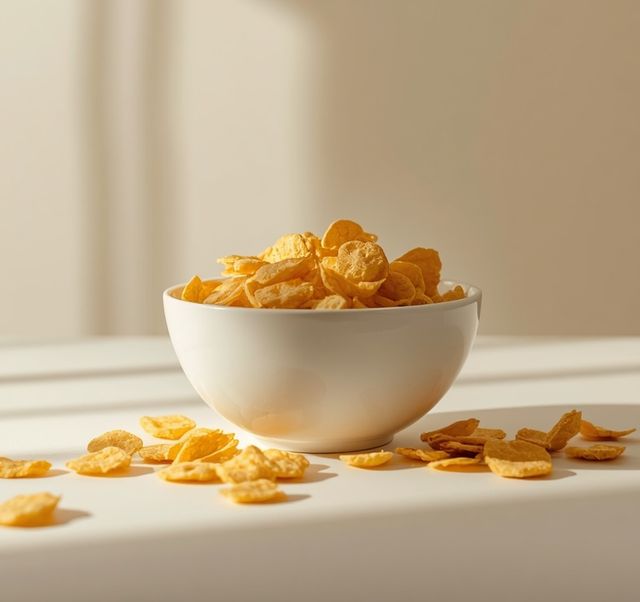
Functional food items are those that are designed to resemble traditional food products and be part of a traditional diet. Unlike dietary supplements, which are typically available in the form of tablets, capsules, or syrups, they are classic food items such as margarines, eggs, or breakfast cereals, but they are enriched with additional ingredients such as vitamins or antioxidants. This is a good solution for individuals who want to enrich their diet in simple and natural ways. Functional food items include not only natural products but also those that have been slightly modified through technological processes to have a better impact on health. Some products are intentionally enriched with additional bioactive, health-promoting substances, such as vitamins or minerals like iron, calcium, and magnesium. In other products, the amount of undesirable ingredients such as cholesterol or salt is reduced, as in the case of special margarines that are safe for the cardiovascular system. Sometimes the availability of already present health-promoting substances is increased through the addition of synergistically acting components, as in the case of vitamin-enriched juices. Functional food items mainly include products that are characterized by low cholesterol, high fiber, low calorie, low salt, increased omega-3 fatty acids, enriched with vitamins, minerals, or antioxidants.
Functional food products and their impact on health
The positive effect of functional foods is mainly related to the optimal content of bioactive compounds. Depending on their function, functional foods can be divided into: – reducing the risk of cancer (products with a high content of antioxidants), – lowering the risk of cardiovascular diseases (low-sodium and low-cholesterol products), – preventing osteoporosis (calcium- and vitamin D-fortified products), – reducing the negative impact of long-term stress (magnesium-fortified products), – for people with metabolic disorders (low-energy and high-fiber products), – for the elderly (products fortified with minerals and vitamins), – supporting athletes (products enriched with electrolytes), – positively affecting mood and well-being (products enriched with antioxidants and minerals), – intended for pregnant and breastfeeding women (products enriched with vitamins and minerals), – supporting the proper development of infants, children and adolescents (products fortified with vitamins and minerals). Some products have a multidirectional effect and can be classified in multiple categories. How to use functional foods to obtain the greatest health benefits: – high-fiber products, such as bran, can be included in the daily diet, but people on a low-fiber diet or with digestive disorders should be cautious. The optimal daily fiber intake should be between 25–35 g; – fermented dairy products – 2 servings per day will benefit the digestive system (1 serving is e.g. a glass of kefir or a cup of yogurt), but people with milk protein allergy or lactose intolerance should exercise caution. It is advisable to avoid products with added sugar; – pickled vegetables – 1 serving per day positively affects the digestive and circulatory systems, but portions should be moderate due to high sodium content. They are not recommended for people with histamine intolerance; – margarines with plant sterols or enriched with omega-3 fatty acids – can replace traditional butter to help lower LDL cholesterol. It is important to ensure they are free of industrial trans-fats; – low-fat dairy products – swapping full-fat versions for lower-fat options can reduce saturated fat and calorie intake; – foods fortified with vitamins and minerals (e.g. cereals, plant milks) – helpful for individuals at risk of specific nutritional deficiencies or on restrictive elimination diets (such as dairy-free diets requiring calcium fortification); – eggs enriched with omega-3 fatty acids – a valuable source of essential fatty acids for those with low fish intake; – low-calorie natural or artificial sweeteners (e.g. xylitol, erythritol) – suitable alternatives to sugar for blood glucose control; – isotonic drinks – effective for rapid rehydration and electrolyte replenishment after intense prolonged exercise.
Health significance of functional foods and their impact on consumer safety
Both Polish and EU law lack a clear definition of functional food, which can lead to an increased risk of misleading consumers and advertising products with a modified composition as functional foods, without scientific evidence supporting their effects. Manufacturers often use other designations, which can be confusing. Terms such as vital food, food for special purposes, physiologically active food, therapeutic-nutritional food, or food with therapeutic effect are often used. The only document that defines the term functional food in the European Union is the Consensus of the Scientific Concept of Functional Foods (FUFOSE) from 1999. This states that the term should only be used for conventional foods that contain bioactive substances with proven effects on human health. To some extent, the production and distribution of products in this category are regulated by laws and regulations regarding food and nutrition safety. However, due to the growing demand for products with specific nutritional benefits, the functional food sector is growing rapidly. Therefore, legal changes are required to protect consumers. It is worth choosing products from trusted sources and following the latest scientific findings regarding the composition of functional foods (A. Błaszczak et al. 2014). Additionally, it is important to bear in mind that even if a particular ingredient has proven health benefits, its excessive use in food products can lead to negative health consequences.
Functional foods - Is it worth incorporating them into your diet?
The term functional foods is very broad and applies to various product groups. According to the definition, they should have a documented impact on health that enhances well-being or provides protection against disease, so their use in the daily diet is likely to bring benefits. This type of product is especially recommended for people with specialized nutritional needs, such as seniors, athletes, or pregnant women. They can also be used to prevent civilizational diseases such as hypertension or obesity. In this case, they play a major role, especially in reducing the amount of fat or sugar. Some of them, due to enrichment with vitamins or minerals, can be effective in elimination diets. However, it is worth noting that there are no legal regulations for this type of food, so their use does not always guarantee an improvement in health status. It is recommended to use products with clear content and to check if a particular ingredient actually has a significant impact on health. It is also worth noting that the basis for preventing all civilizational diseases is a well-balanced and diverse diet, regular physical activity, stress relief, and proper sleep hygiene. Although functional foods can be a great addition, they will never replace the basics of a healthy lifestyle.

mgr Felix Weber
✓Diets Premium Expert
Diets Premium team expert. Specializes in nutrition plans, strength sports, and training plans.
View Profile →