CLINICAL KNOWLEDGE MAGAZINE
5 min read
Creatine – Effects, Side Effects, and Interaction with Alcohol

Kacper Nowak
✓
Diets Premium Medical Expert • 25.09.2026
✓
Scientifically reviewed by a clinical dietitian:
This article has been peer-reviewed for adherence to IŻŻ, WHO, and PTGiP clinical nutritional standards.
| CLINICAL KNOWLEDGE MAGAZINE CLINICAL KNOWLEDGE MAGAZINE | min read 5 min |
| Diets Premium Medical Expert Kacper Nowak | Scientifically reviewed by a clinical dietitian 25.09.2026 |

Smart Voice
•Listen to the article content live
0:00
/
0:00
Key Takeaways
Undeniably, creatine constitutes one of the most meticulously studied and safest supplements designed for athletes. Numerous scientific studies corroborate its advantageous impact on physical exertion and the process of body shaping. Creatine exhibits anabolic, anticatabolic, and erogenic potentials, hence it is frequently utilized in various sports disciplines, both at an amateur and professional level. This substance possesses a range of intriguing properties that merit thorough examination.
Meal Plan
Want to apply these guidelines in your daily diet?
Our smart diet generator creates a tailored meal plan in 3 minutes based on the recommendations in this article.
Creatine monohydrate – a fundamental bioenergetic compound for muscular and neural cellular function
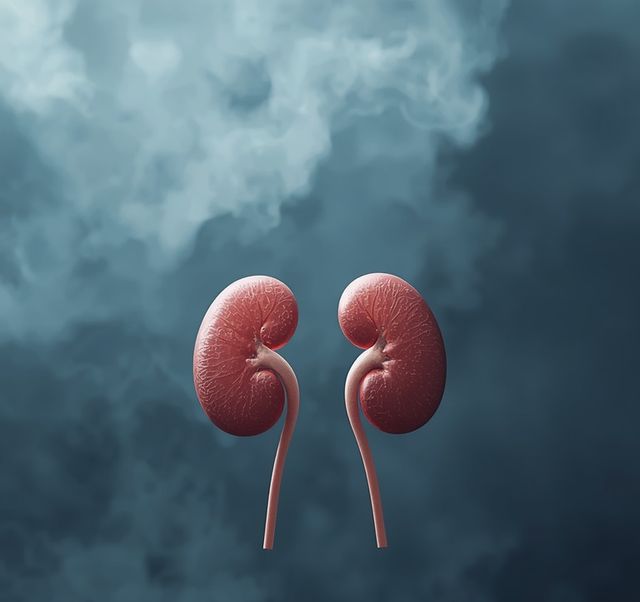
β-Methylguanidinoacetic acid, commonly referred to as creatine, constitutes an organic chemical compound of paramount importance for the proper execution of numerous metabolic processes within the human body. It is naturally present in human tissues, with predominant concentrations observed in skeletal muscle fibers, cardiac muscle tissue, neural cells of the brain, and testicular cells. As an endogenous substance, creatine is internally synthesized by the organism from amino acid precursors—specifically l-arginine, glycine, and methionine—with the primary sites of production located in renal and hepatic tissues. Following biosynthesis, creatine is circulated via the bloodstream to target sites, including muscle tissue, where its cellular uptake may be further enhanced by insulin—a peptide hormone whose secretion increases in response to elevated levels of glucose and select amino acids in the blood plasma.
Mechanisms and benefits of creatine supplementation in the context of exercise physiology and muscular adaptation
The fundamental physiological role of creatine within the human body is the regeneration of adenosine triphosphate (ATP) — the primary high-energy compound that serves as the essential energy currency for cellular processes, particularly during periods of high-intensity physical exertion. Beyond its role in ATP resynthesis, creatine exhibits osmotically active properties that promote intracellular water retention within muscle cells (a phenomenon known as *cell volumization*), which in turn stimulates anabolic signaling pathways and may facilitate enhanced glycogen storage in muscle tissue. Elevated muscle glycogen reserves play a pivotal role in modulating enzymatic activity, particularly among enzymes involved in the biosynthesis of mitochondrial proteins — organelles responsible for cellular energy production via oxidative phosphorylation. Given that mitochondria function as the "powerhouses" of the cell, their quantity, structural integrity, and metabolic efficiency directly influence physical performance metrics, post-exercise recovery capacity, and skeletal muscle hypertrophy. Extensive scientific evidence confirms that maintaining elevated intramuscular creatine concentrations contributes to improvements in exercise-related parameters — including strength, power output, and endurance — while simultaneously supporting increases in lean body mass and accelerating recovery processes. Notably, creatine stands out as one of the few dietary supplements whose efficacy and safety profile have been rigorously validated through multiple high-quality clinical trials, establishing it as one of the most well-substantiated and reliable ergogenic aids available for athletic performance enhancement.
Scientifically validated effects of creatine: Evidence-based benefits for resistance training, muscle recovery, and performance enhancement
A substantial body of peer-reviewed scientific literature, grounded in rigorous experimental research, conclusively demonstrates that systematic supplementation with creatine monohydrate—when administered at optimal dosages and combined with structured resistance training—can yield measurable physiological adaptations. Among the most clinically relevant outcomes are: **a pronounced increase in lean body mass** driven by enhanced muscle protein synthesis, **improved overall physical performance** via augmented cellular energy capacity, **accelerated post-exercise recovery dynamics** following high-intensity exertion, **heightened muscular contraction efficiency** during repetitive loading, **rapid augmentation of maximal muscle strength** within short timeframes, and **optimized adenosine triphosphate (ATP) resynthesis**, facilitating expedited replenishment of energy reserves. Creatine exhibits a **triple-mode biological action**: **anabolic** (promoting skeletal muscle accretion), **ergogenic** (enhancing performance metrics), and **anti-catabolic** (mitigating protein degradation under metabolic stress conditions). Furthermore, strategic timing of supplementation—both **prior to physical activity** (to saturate phosphocreatine stores) and **immediately post-exercise** (to capitalize on elevated cell membrane permeability)—maximizes training-induced adaptations. It is critical to emphasize that the benefits of creatine supplementation extend beyond the hypertrophy phase; this compound plays a pivotal role during **fat loss protocols** by preserving muscle mass and attenuating performance declines under caloric restriction.
Creatine: Adverse effects and usage limitations based on clinical research findings
A substantial body of controlled scientific research consistently demonstrates that creatine supplementation is widely regarded as safe for human consumption. Comprehensive meta-analyses indicate that prolonged administration of this compound—even over multiple years—in individuals without pre-existing chronic conditions does not induce clinically significant adverse effects, with the caveat that the majority of conducted trials were based on daily dosages not exceeding 10 grams. The sole absolute contraindications for the use of creatine-containing supplements remain pre-diagnosed impairments of organs such as the kidneys, liver, or pancreas. An often-overlooked yet critical consideration is the pharmaceutical purity and quality of the raw material—within this context, creatine monohydrate is recognized as the most extensively studied and likely the most efficacious form of this compound.
The interplay between creatine supplementation and alcohol consumption: Evidence-based insights and common misconceptions
Before examining the relationship between creatine supplementation and alcohol consumption, it is essential to establish a foundational principle: alcoholic beverages should be regarded as an occasional indulgence, consumed in strictly moderate quantities. Systematic overconsumption of ethanol carries not only detrimental consequences for physical aesthetics but, more critically, poses a substantial threat to overall physiological integrity. Prolonged, excessive alcohol intake has been scientifically linked to a cascade of adverse biochemical and structural alterations within muscle tissue—ranging from cellular edema and enzymatic dysfunction to degenerative mitochondrial damage. Within public discourse, several unfounded claims persist, most notably the pervasive myth that alcohol "coagulates" or "denatures" muscle proteins. Were ethanol genuinely capable of such proteolytic destruction, even minimal doses would induce fatal catabolic effects. Another widely circulated misconception posits that alcohol leaches creatine from muscle fibers. However, the current body of scientific evidence fails to provide any credible support for such an interaction. What remains empirically established is that ethanol disrupts water-electrolyte homeostasis, thereby exacerbating pathological dehydration. In this context, creatine may serve a protective function by mitigating the adverse effects of fluid loss—a phenomenon substantiated in controlled studies involving athletes subjected to high-intensity training under elevated ambient temperatures. It is crucial to emphasize that these observations apply exclusively to moderate alcohol consumption; for instance, a single glass of wine with dinner or an occasional beer will exert neither a significant negative impact on general health nor impair athletic performance, irrespective of whether an individual supplements with creatine. Regardless of one’s supplementation regimen, episodic and controlled alcohol intake will neither undermine training adaptations nor compromise hard-earned muscle mass. A thorough review of the available scientific literature consistently demonstrates that creatine—when administered appropriately in healthy individuals—is not associated with adverse side effects. Owing to its well-documented anabolic, ergogenic, and anticatabolic properties, creatine represents a safe and effective adjunct for physically active persons, optimizing training-induced adaptations. Nevertheless, it must be acknowledged that creatine supplementation—even when adhering rigorously to dosing protocols—cannot substitute for a balanced diet, which remains the cornerstone for achieving desired outcomes in muscle development and physical performance.
Tags
Kacper Nowak
Diets Premium Medical Expert
Member of the Diets Premium clinical editorial board. Specializes in medical diet therapy, metabolic health, and nutritional planning.
View Profile →