Coconut kernel oil: adipose tissue reduction effects and culinary applications

| CLINICAL KNOWLEDGE MAGAZINE CLINICAL KNOWLEDGE MAGAZINE | min read 6 min |
| Diets Premium Medical Expert Lena Bauer | Scientifically reviewed by a clinical dietitian 23.10.2026 |
Smart Voice
•Listen to the article content live
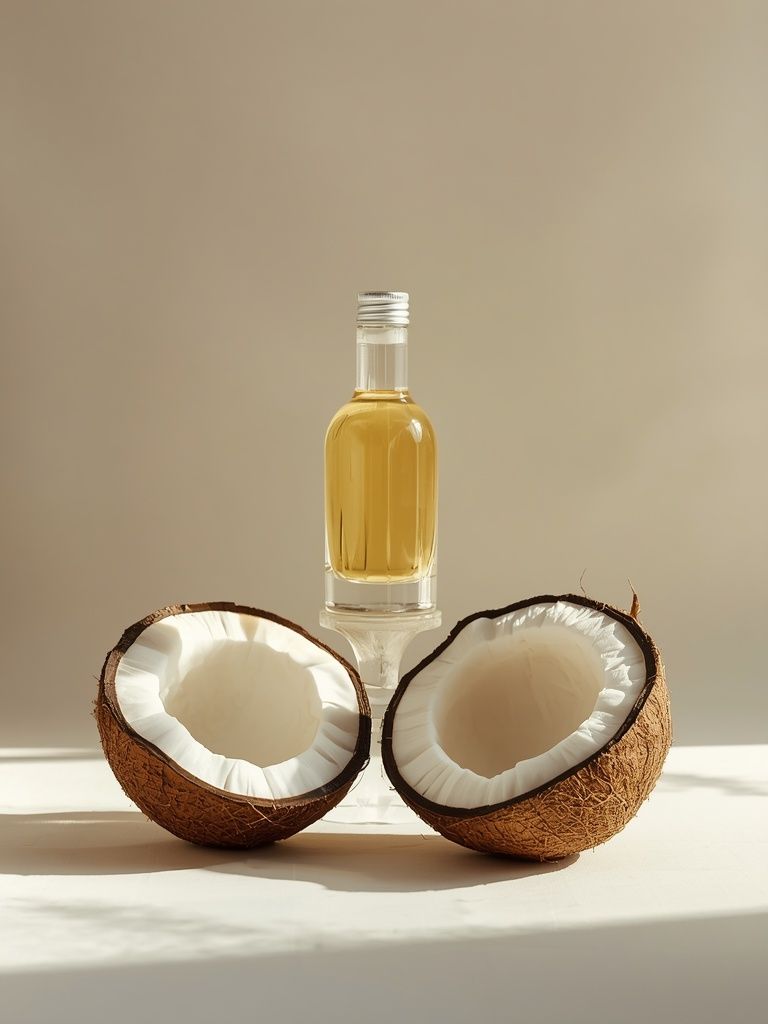
The oil extracted from the kernel of the coconut fruit—produced by the coconut palm (Cocos nucifera)—is a staple of equatorial and subtropical regions. Owing to their remarkable durability and resistance to mechanical damage during transit, coconuts reach European markets in intact condition. Prior to purchase, a straightforward quality assessment is advisable: gently shaking the fruit allows one to verify the presence of liquid endosperm, commonly referred to as coconut water. The absence of this fluid indicates desiccation of the kernel and loss of freshness, rendering the nut unsuitable for consumption.
Want to apply these guidelines in your daily diet?
Our smart diet generator creates a tailored meal plan in 3 minutes based on the recommendations in this article.
This article is professional premium content (PRO) provided in its entirety.
Coconut oil – types and extraction methods
The dried kernel of the coconut, historically referred to as copra, comprises up to 65–70% lipid content. Depending on the processing methodology, two primary categories are distinguished: unrefined (cold-pressed virgin oil) and refined coconut oil.
Virgin coconut oil is extracted mechanically from fresh kernel meat without high heat or chemical solvent treatment, retaining its natural coconut aroma and protective antioxidants. Below approximately 24°C (75°F), it remains a solid white fat, melting into a clear liquid upon gentle warming. Refined coconut oil undergoes thermal neutralization, bleaching, and deodorization; while this process strips away its distinctive scent, it provides a neutral flavor profile and an elevated smoke point.
Biochemical properties and lauric acid
The predominant fatty acid constituent of coconut oil is lauric acid (C12:0), which accounts for roughly 48–50% of total lipid content. Within the human body, lauric acid is enzymatically converted into monolaurin, a biologically active monoglyceride with well-documented antimicrobial, antibacterial, and antiviral actions.
Monolaurin disrupts the lipid bilayer membranes of susceptible microorganisms, including various Gram-positive bacteria and yeast species such as Candida albicans. Topically applied, coconut oil acts as an effective emollient, aiding epidermal repair, soothing cutaneous irritation, and markedly reducing transepidermal water loss (TEWL).
Coconut oil versus MCT oil – key differences
Although coconut oil serves as the primary feedstock for commercial MCT oil, the two products differ substantially in their chemical composition and metabolic fate. Purified MCT oil consists almost exclusively of caprylic acid (C8, roughly 50–70%) and capric acid (C10, roughly 30–50%), which are rapidly routed via the portal vein directly to the liver for immediate ketone production.
In contrast, standard virgin coconut oil is dominated by lauric acid (C12). Despite possessing a medium carbon chain, lauric acid is metabolically processed in part like long-chain fatty acids through intestinal lymphatic absorption via chylomicrons. Consequently, whole coconut oil provides sustained energy and exceptional culinary versatility, whereas isolated MCT oil functions primarily as an odorless ketogenic sports supplement.
Impact on metabolism and weight management
Medium-chain fatty acids present in coconut oil induce a higher rate of diet-induced thermogenesis compared to conventional long-chain triglycerides. Clinical investigations demonstrate that substituting long-chain lipids with medium-chain fats enhances postprandial satiety and facilitates caloric control during weight management regimens.
Nonetheless, coconut oil remains an energy-dense foodstuff supplying approximately 860–884 kcal per 100 grams. For individuals seeking fat loss, it must be utilized as a substitute for existing dietary fats rather than an additive caloric burden.
Culinary use and thermal stability
Owing to its predominantly saturated fatty acid matrix, coconut oil exhibits outstanding oxidative stability and resistance to rancidity. Virgin coconut oil complements Asian curries, stir-fries, pumpkin soups, oatmeal bowls, and plant-based baking, imparting a pleasant, mild coconut note.
For moderate-heat cooking and baking, it provides a chemically stable cooking fat. It should be stored at room temperature in a tightly sealed container away from direct sunlight.
Tags
Lena Bauer
Diets Premium Medical Expert
Member of the Diets Premium clinical editorial board. Specializes in medical diet therapy, metabolic health, and nutritional planning.
View Profile →