Cinnamon Bark from Ceylon or China - The Optimal Selection

Julia Wójcik
✓
Diets Premium Expert • 17.03.2026
✓
Scientifically reviewed by a clinical dietitian:
This article has been peer-reviewed for adherence to IŻŻ, WHO, and PTGiP clinical nutritional standards.
| Diets Premium Expert Julia Wójcik | min read 6 min | Scientifically reviewed by a clinical dietitian 17.03.2026 |

Smart Voice
•Listen to the article content live
0:00
/
0:00
Key Takeaways
Cinnamon is one of the most popular spices worldwide, with a widely recognized flavor and aroma. It is a component of some mixtures, such as curry spices and gingerbread spices. It is derived from various ingredients that can have different health effects. Therefore, it is important to understand the criteria that should be considered when purchasing and which cinnamon is best to use in the kitchen.
Meal Plan
Want to apply these guidelines in your daily diet?
Our smart diet generator creates a tailored meal plan in 3 minutes based on the recommendations in this article.
PRO Content
PRO
This article is professional premium content (PRO) provided in its entirety.
Origin and creation of cinnamon
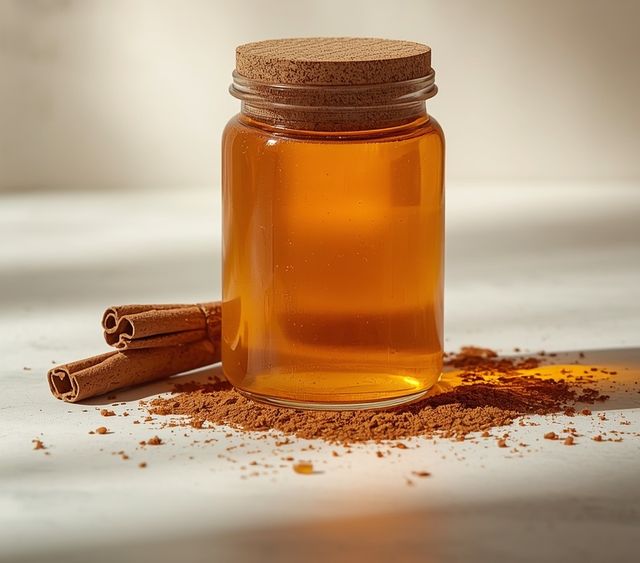
Cinnamon was already esteemed in ancient times, especially in India, Burma, Sri Lanka, and Africa. In traditional medicine, it was used as a medicinal product, while in cooking it was an ingredient imparting distinctive flavors to many dishes. It was also used in perfuming and oil production, while in Egypt it was used as a cremation ointment. Developing transport and trade made it also appreciated in Europe. Cinnamon is the dried bark of the cinnamon tree. For practicality, it is most commonly available in powder form, although whole sticks can also be purchased. The raw material for the creation of the spice is harvested twice to three times a year, during the rainy season. After removing the bark, it is subjected to a short fermentation, after which impurities are removed. During the drying process, the bark rolls up in a characteristic way, and the final step is grinding it into a powder. Moreover, valuable cinnamon oil is also extracted from the bark.
Varieties of cinnamon tree
Cinnamon trees form a group of around 250 plants belonging to the Lauraceae family. They originally occur only in certain regions of Asia but are now cultivated throughout the subtropical climate zone. These trees are large, can reach up to 30 m in height, and usually have broad crowns. Their leaves are evergreen, shiny, and oval-shaped. During flowering, they produce small white and yellow flowers, from which they then develop into berries. The most popular varieties include the Ceylon cinnamon tree (Cinnamomum verum/zeylanicum), Chinese cinnamon tree (Cinnamomum cassia/aromaticum), Vietnamese cinnamon tree (Cinnamomum loureiroi), Indonesian cinnamon tree (Cinnamomum insersi), Camphor cinnamon tree (Cinnamomum camphora), and Indian cinnamon tree (Cinnamomum tamala). As a spice, cinnamon is most commonly obtained from two varieties: Ceylon cinnamon or Chinese cinnamon. It is worth mentioning that camphor cinnamon was once used as a raw material for the production of camphor, a natural substance used to relieve muscle and joint pain as well as the symptoms of colds. Today, camphor is synthesized chemically. Some cinnamon tree varieties are also grown as ornamental plants, and valuable wood is obtained from them. Ceylon cinnamon is referred to as true cinnamon, while other names for Chinese cinnamon are aromatic, fragrant, or cassia.
Comparison of Ceylon cinnamon with Chinese cinnamon
The main health-related difference is the chemical composition, specifically the content of coumarin present in cinnamon. While these compounds may have a positive effect on the body in small concentrations, they can be harmful in large quantities, particularly to the liver. Additionally, due to their anticoagulant properties, they may increase the risk of miscarriage. Therefore, it is important to pay attention to the percentage of these substances when selecting cinnamon. True cinnamon contains only trace amounts of coumarin, about 0.004%. Cassia cinnamon, on the other hand, contains about 1% coumarin, which is 250 times more. Excessive consumption of Cassia cinnamon can therefore be harmful. Both types of cinnamon also differ in appearance and taste.
Beneficial health attributes
Ceylon cinnamon is the subject of significant interest among scholars. There is a wide range of studies that confirm its beneficial effects on health (Y. Shen et al. 2012; P. Ranasinghe et al., 2013). The presence of bioactive substances, in particular phenolic acids (e.g. cinnamonic, coffee, gallic, hydroxybenzoic, ferulic acids), plays a significant role in its strong antioxidant and anti-inflammatory properties. Therefore, it may also contribute to the reduction of symptoms associated with rheumatoid inflammation (F. Shisheh and P. P. 2013).
Utilization of cinnamon root in diverse fields
Cinnamon is typically used as a flavoring in confections - it is an ingredient in milk-based desserts, baked goods, cookies, ice cream, fruit products. It pairs exceptionally well with baked apples. In recent years, cinnamon has also become increasingly popular for flavoring vegetable and meat dishes. It is often added to coffee, teas, warm beverages, and wine. In the kitchen, cinnamon oil can also be obtained from the bark. Due to its health properties, the extract from the cinnamon tree is used in the production of preparations that support digestive processes and help with local muscle pain. Cinnamon oil, with its antifungal and antibacterial properties, can help fight infections, colds, and respiratory ailments (in the form of inhalations). Cinnamon is also used in cosmetics, where it is a component of creams, balms, and peels with rejuvenating, anti-cellulite, and firming properties. Cinnamon is sometimes added to dental floss, toothpaste, and chewing gum as it freshens breath and prevents tooth decay.
Summary
Cinnamon offers a multitude of health benefits, making it a valuable ingredient in cooking. To benefit from its positive effects, one must carefully select the type of raw material and its country of origin. Although it will be more expensive, Sri Lankan Ceylon cinnamon is undoubtedly the best choice - it is this variety that is appreciated for its flavor characteristics and proven health advantages.

Julia Wójcik
✓Diets Premium Expert
Diets Premium team expert. Specializes in nutrition plans, strength sports, and training plans.
View Profile →