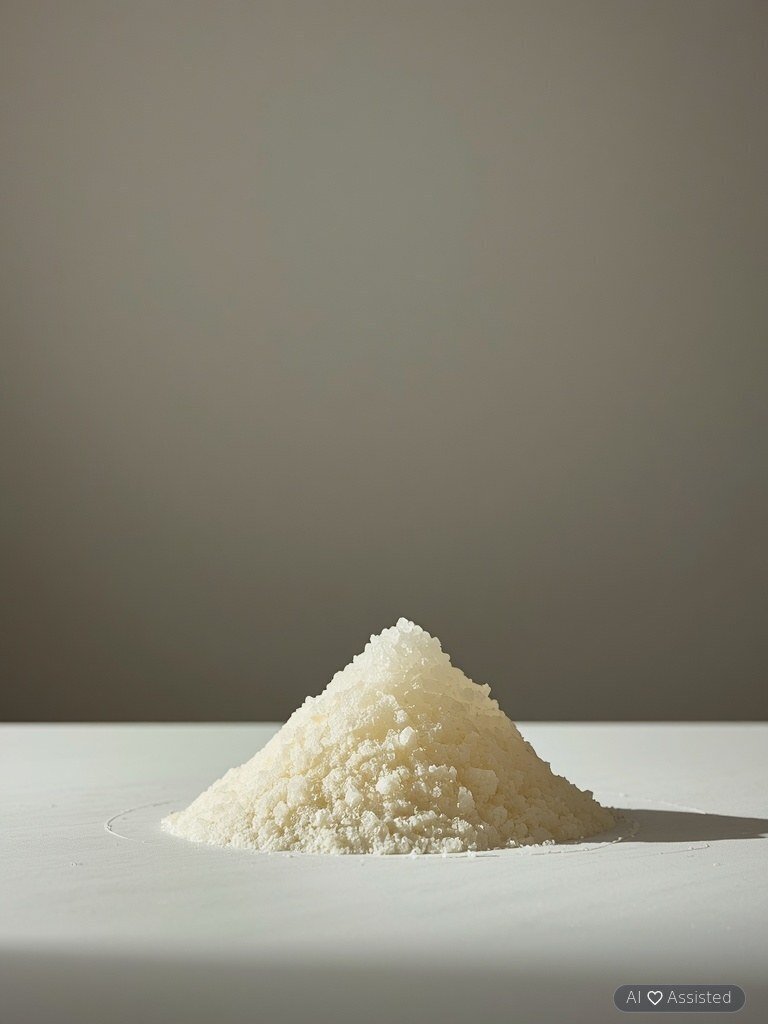
A comprehensive examination of carrageenan: composition, origin, and physicochemical properties
Carrageenan constitutes a naturally derived polysaccharide extracted predominantly from red marine algae, including species such as *Chondrus crispus* (commonly referred to as Irish moss), *Gigartina radula*, and *Eucheuma denticulatum* alongside *Eucheuma spinosum*. From a biochemical standpoint, it represents a class of complex carbohydrates—specifically sulfated galactans—whose molecular architecture is founded upon repeating units of D-galactose and 3,6-anhydro-D-galactose, interconnected via β-1,3- and α-1,4-glycosidic linkages. Its functional behavior is profoundly influenced by the degree of sulfation, molecular weight distribution, and environmental parameters (including temperature, pH levels, and the presence of metallic ions), thereby enabling it to manifest as either thermoreversible gels with adjustable rheological properties or as viscous colloidal dispersions. These distinctive attributes render it an indispensable ingredient within the food industry, where it serves as a gelling agent, stabilizer, and emulsifier (reference: JECFA Monograph, 2014, updated 2021).
Functional applications of carrageenan in the food industry: properties, mechanisms of action, and technological benefits
Carrageenan, a natural hydrocolloid derived from red seaweed, demonstrates an exceptionally broad range of applications in food technology owing to its distinctive physicochemical properties. Within the dairy sector, this polysaccharide plays a pivotal role in modifying product rheology, ensuring a stable, creamy consistency in processed cheeses while effectively preventing syneresis in milk-based desserts and yogurts. Its capacity to form weak, thermoreversible gels makes carrageenan an highly efficient stabilizer in ice cream production, substantially reducing ice crystal recrystallization during storage—thereby maintaining a uniform, velvety texture throughout the product’s shelf life. In baking applications, carrageenan exhibits synergistic interactions with other hydrocolloids such as karaya gum, extending the freshness of baked goods through controlled water binding, which delays starch retrogradation and preserves bread softness over prolonged periods. In meat processing, this ingredient enhances water retention within muscle tissue, significantly reducing cellular fluid loss during thermal treatment and storage, thereby improving both sensory attributes (juiciness, texture) and microbiological shelf stability of finished products. An additional advantage lies in its ability to partially replace fat in meat emulsions without compromising organoleptic acceptability—a feature that aligns with contemporary trends toward calorie reduction in food formulations (as evidenced by research conducted by Udo et al., 2023, published in the "Journal of Food Hydrocolloids").
The pharmaceutical sector: utilization of carrageenan in medicinal formulations
Owing to its distinctive rheological properties, carrageenan—a substance distinguished by its elevated viscosity—serves as an indispensable component in the development of pharmaceutical formulations that demand precisely controlled textural characteristics while maintaining ease of administration. Its versatility enables integration across a spectrum of dosage forms, including:
– **oral preparations such as capsules and tablets** (where it functions as a structural stabilizer for capsule shells, facilitates swallowing, and prevents phase separation of active ingredients),
– **topical formulations like ointments and creams** (enhancing spreadability and skin adhesion),
– **liquid medicinal products, including syrups and suspensions** (ensuring uniform consistency throughout shelf life).
Research conducted by Pacheco-Quito et al. (2020) corroborates its efficacy in preserving the physicochemical stability of finished pharmaceutical products.
The cosmetics sector: applications of carrageenan in skincare and hygiene formulations
Owing to its exceptional capacity for binding water molecules, carrageenan serves as a pivotal bioactive component in formulations designed for deep hydration and epidermal repair. Its multifunctional technological and physiological properties are leveraged across a comprehensive range of products, including:
• **hair-cleansing and conditioning preparations** (such as shampoos and conditioners, where it acts as an emulsion stabilizer to prevent phase separation of ingredients),
• **oral hygiene formulations** (e.g., toothpastes, in which it functions as a natural thickening agent to enhance texture and facilitate uniform distribution across tooth surfaces),
• **moisturizing creams and gels** (ensuring prolonged maintenance of optimal skin hydration levels),
• **diverse body care items**, such as regenerative balms, antiperspirants, or shower gels—findings corroborated by research conducted by L. López-Hortas et al. in 2021.
Carrageenan’s impact on human health: Current evidence and safety guidelines
Leading global food safety regulatory bodies, including the European Food Safety Authority (EFSA) and the United States Food and Drug Administration (FDA), unanimously affirm that carrageenan—a naturally occurring polysaccharide derived from red seaweed—may be safely consumed by humans provided that intake remains within the established maximum thresholds. The current *Acceptable Daily Intake* (ADI) value for this additive stands at 75 milligrams per kilogram of body weight, a figure grounded in extensive toxicological assessments demonstrating that, at these concentrations, carrageenan poses no demonstrable risk to human health. Nonetheless, as emphasized by researchers such as the team led by Y. Maged in their 2018 publication, ongoing long-term clinical investigations remain essential to fully elucidate potential cumulative effects as well as the substance’s impact on particularly susceptible populations, including children and individuals with chronic gastrointestinal conditions.
The impact of carrageenan on gastrointestinal function and potential health implications
Carrageenan—designated as the food additive E407—exerts a multifaceted influence on gastrointestinal function, with its effects contingent upon both the quantity ingested and the individual’s physiological responsiveness. Excessive consumption of this algal-derived polysaccharide has been correlated with a spectrum of digestive disturbances, including elevated intra-abdominal gas accumulation, painful abdominal cramping, a persistent sensation of gastric distension, and chronic bloating. Individuals with heightened gastrointestinal sensitivity may experience additional complications, such as mucosal irritation within the intestinal tract or exacerbated inflammatory responses along the gut lining, particularly under conditions of prolonged or high-level exposure. Furthermore, emerging scientific evidence—including findings published by P. Komisarska and colleagues in 2024—suggests that carrageenan may amplify symptoms associated with chronic inflammatory bowel diseases, notably Crohn’s disease and ulcerative colitis. While the precise mechanisms remain under investigation, certain hypotheses propose that this compound could disrupt the delicate balance of the gut microbiota, potentially fostering dysbiosis over time and contributing to a range of associated metabolic and immunological disorders, as indicated by research conducted by F. Liu’s team in 2021.
Possible carcinogenic properties of carrageenan and current scientific consensus
For an extended period, carrageenan has been subject to scrutiny by researchers owing to reports suggesting its potential role in tumor development, as initially documented in preclinical animal model studies. It is crucial to emphasize, however, that these investigations employed excessively high concentrations of degraded carrageenan—referred to as polygeenan—a compound explicitly prohibited from use in food production due to safety concerns. Subsequent, more rigorous analyses, including population-based epidemiological research conducted on human subjects, have conclusively demonstrated that carrageenan, when utilized within regulatory limits as a food additive, does not exhibit oncogenic properties (Kulczyński, 2023; contemporary meta-analyses corroborate these findings).
Carrageenan and hypersensitivity reactions: risk assessment and clinical symptom analysis
Carrageenan, a naturally derived marine hydrocolloid widely employed as a food additive, may in isolated instances trigger allergic or pseudoallergic responses. The most frequently reported clinical manifestations include cutaneous erythema, persistent pruritus, urticarial eruptions, and respiratory disturbances such as chronic coughing or dyspneic episodes. In exceptionally rare cases, symptoms suggestive of anaphylactoid reactions may emerge—including angioedema of the face or pharyngeal region, or acute ventilatory compromise—primarily among individuals with congenital hypersensitivity predispositions (Kular et al., 2018). While carrageenan-containing formulations are deemed safe for general consumption, patients with a documented history of allergies (particularly to shellfish) should vigilantly observe for post-ingestion reactions and seek evaluation from an allergist or clinical immunologist if concerning symptoms arise.
The impact of carrageenan on systemic glucose regulation
Emerging scientific evidence suggests that carrageenan—a widely utilized food additive—may exert detrimental effects on glucose metabolic pathways, thereby potentially contributing to the development of metabolic dysfunctions, including insulin resistance and type 2 diabetes mellitus. This phenomenon appears to be mediated through the upregulation of galectin-3, a protein implicated in the disruption of insulin signaling cascades and the attenuation of cellular glucose uptake. Experimental removal of carrageenan from dietary regimens in research models resulted in a marked reduction in galectin-3 levels alongside substantial improvements in glucose metabolic indices, as documented in the 2018 studies by Tobacman, Bhattacharyya, and Feferman. Nevertheless, additional large-scale clinical investigations remain essential to definitively validate these associations and ascertain their practical implications for medical and nutritional interventions.
Official assessments and recommendations from public health bodies regarding the use of carrageenan as a food additive
Diverse public health institutions present varying perspectives on the safety of carrageenan, stemming from differing interpretations of available scientific research, toxicological assessments, and evaluations of potential health risks to consumers. Their positions evolve as new empirical evidence and meta-analyses emerge, leading to updates in guidelines concerning permissible intake levels and potential restrictions on the use of this hydrocolloid in the food industry.
European Authority for Food Safety
The European Food Safety Authority (EFSA) concluded that the food additive denoted by the code E407—carrageenan—can be safely employed in foodstuffs formulated for the general population across most demographic brackets. Nonetheless, regulatory authorities highlighted the necessity for continued, in-depth scientific evaluations concerning potential physiological outcomes of its ingestion by neonates under sixteen weeks of age. Within this toxicological review, EFSA scientific panels noted critical data deficiencies in existing empirical documentation regarding infant gastrointestinal physiology. Consequently, in 2018, EFSA released an official call for data directed at manufacturers, academic research centers, and food supply stakeholders to supply updated, rigorous toxicological evidence facilitating refinement of existing consumer safety parameters (source: EFSA, 2018 Report).
Concurrently, the Joint FAO/WHO Expert Committee on Food Additives (JECFA), operating under the auspices of the United Nations Food and Agriculture Organization and the World Health Organization, reaffirmed that carrageenan poses no systemic health risks to consumers under established food processing standards. In its comprehensive 2014 re-evaluation, the Committee assigned an Acceptable Daily Intake (ADI) of "not specified" for the adult population, signifying that under contemporary regulatory thresholds, dietary exposure does not present toxicological hazard to adult health (data: JECFA, 2014).
The United States Food and Drug Regulatory Authority
The agency designates carrageenan as a Generally Recognized as Safe (GRAS) additive within the food industry. Nonetheless, scientific publications have raised concerns regarding potential adverse effects, including associations with inflammatory processes in the gastrointestinal tract, which remain under continuous surveillance by the agency. According to official positions, the current body of evidence does not warrant regulatory action to remove this substance from circulation; however, the authority does not dismiss ongoing debates about its possible detrimental impact on human health, citing the most recent analyses from 2024 (source: FDA Annual Report, 2024).